TAL I KANN DESIGN

November – February 2020

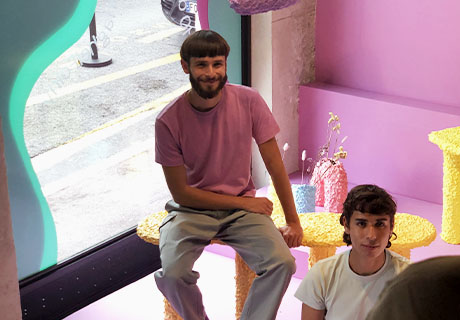
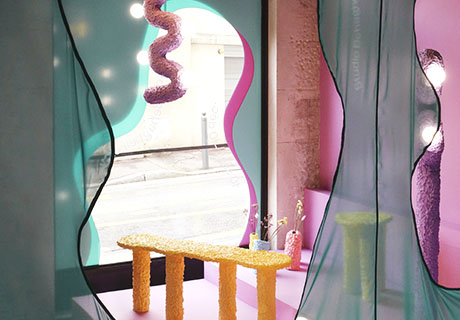
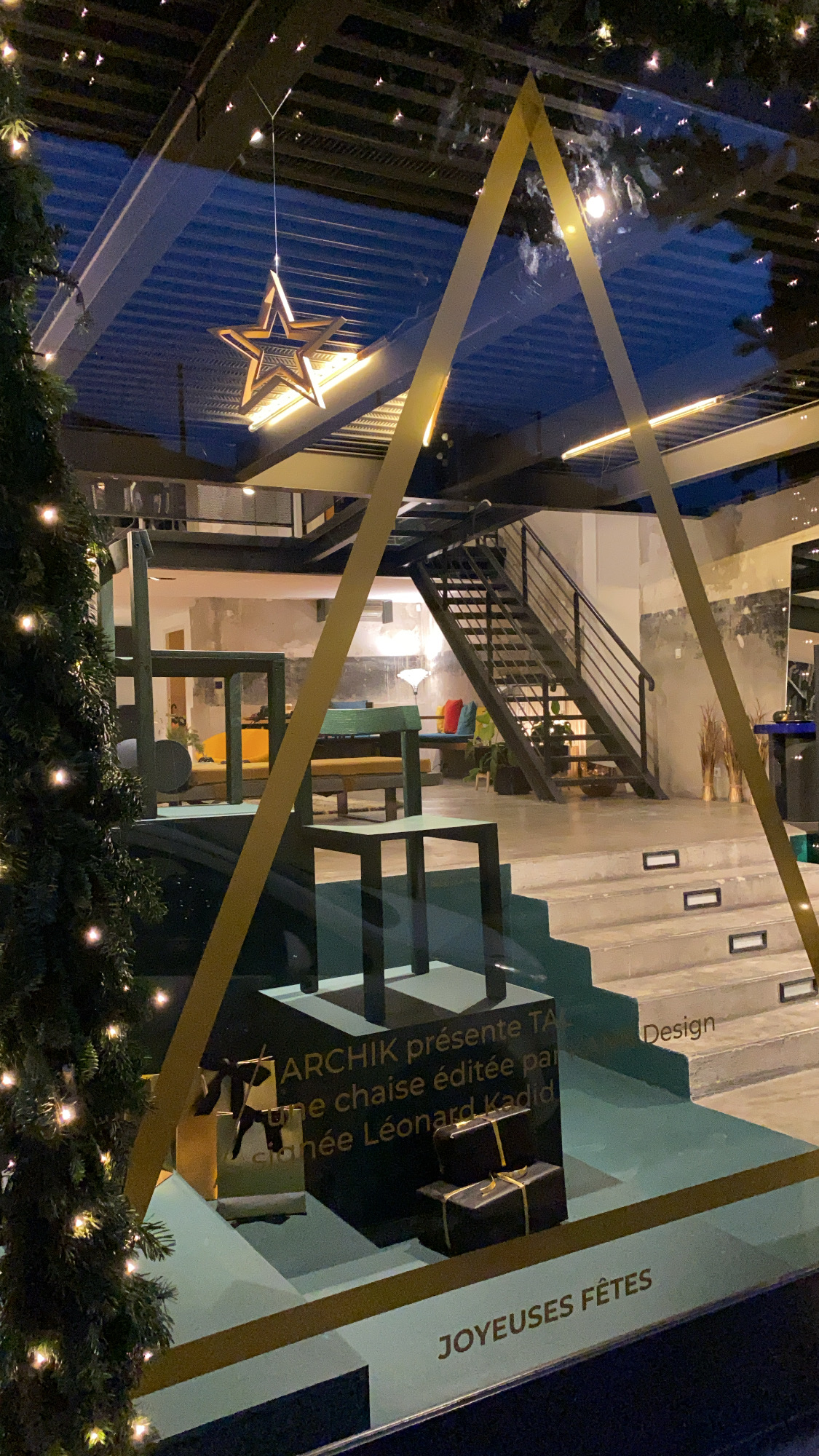
Kann Design invests our Marseilles showcase with its TAL chair signed by Leonard Kadid which is enthroned in our holiday scenography.
Leonard Kadid is an architect and product designer based in Paris. From object to architecture, his studio’s work focuses on structural and material experimentation to explore the intrinsic characteristics of materials.

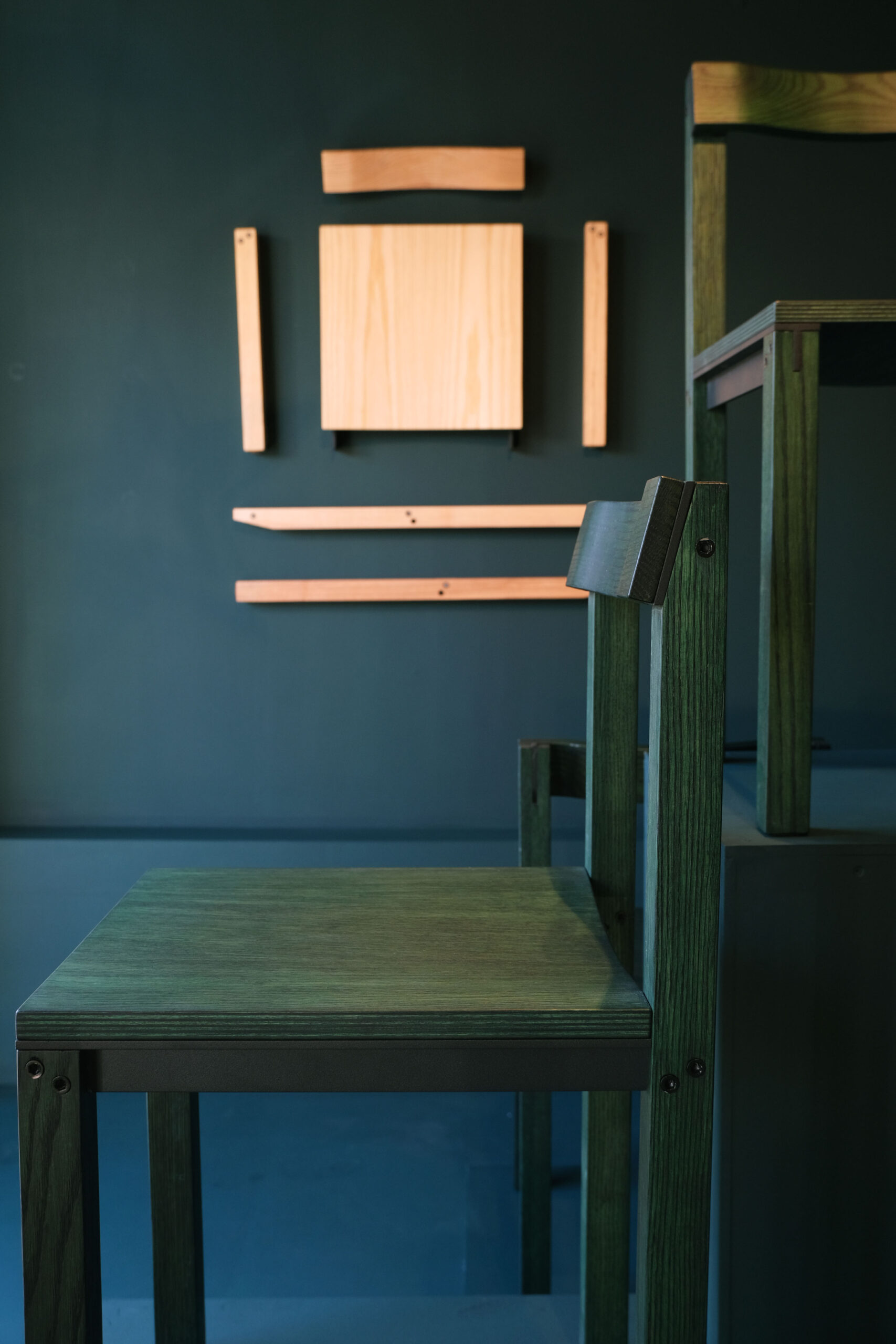
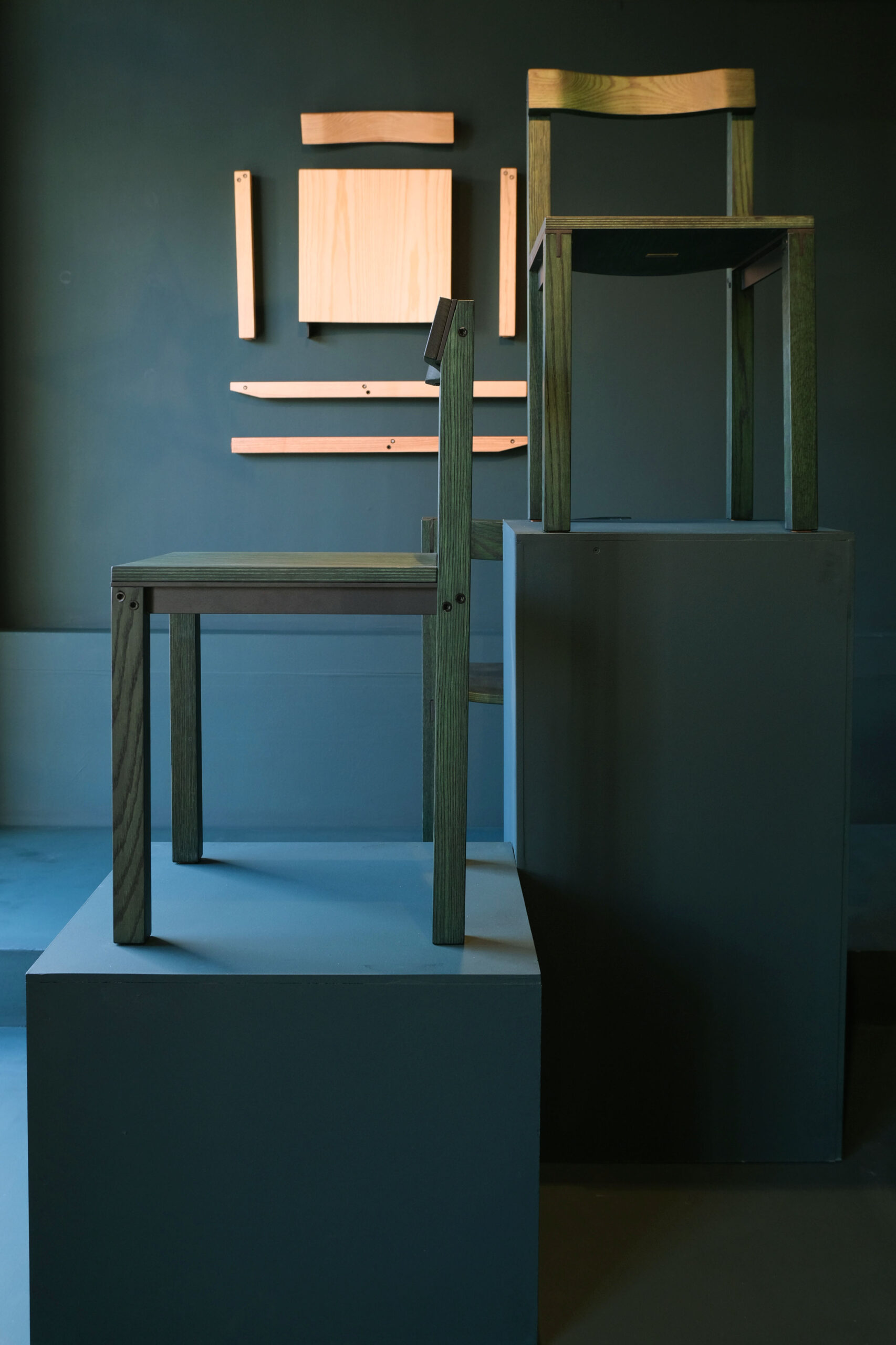
This exhibition highlights the co-creation of the TAL chair, between the designer and the furniture brand. ARCHIK invited the designer to imagine a scenography that reveals itself as a space of reflection around the design, with the different elements of the chair displayed on the walls.
Kann Design

Founded in Lebanon in 1958 by Kanaan, a renowned carpenter and father of Houssam Kanaan – founder of KANN Design, the Kanaan workshop is the pillar of the KANN Design project.

Having been immersed in furniture since his childhood, Houssam draws inspiration from and relies on the expertise and know-how of the experienced craftsmen who make up the brand’s heritage. Cabinetmakers, welders, upholsterers, painters and canners, most of whom have been with the company since its inception, work passionately, hand in hand, with a concern for creativity, quality and a deep sense of detail.

With this collective of craftsmen, KANN edits and concretizes the ideas and drawings of designers by making timeless furniture, technically irreproachable, and with absolute comfort.

With the taste for beautiful things, defended since its beginnings, KANN Design signs total and made-to-measure realizations, thought in the slightest details and in an always more sustainable approach.
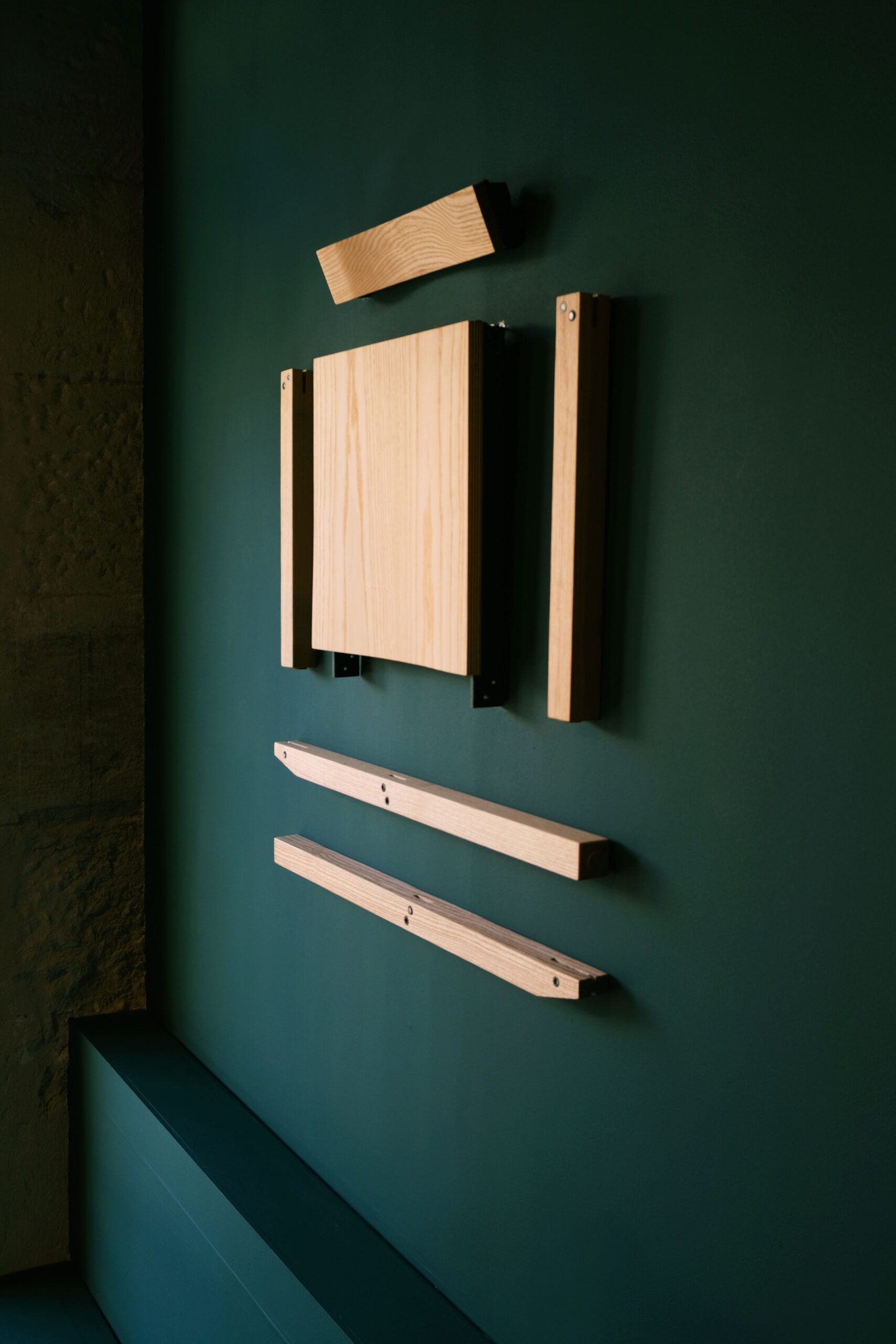
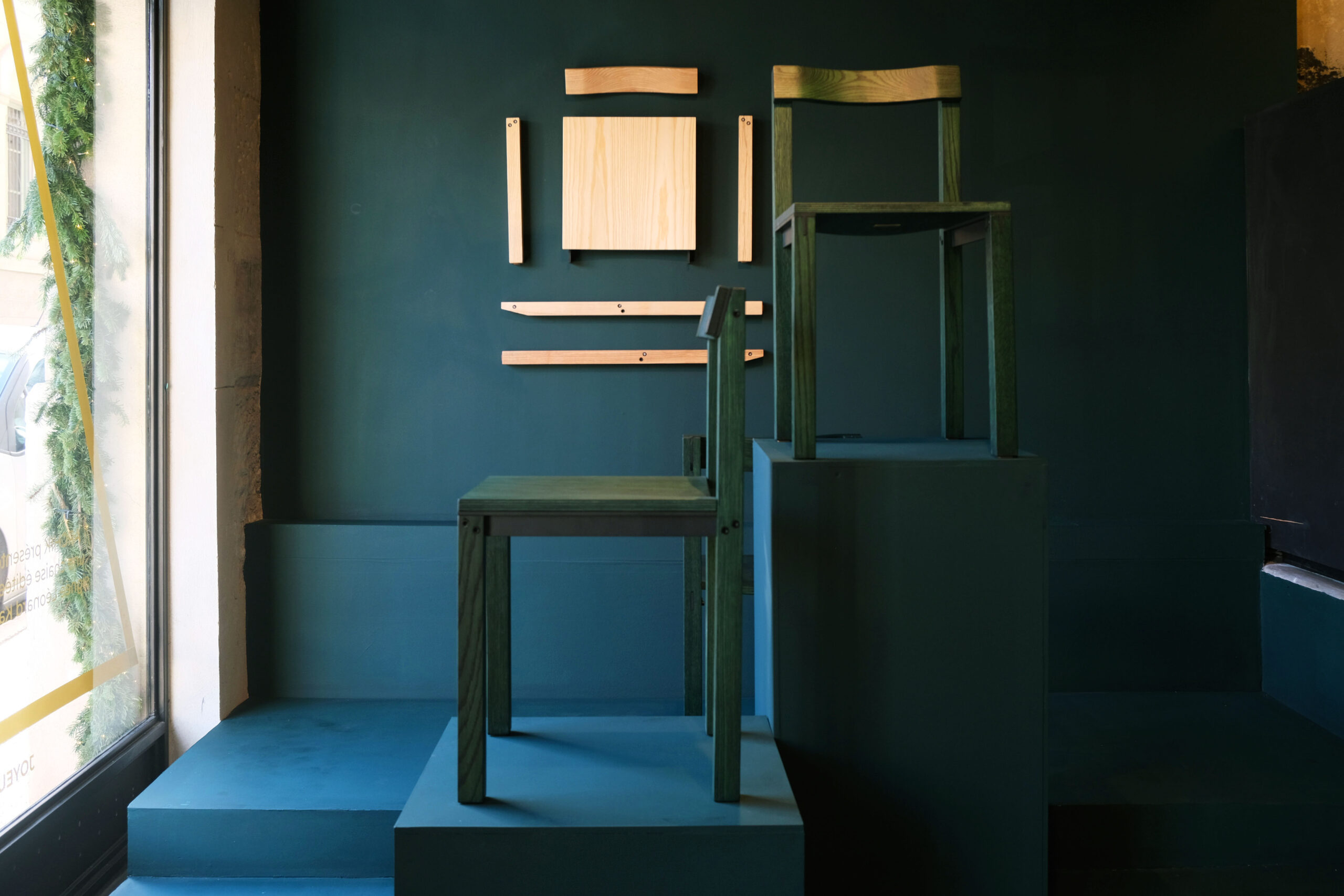
The craft is honored in this scenography dressed in a leafy shade, highlighting the simple and contemporary curves of the TAL chair.

INFORMATIONS PRATIQUES

Dates

From December 2020 to February 2021
at the Maison ARCHIK Marseille

Sites des designers
TUBULURE

Septembre – Décembre 2020

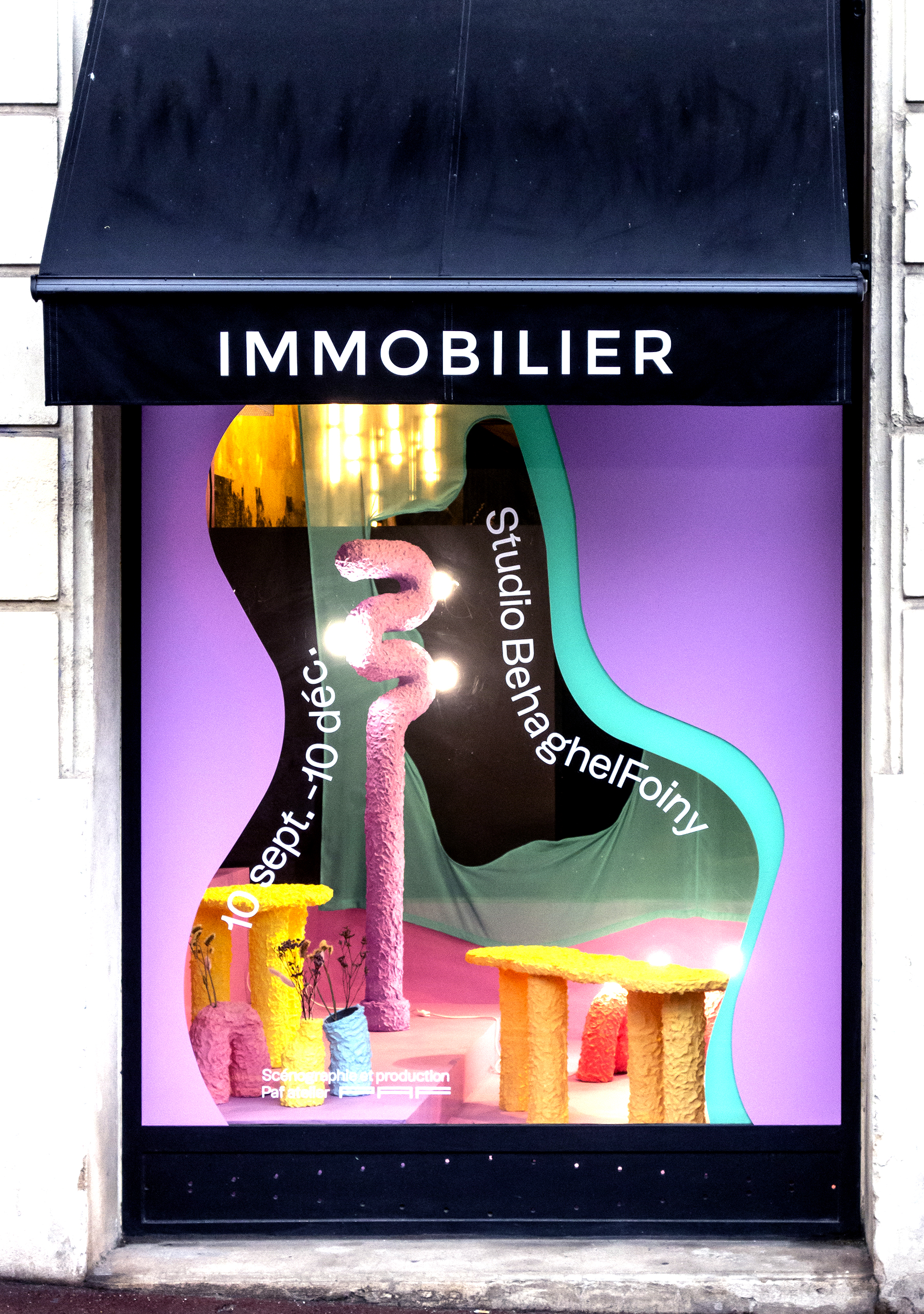
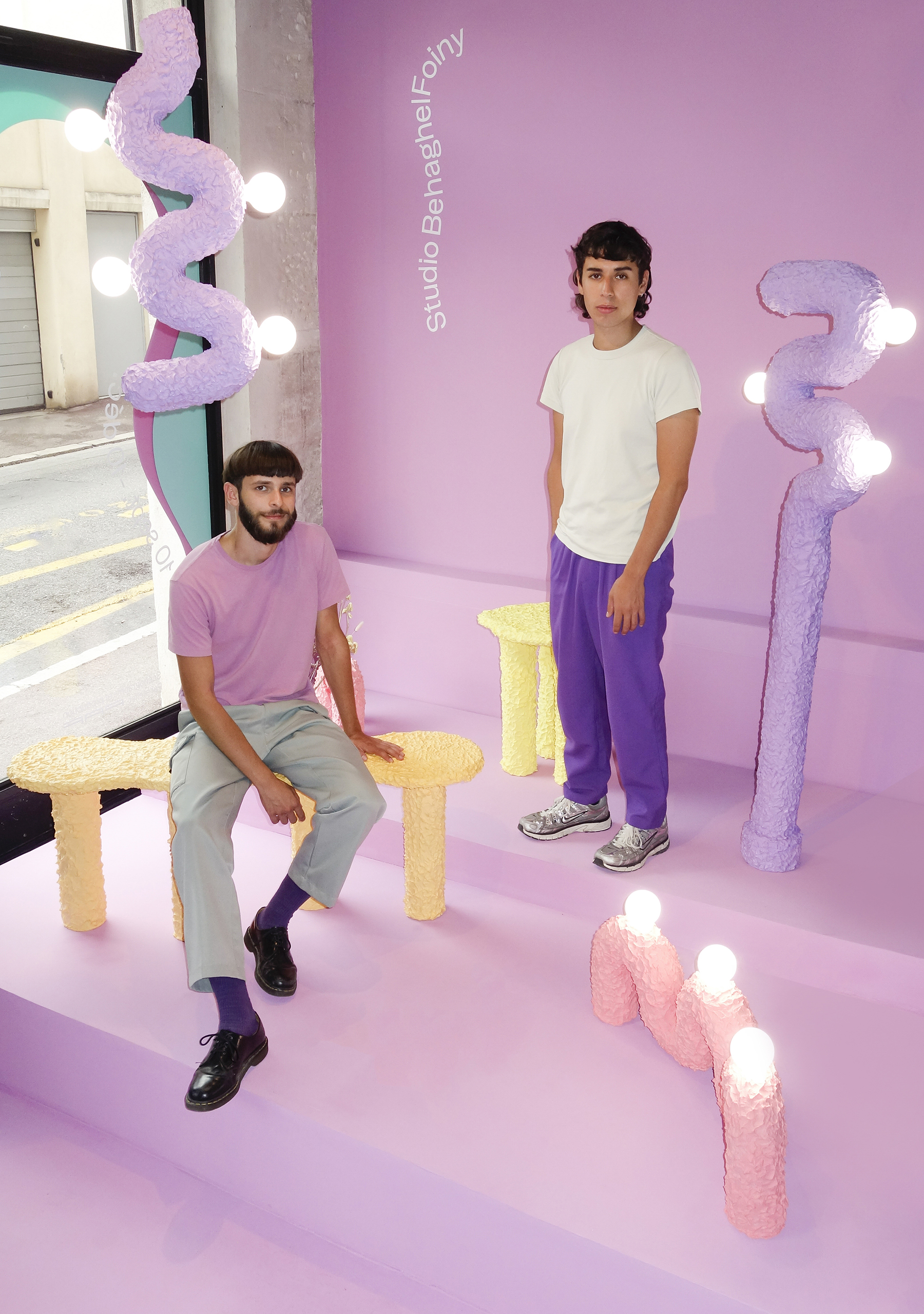
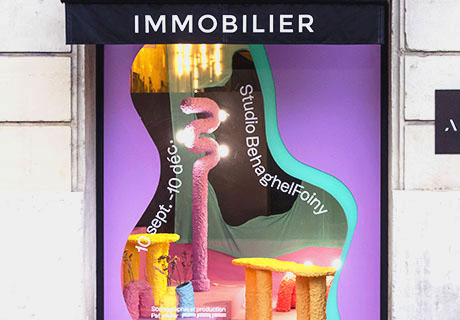
Winner of the first edition of the Pli PublicWorkshop, the BehaghelFoiny studio was offered the opportunity to exhibit its colorful pieces at the Maison ARCHIK Marseille.

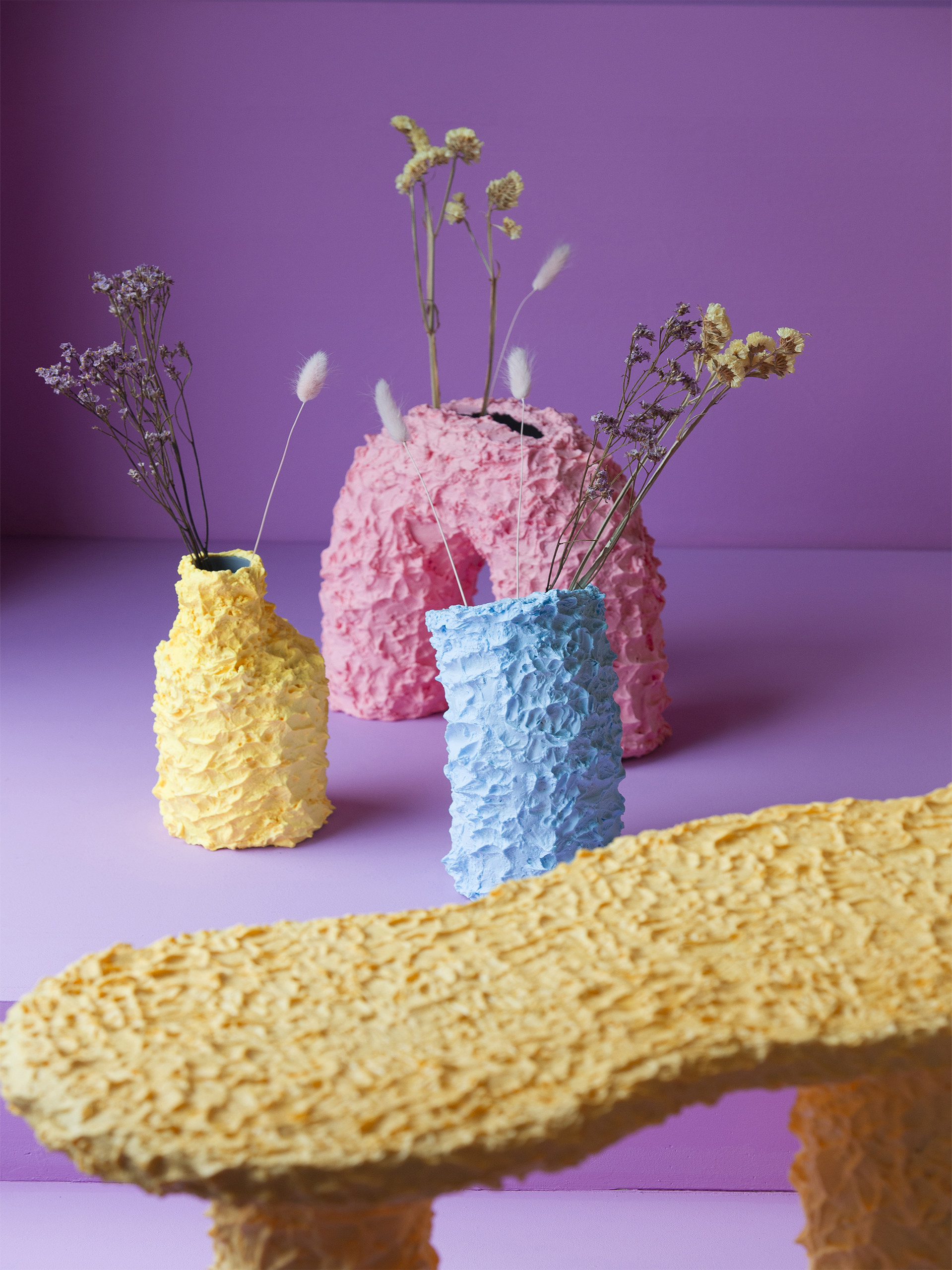
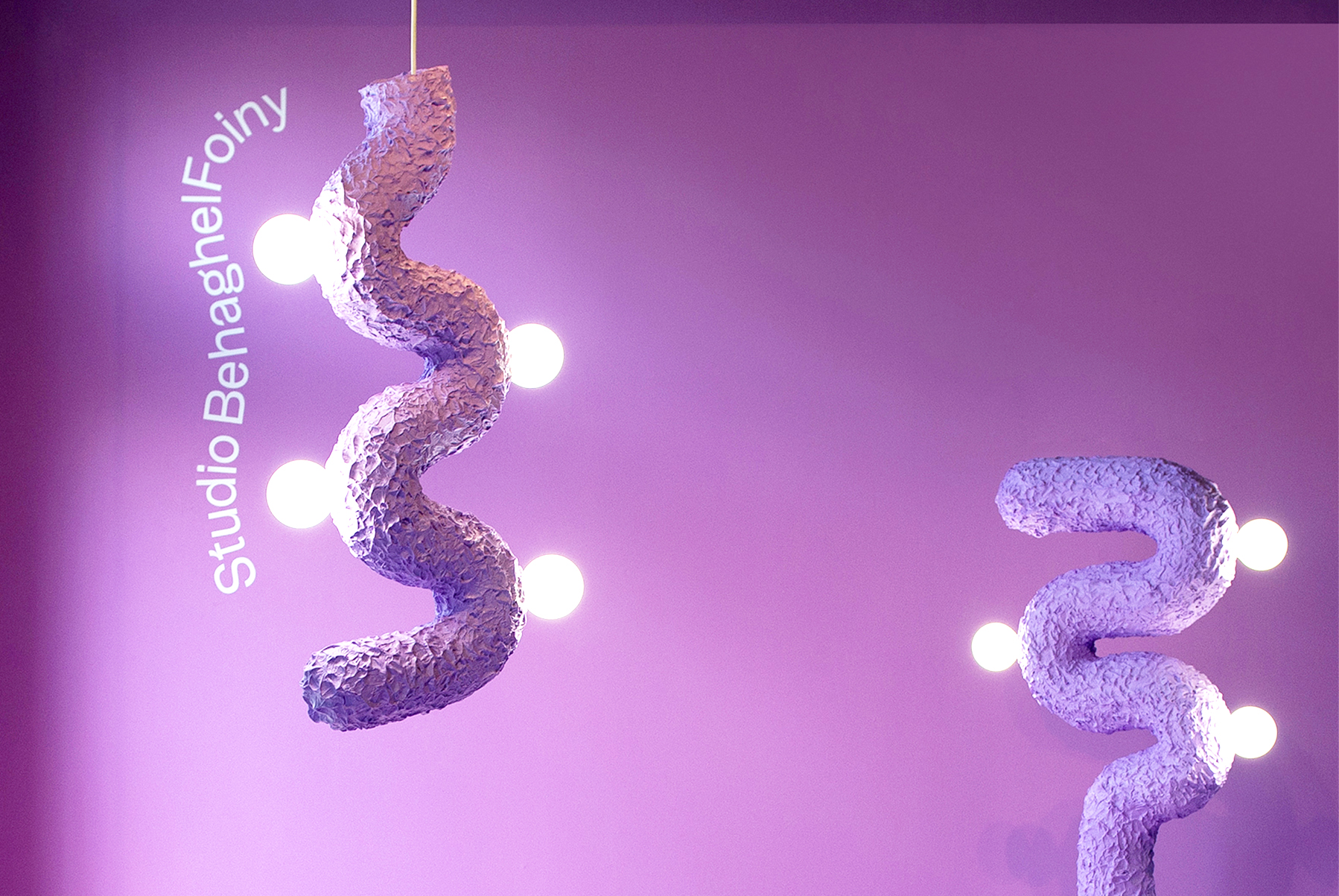
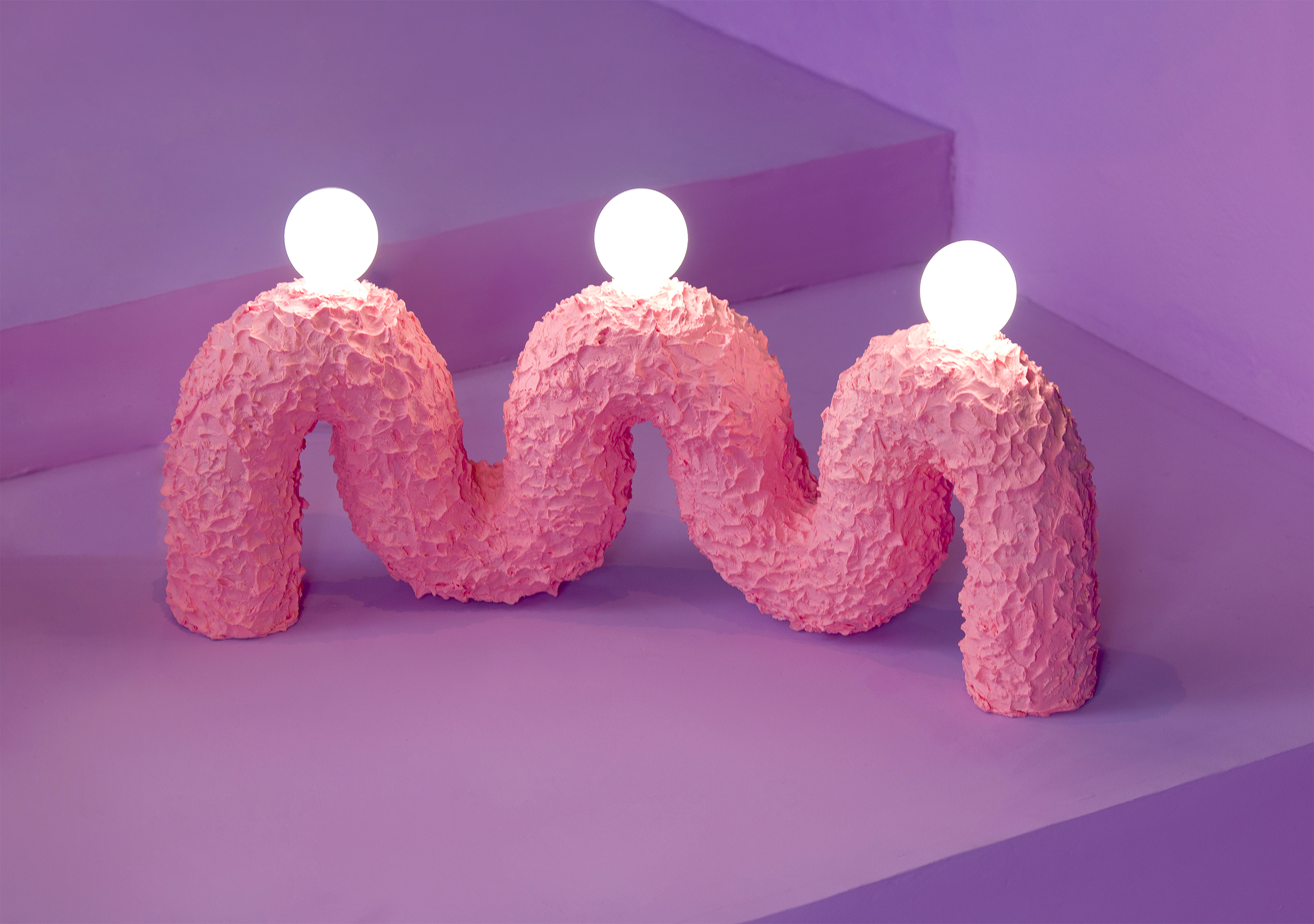
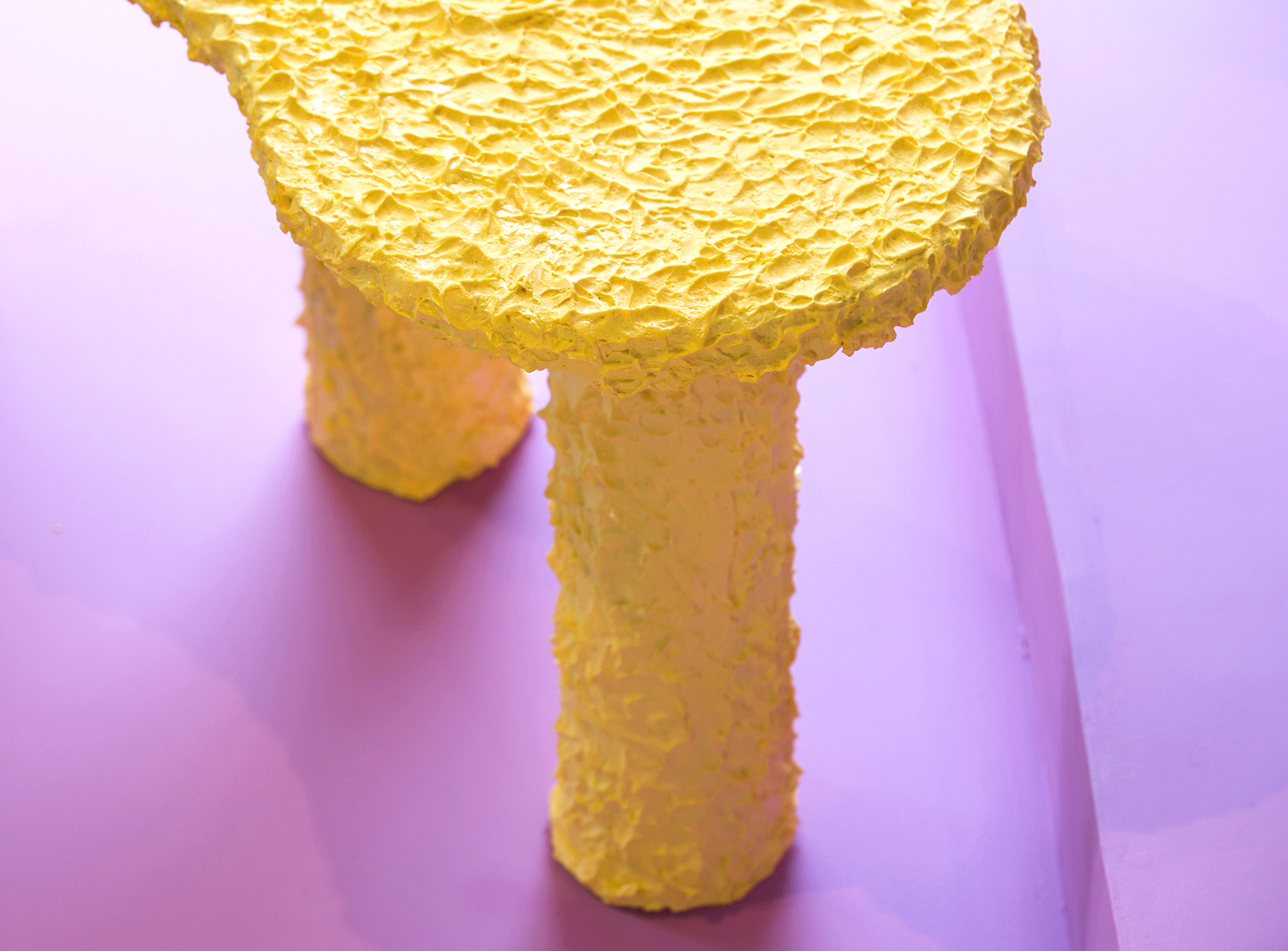
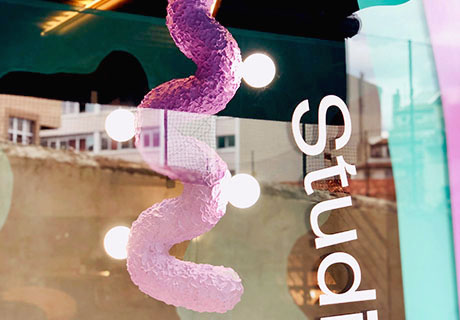
Their work revolves around a flexible aluminum tube, which they twist and untwist to draw the object in space. To reinforce the silhouette, they then cover it with plaster, fiberglass and resin as needed. The solidified object is then covered with a tinted coating, applied with a knife like an exaggerated textured plaster.

The detour by hand then reveals the alternative potentials of industrial tools. Without reducing materials to their conventional functions, Antoine and Alexis consider them with a primitive eye as raw resources to manipulate. “Tubulure” tends towards a new type of craftsmanship that would mutiny a production system dependent on heavy industry and a standardization of tastes.

Studio BehaghelFoiny

The duo, composed of designers Alexis Foiny and Antoine Behaghel, conceives a new typology of furniture in the form of transitory objects. Starting from the premise that the domestic universe to which we have access in the large distributors seems sometimes stuck in prefabricated and standardized representations, they propose an alternative domestic universe. Also qualified as a laboratory, the design studio multiplies the experiments in an exhaustive way, in the form of an inventory.
A primitive look at the material.
In the midst of industrial resources, they have developed an ability to produce furniture in an absolutely autonomous, and “neo-prehistoric” way.

INFORMATIONS PRATIQUES

Dates

Du 10 septembre 2020 au 10 décembre 2020
à la Maison ARCHIK Marseille

Site des Designers
Scénographie

Crédits photos

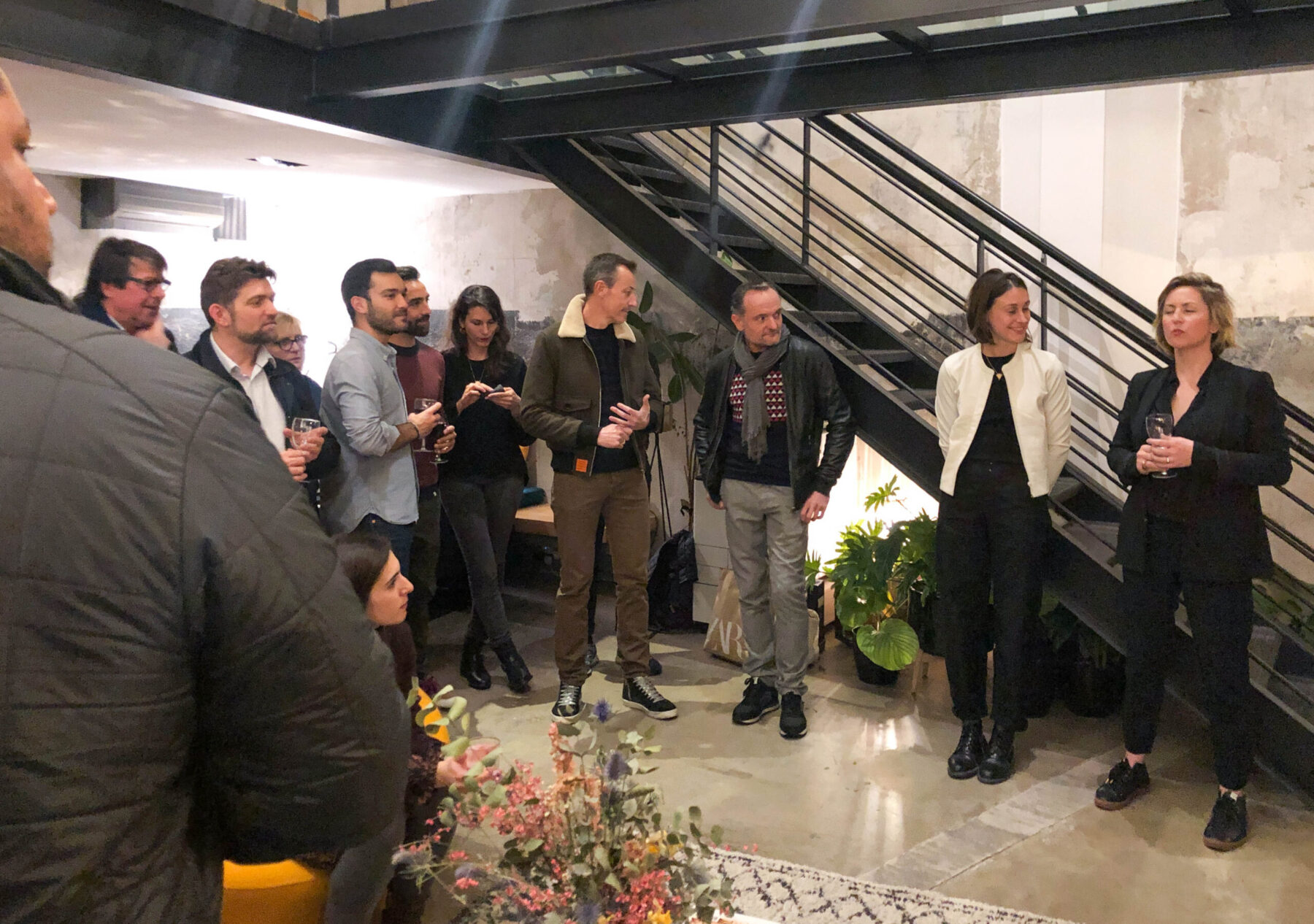
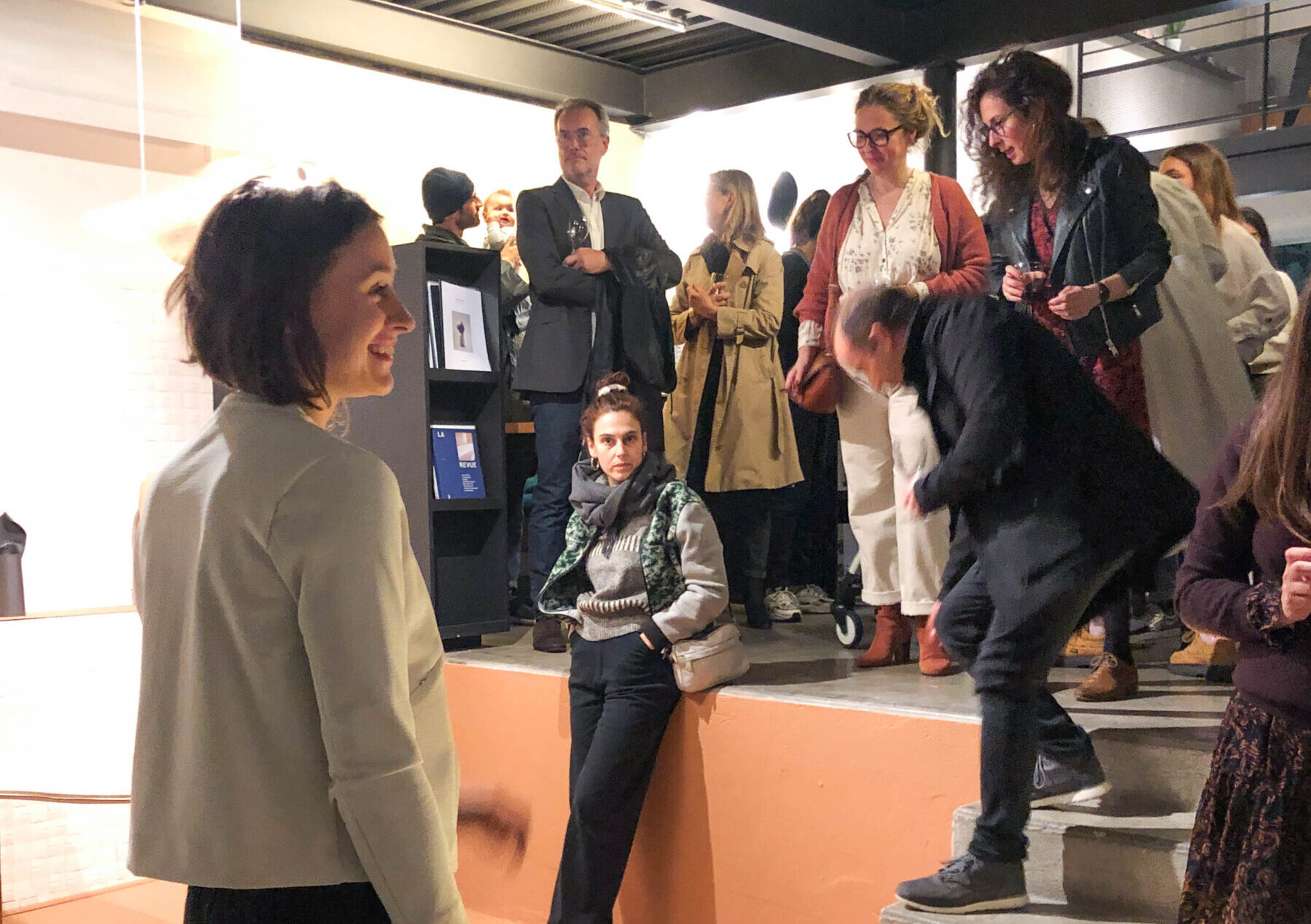
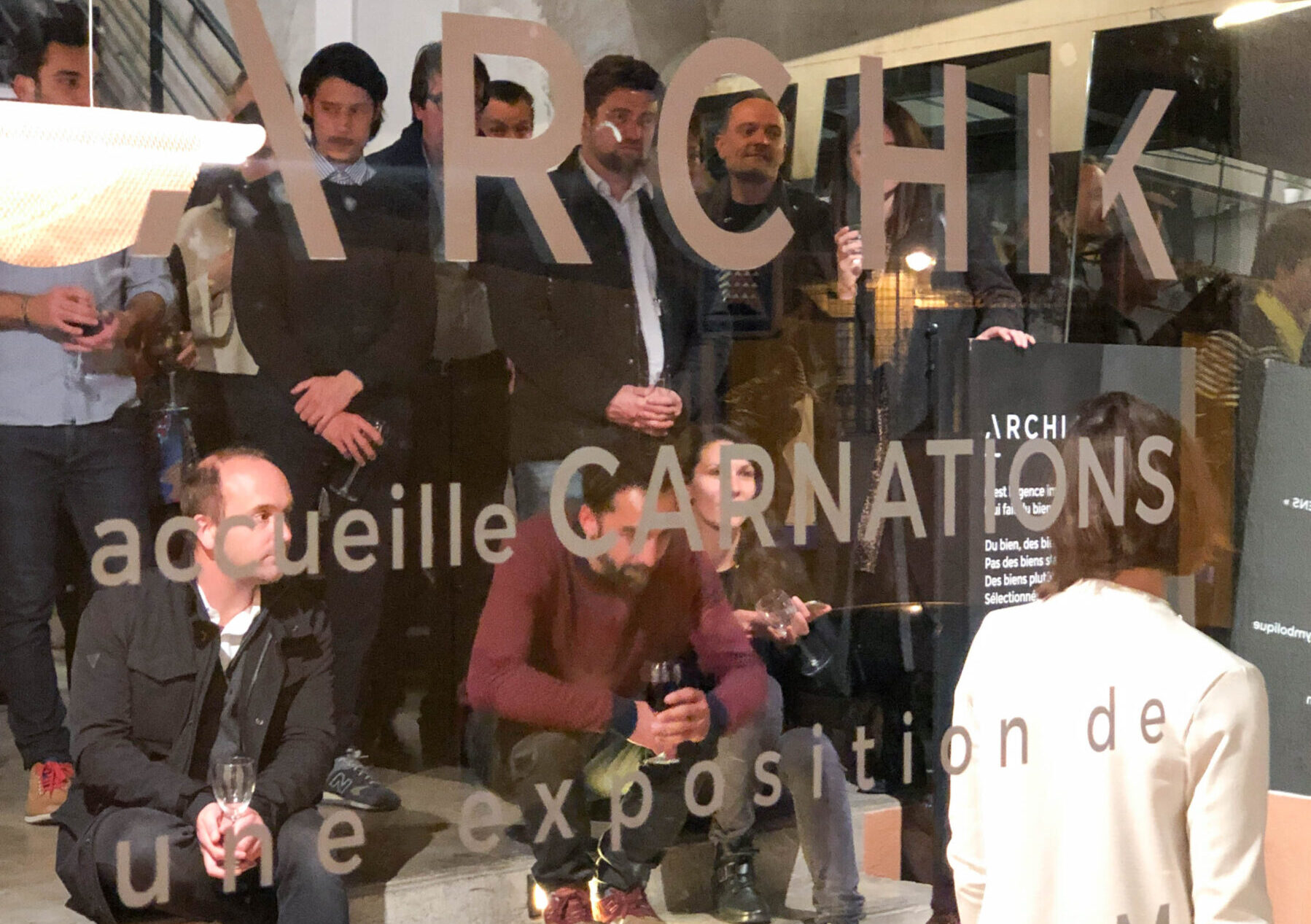
Le Vernissage

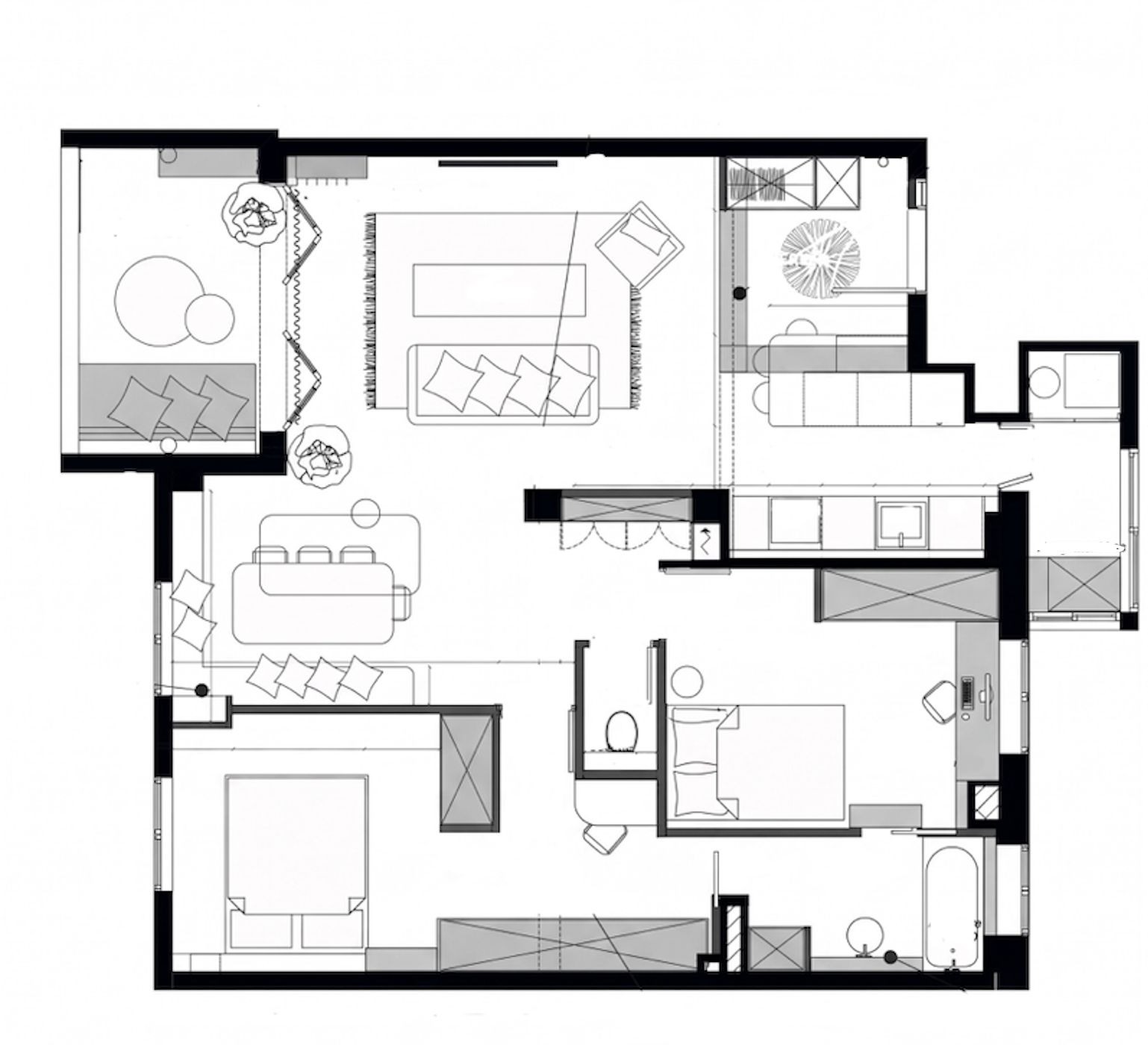
Trois chambres tournées vers l’Ouest composent le coin nuit.
La chambre parentale aux volumes appréciables se pare de boiseries en soubassement aux tonalités terracotta, assorties à la tête de lit Margaux Keller. Une cheminée en marbre d’origine, encadrée de miroirs et de rangements, structure le volume.
Deux autres chambres en longueur communiquent par des portes d’origine, créant selon l’envie, une grande chambre ou bien deux parfaitement distinctes.

L’une se distingue par un lit sur mesure surélevé intégrant de nombreux rangements, son papier peint noir et blanc ponctué de palmiers habille le mur, tandis que les tomettes peintes en blanc au sol apportent une touche lumineuse. La seconde chambre se pare quant à elle d’un élégant vert forêt.

Ces deux chambres partagent une salle de bains familiale, équipée d’une baignoire et d’une douche en béton ciré.

Des espaces dressings et rangements viennent ajouter de la fonctionnalité et confort au bien.Une cave, une chambre de bonne et une place de parking à la location viennent compléter le bien.

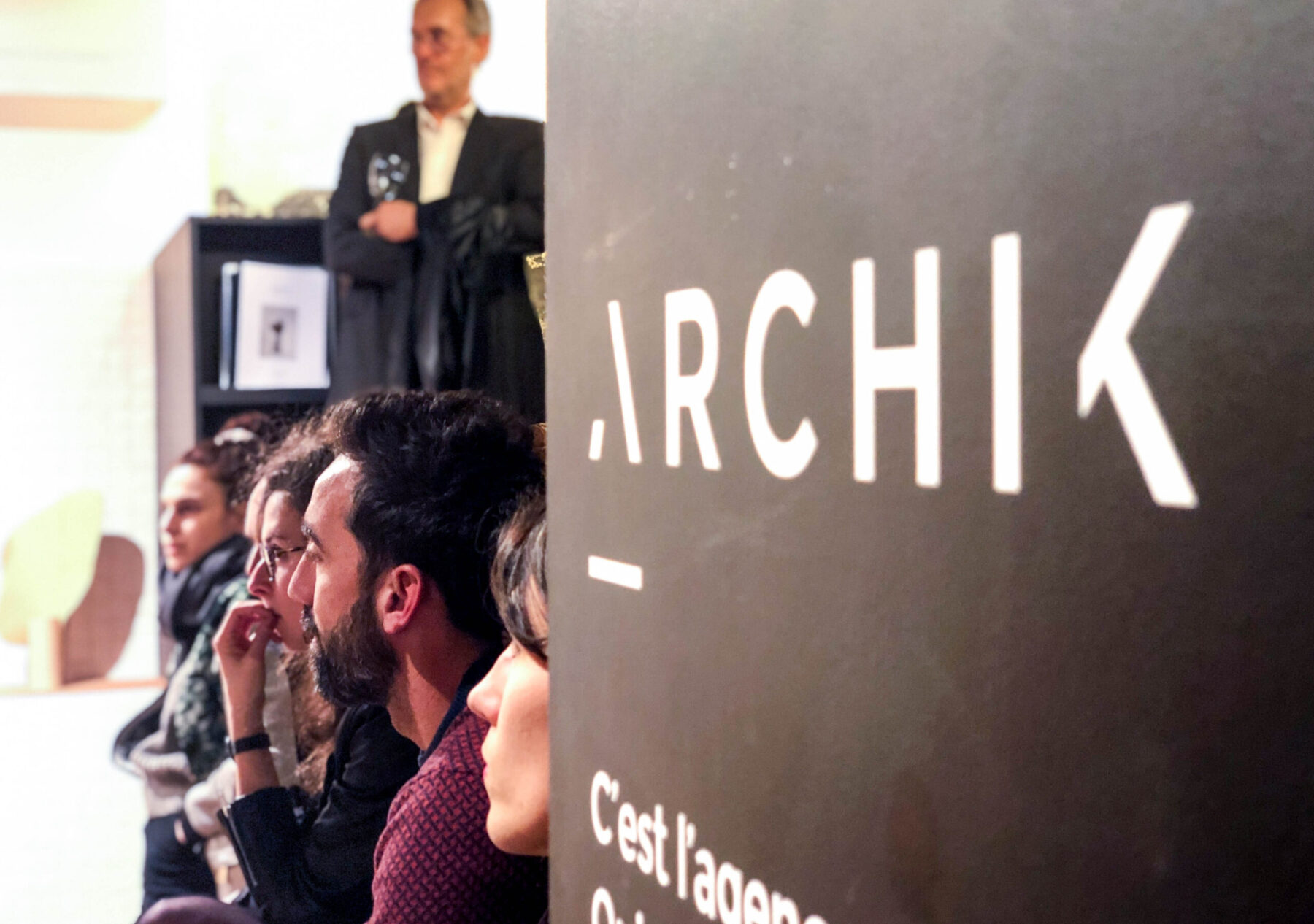
Carnations | Caroline Venet

2020

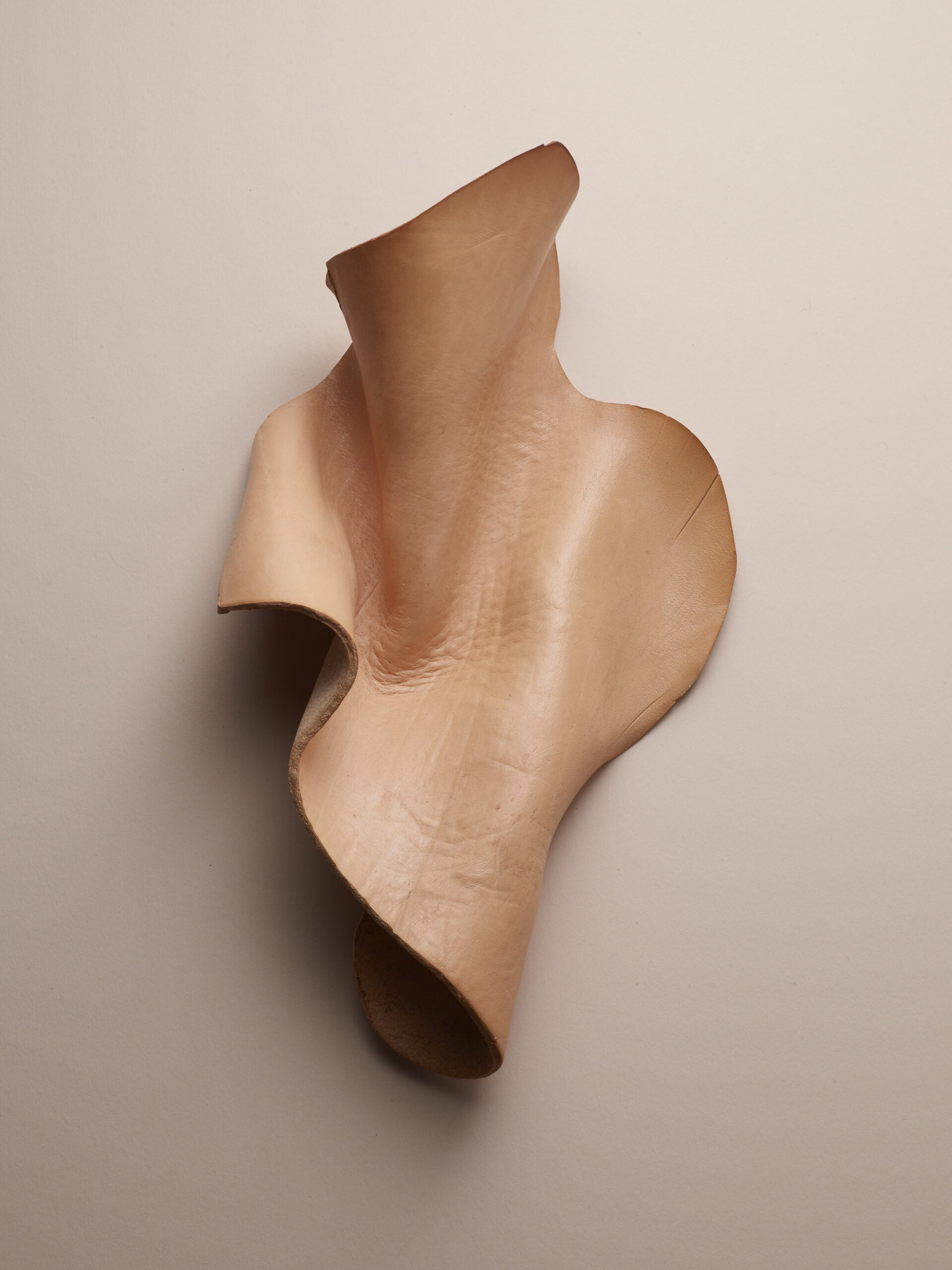
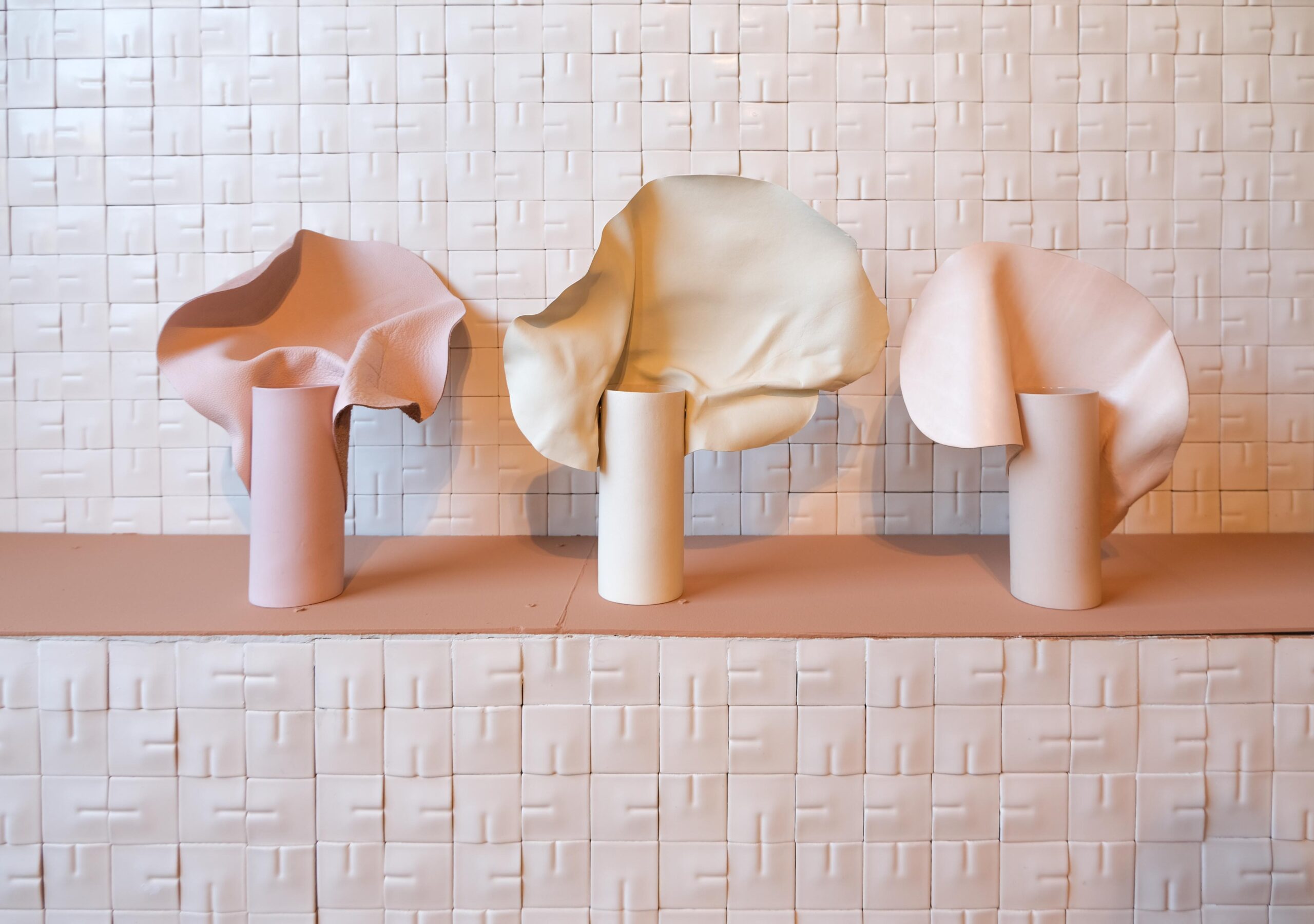
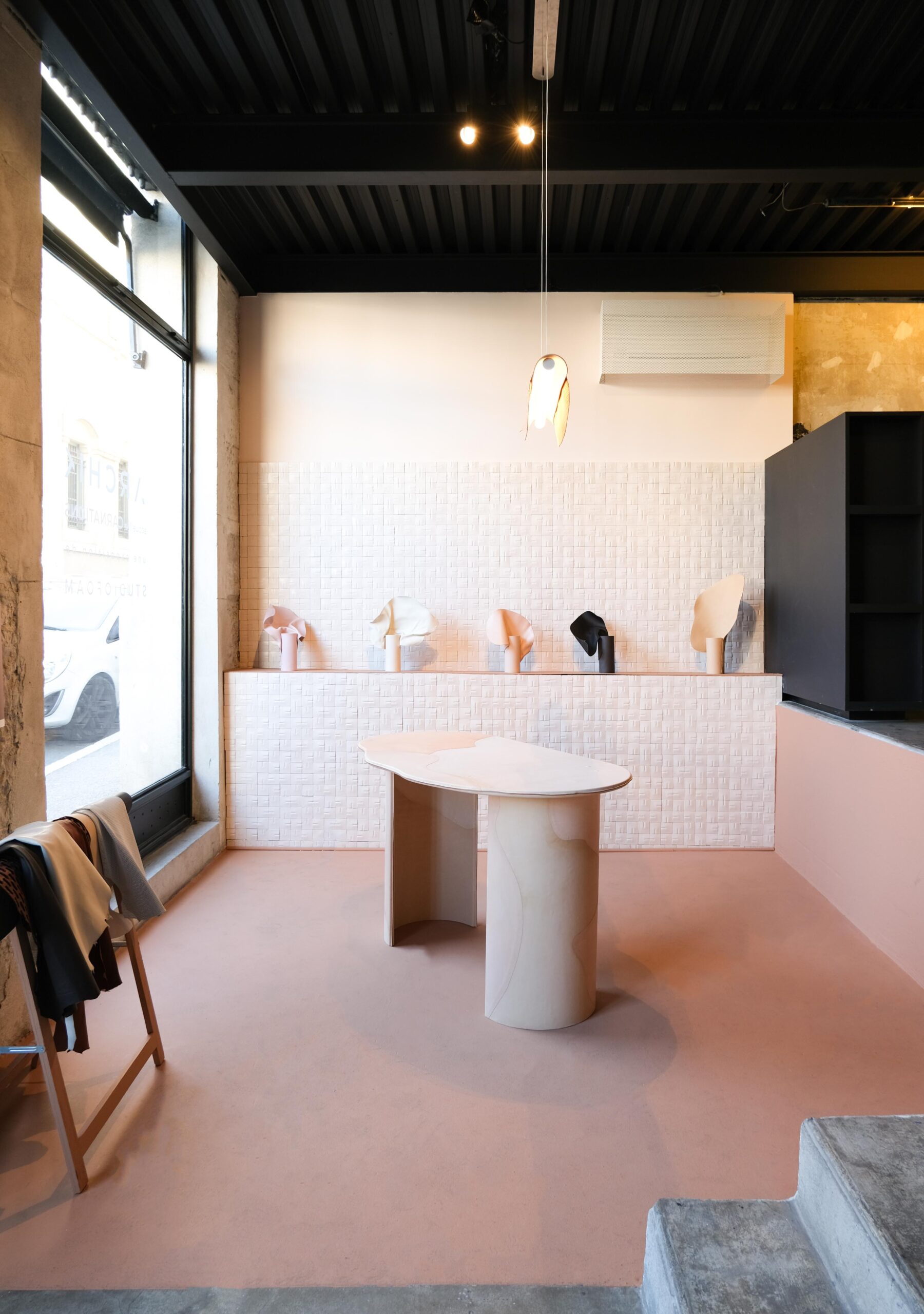
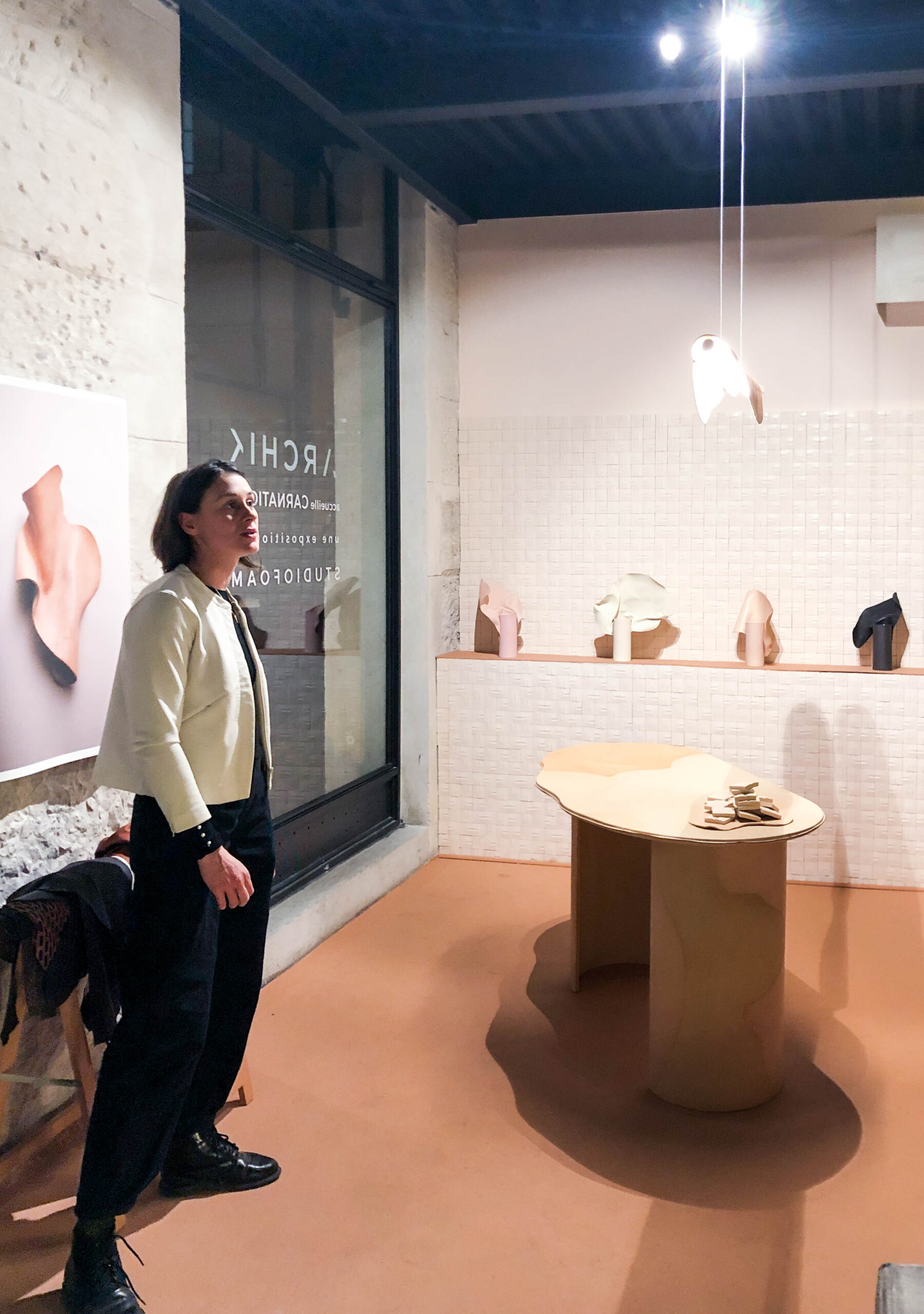
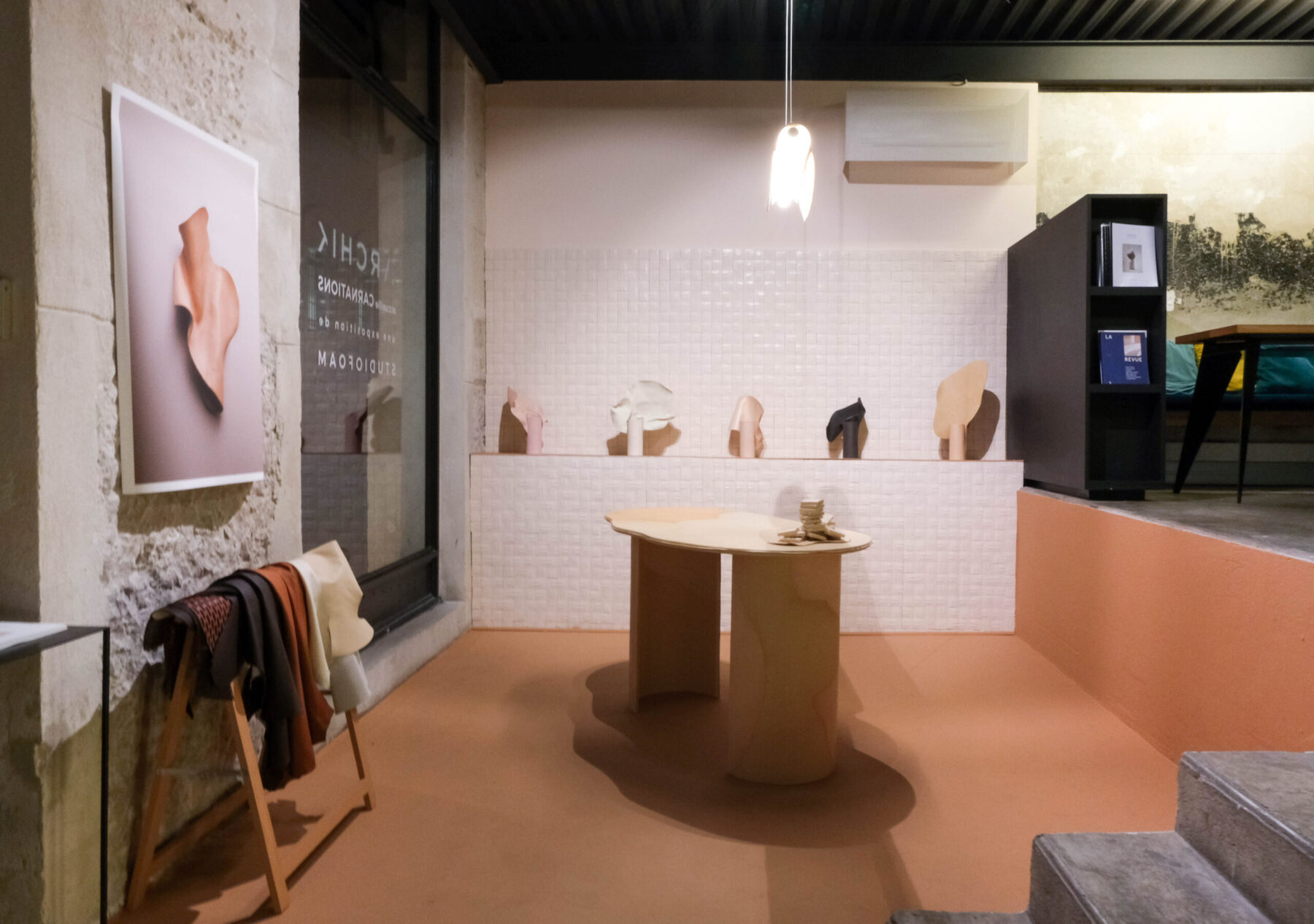
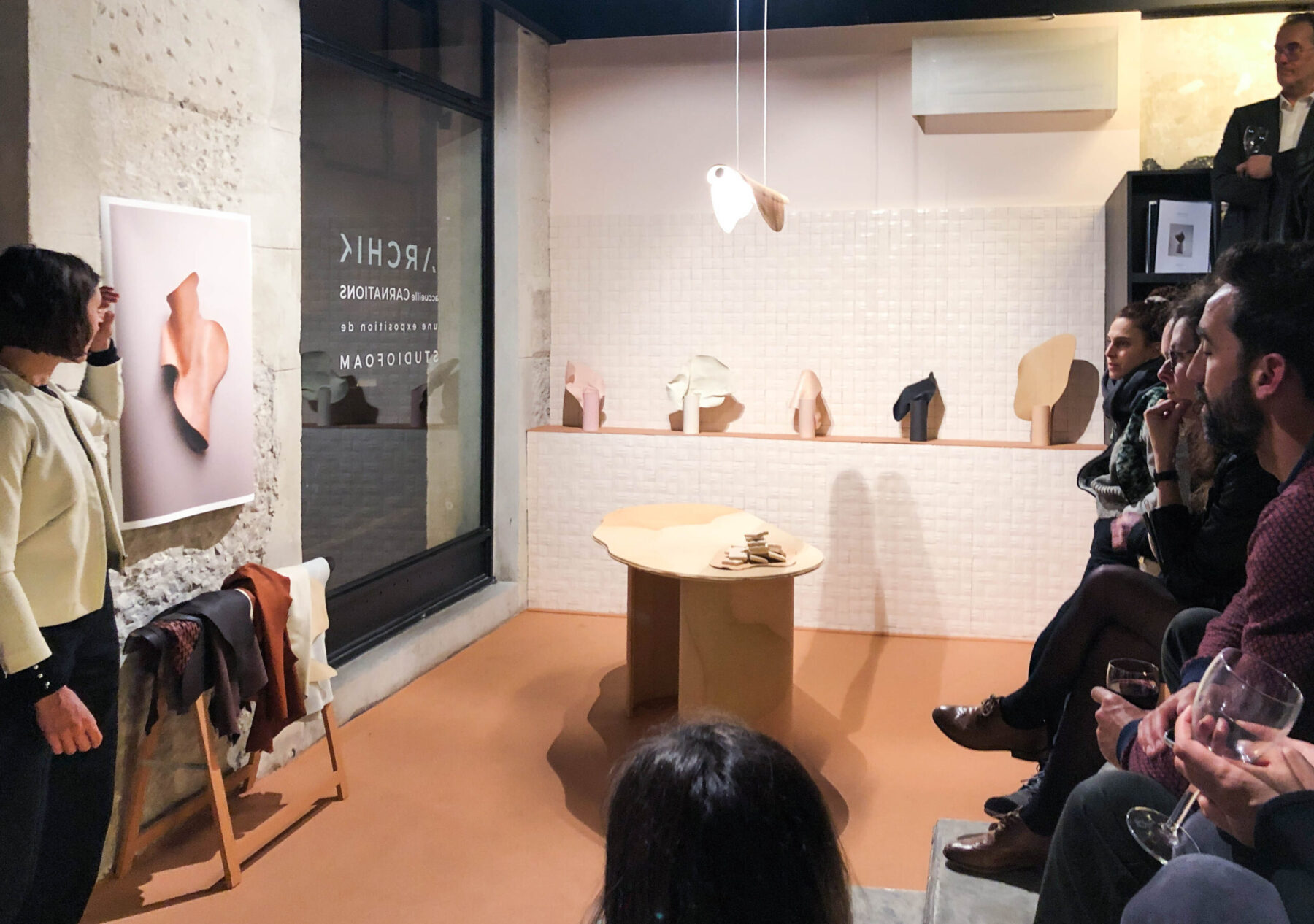
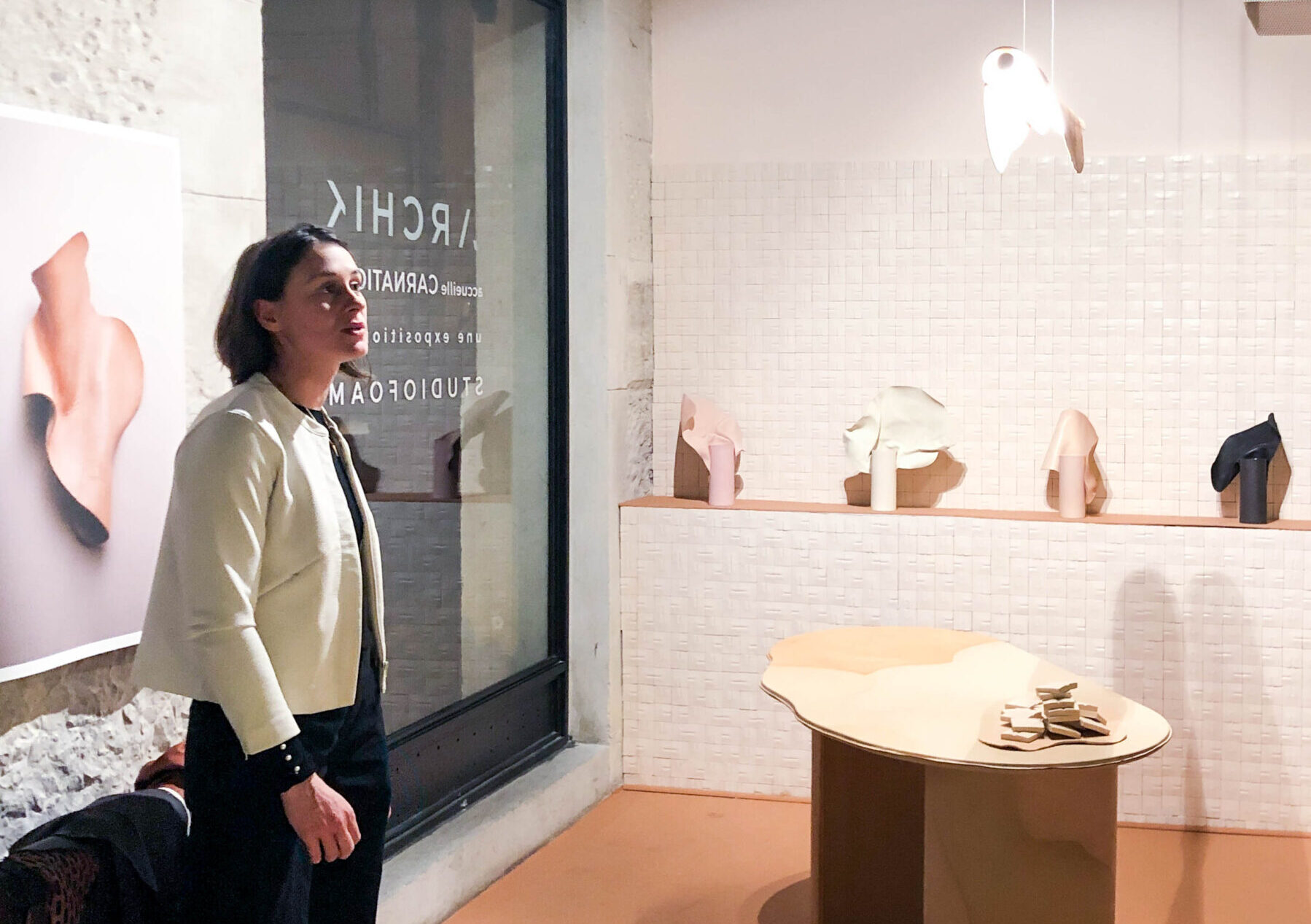
‛Carnations’ est un travail de recherche mêlant réemploi de cuir et terre porcelaine recyclée.

This is a limited series of objects and furniture for the home, unique pieces handmade in France, made in collaboration with ceramist Fanny Richard, leatherworker Aurélie Chadaine, and the tile factory Normandy Ceramics.

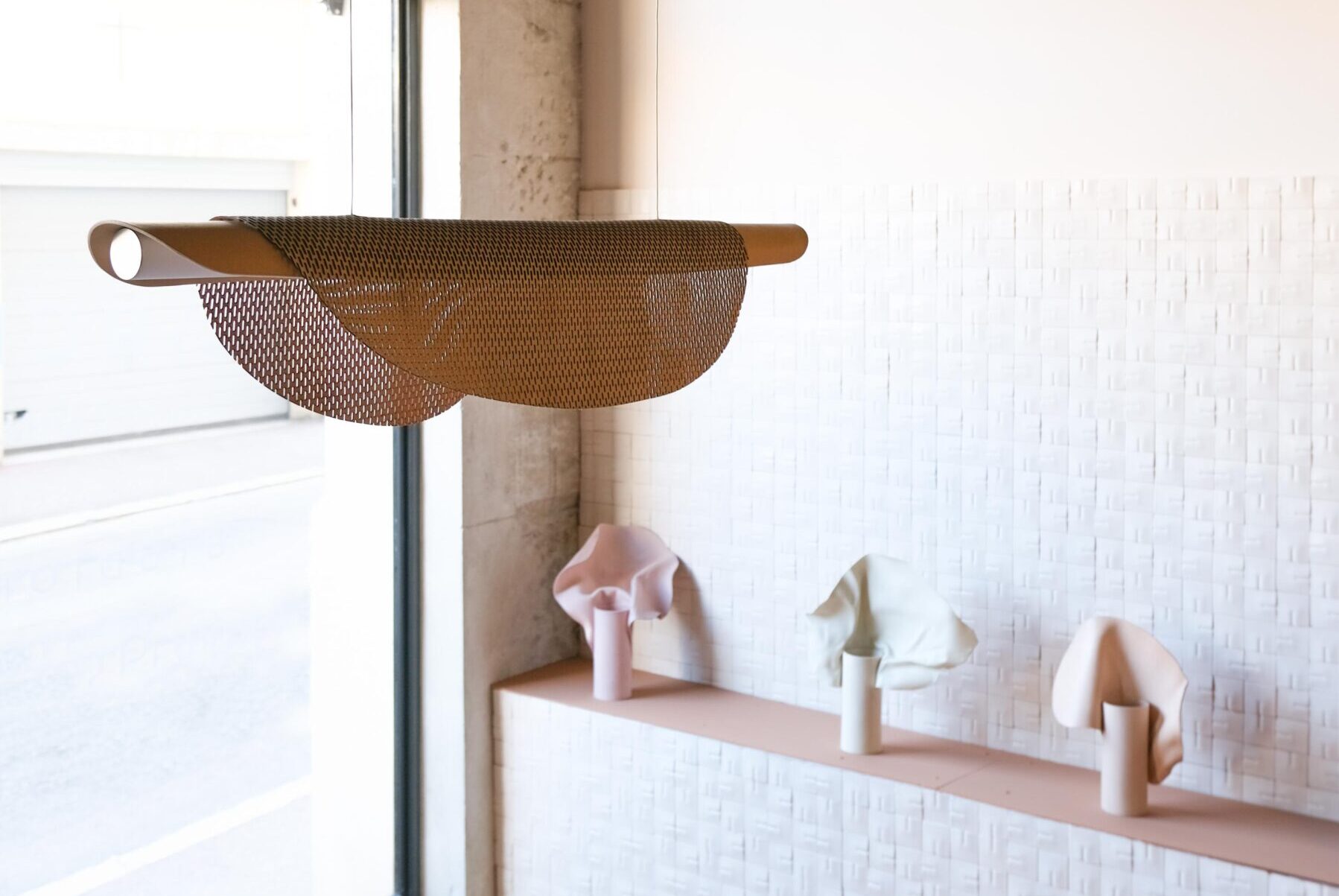
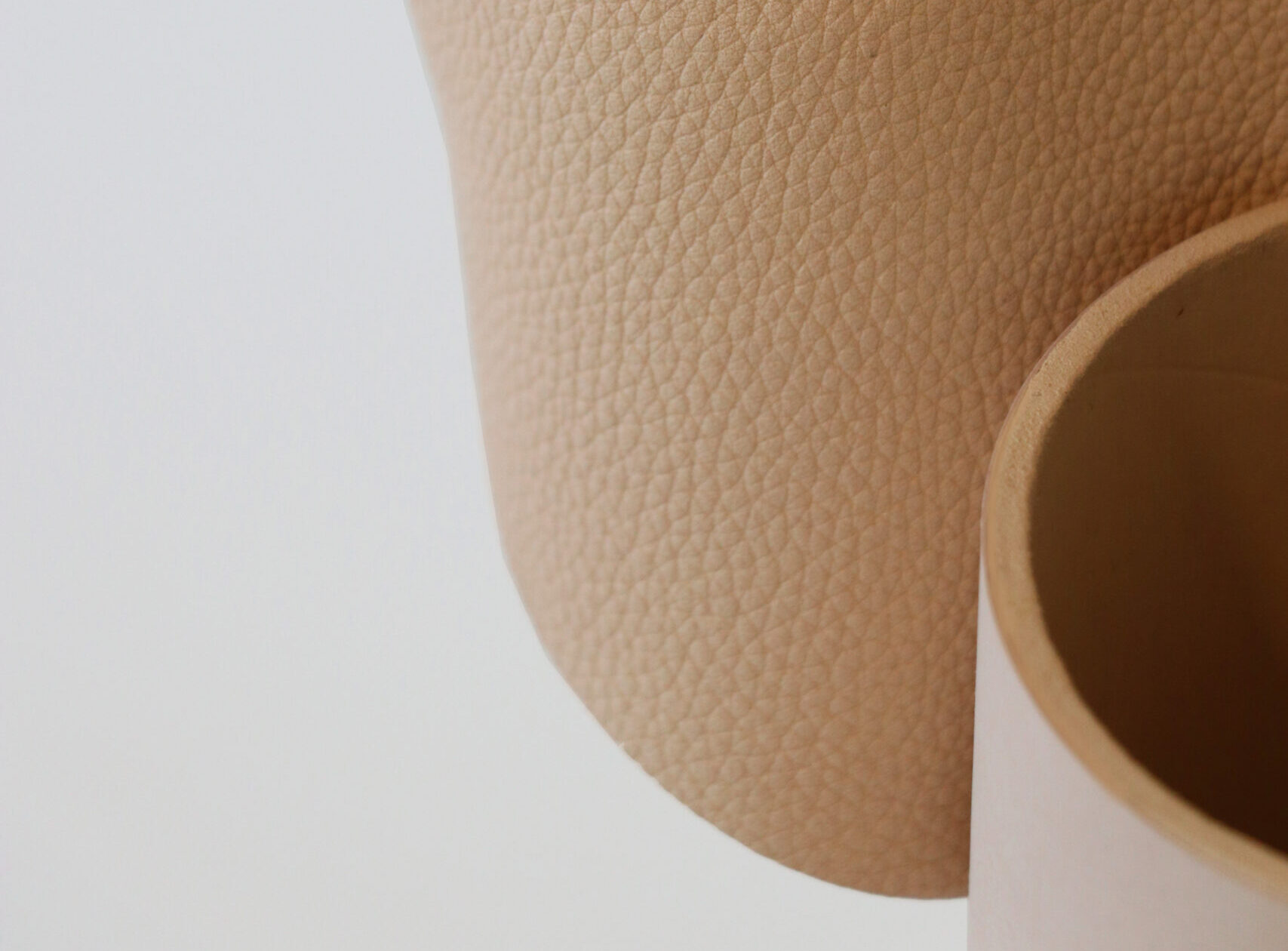
The leather scraps, end of series or rejects from the fashion industry, are collected to be revalorized, sublimated by their asperities, irregularities of the skin, scars, natural wrinkles or veins, which make the uniqueness of each object. It is a meeting of materials and know-how, between the suppleness of a leather skin and the velvetiness of hard porcelain or enamelled stoneware.

Out of a desire to perpetuate Studiofoam’s enchanting universe, and still in this logic of offering a global package, we have co-published ONDE(S), a limited edition luminous suspension.

Caroline Venet

Caroline Venet created Studiofoam in 2017, which she conceives as a research laboratory. Through this design studio, Caroline proposes a unique interpretation of materials, questions manufacturing techniques and processes, between innovation and traditional know-how. The designer explores the boundaries between art, craft and design. She develops a multiple approach, from experimentation to installation, from material and surface design to product design, set design, scenography and art direction.

It is a meeting of materials and know-how, between the suppleness of a leather skin and the velvetiness of hard porcelain or glazed stoneware.

INFORMATIONS PRATIQUES

Dates

Mars 2020 à Juin 2020 à
la Maison ARCHIK Marseille

Novembre 2020 à Mars 2021 à
la Maison ARCHIK Paris

Site du Designer

Le Vernissage

La première chambre se découvre derrière un très beau dressing entièrement miroir. Le sol moquetté apporte une sensation plus feutrée à cet espace qui profite, lui aussi, d’une belle vue sur la mer.

La salle de bain, habillée de carreaux blancs, s’inscrit au cœur de l’appartement et assure la transition entre les deux chambres. La seconde chambre quant à elle, bénéficie d’une armoire et d’un bureau réalisés sur mesure, dans la continuité de l’écriture intérieure.
Une cave complète le bien. Des places de stationnement libres sont disponibles au sein de la propriété.

Box en sus.

Façonner l’imaginaire | Amélie Maison d’Art

September – October 2019

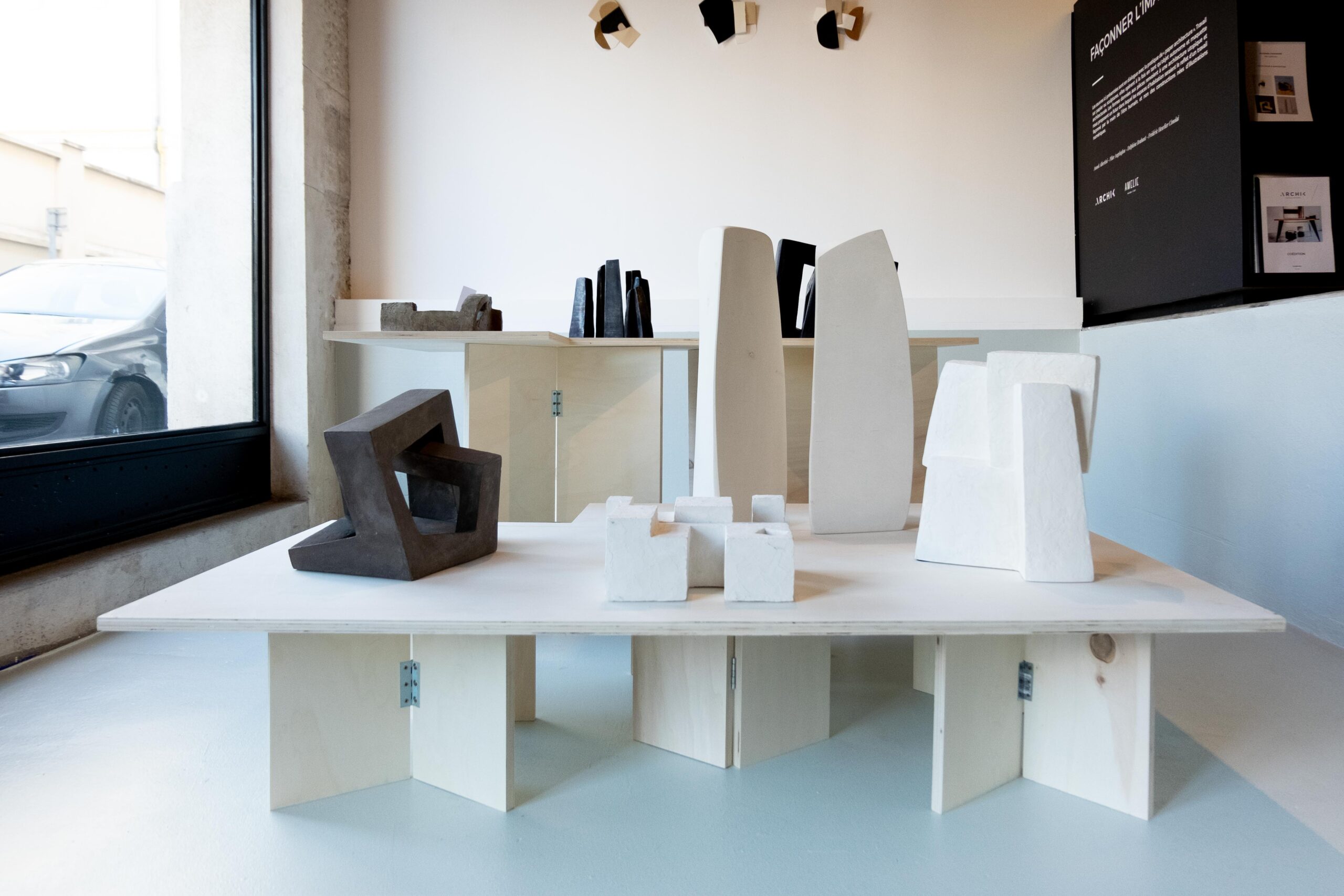
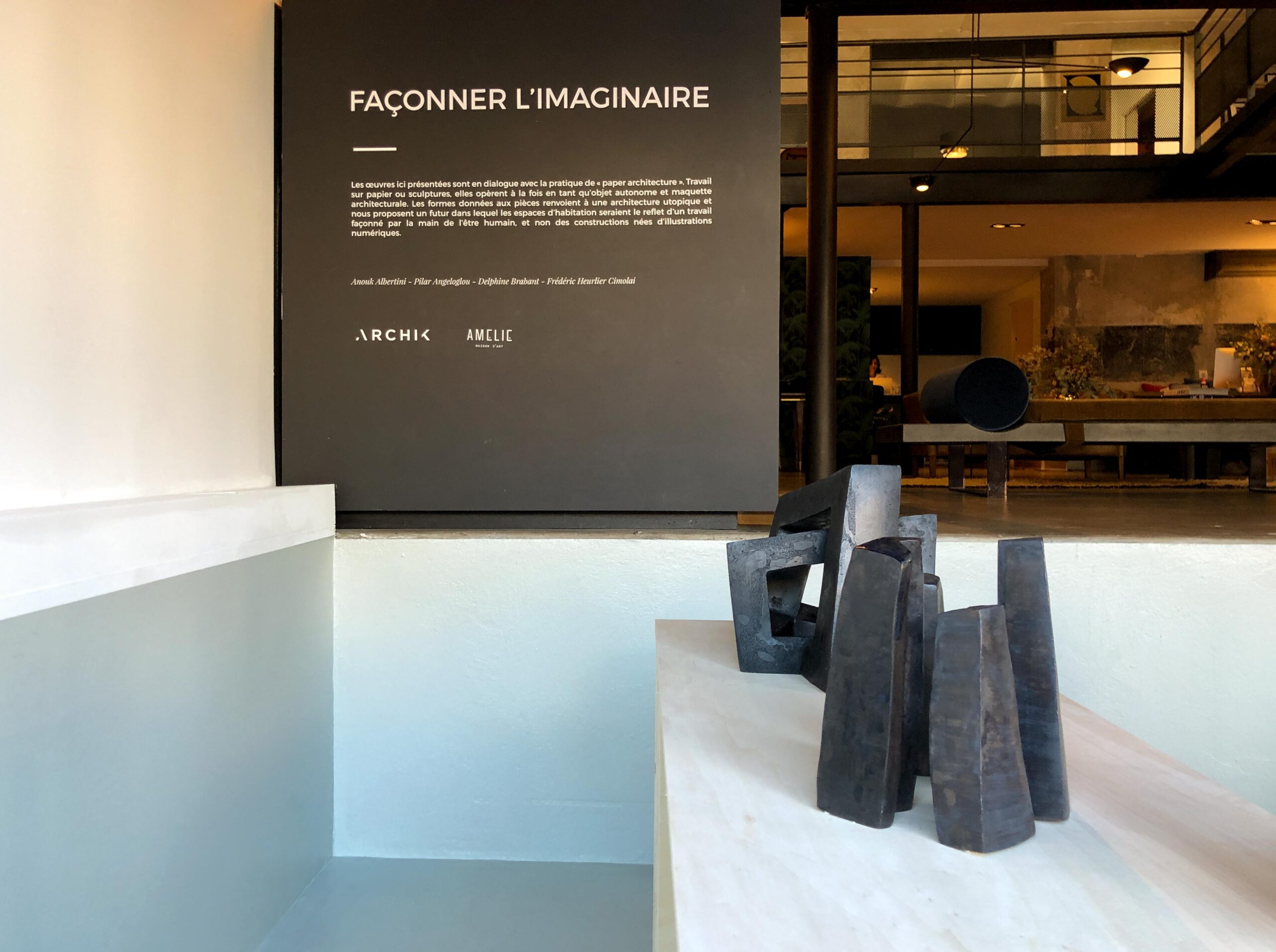
ARCHIK continues its exploration of architecture, art and design by inviting the Parisian gallery Amelie Maison d'Art for this new exhibition.

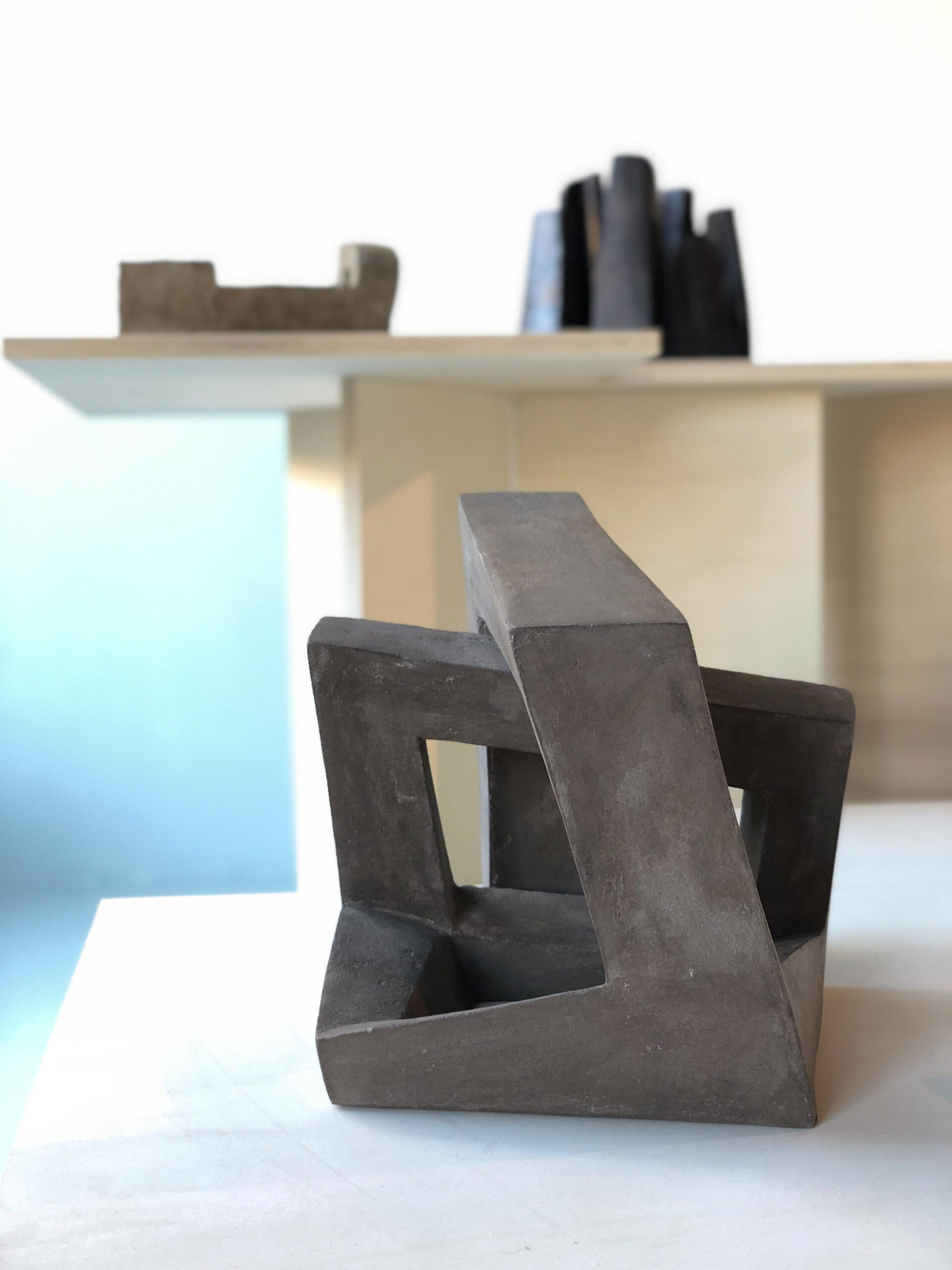
Since ancient times in the Near and Middle East, the clay architectural model has explored, in a more or less explicit way, the relationship to reality and the sacred. Similarly, throughout the centuries, the practice of “paper architecture”, also called “visionary architecture”, has often been used by architects and artists to experiment with utopian projects and represent imaginary spaces. These conceptual drawings and models reflect a desire to imagine the world of tomorrow in the image of man, sometimes in opposition to the rationality of technology.

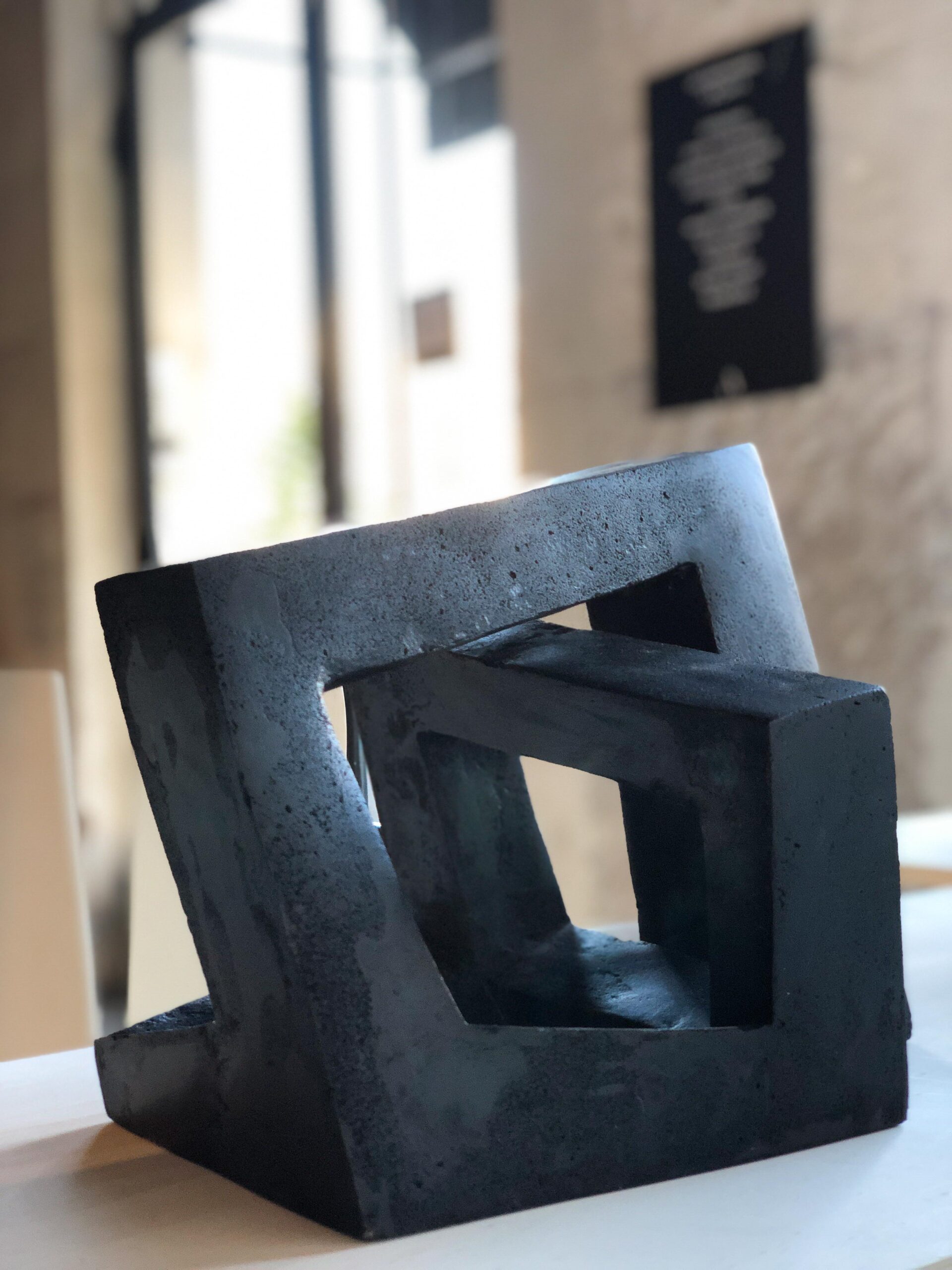
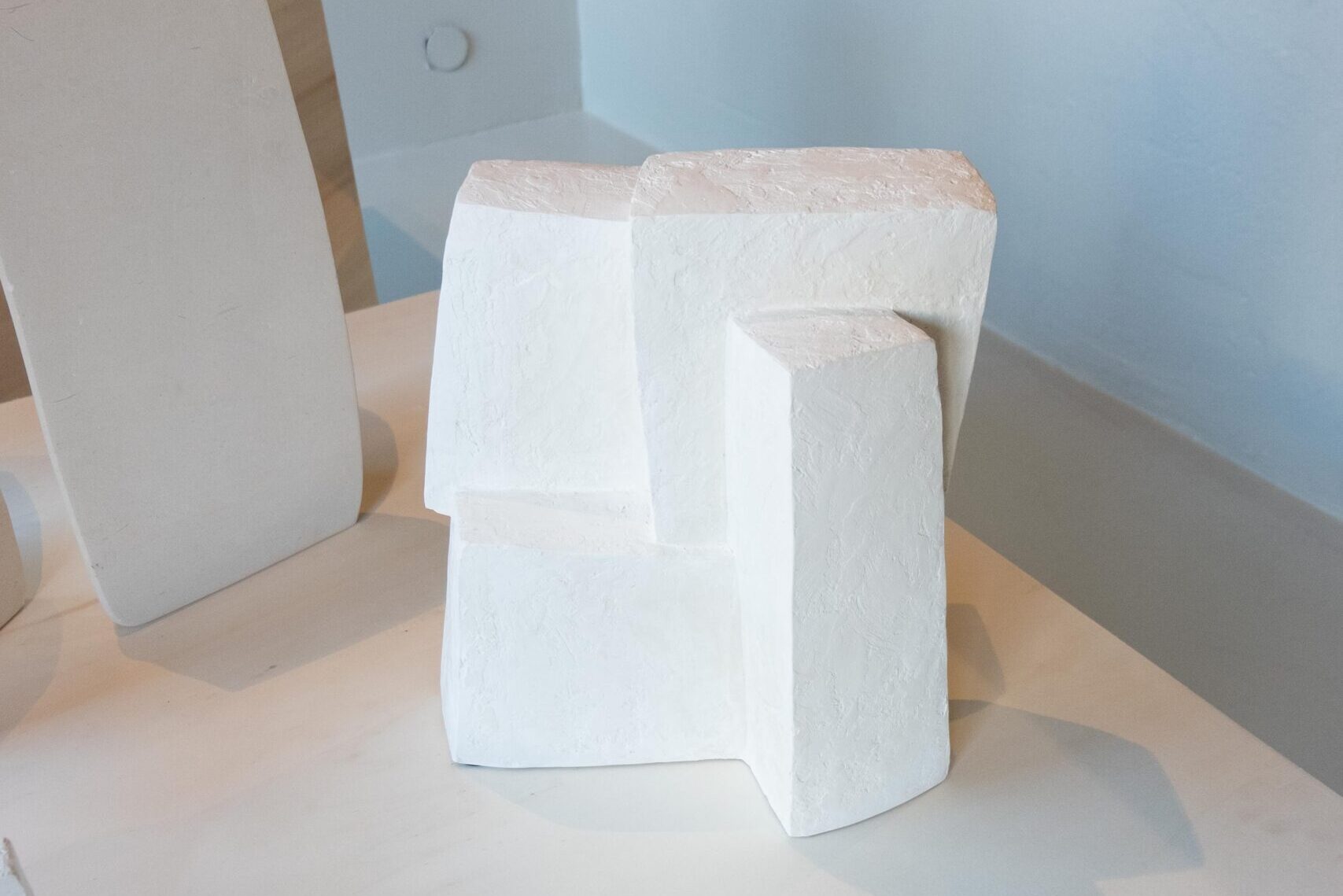
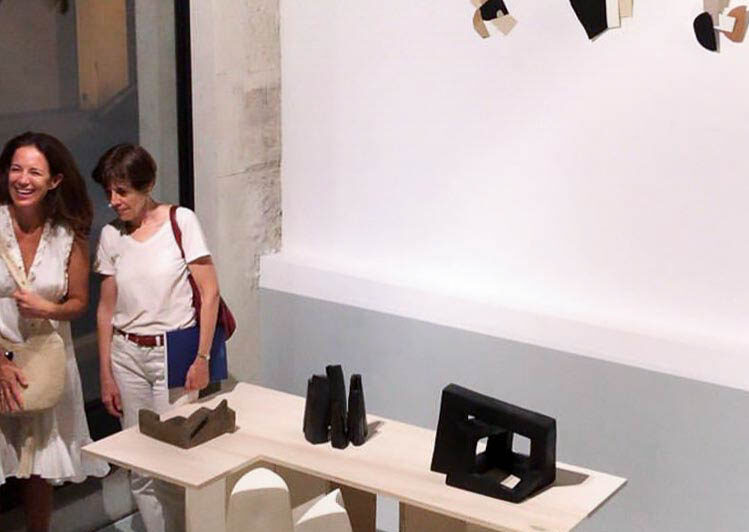
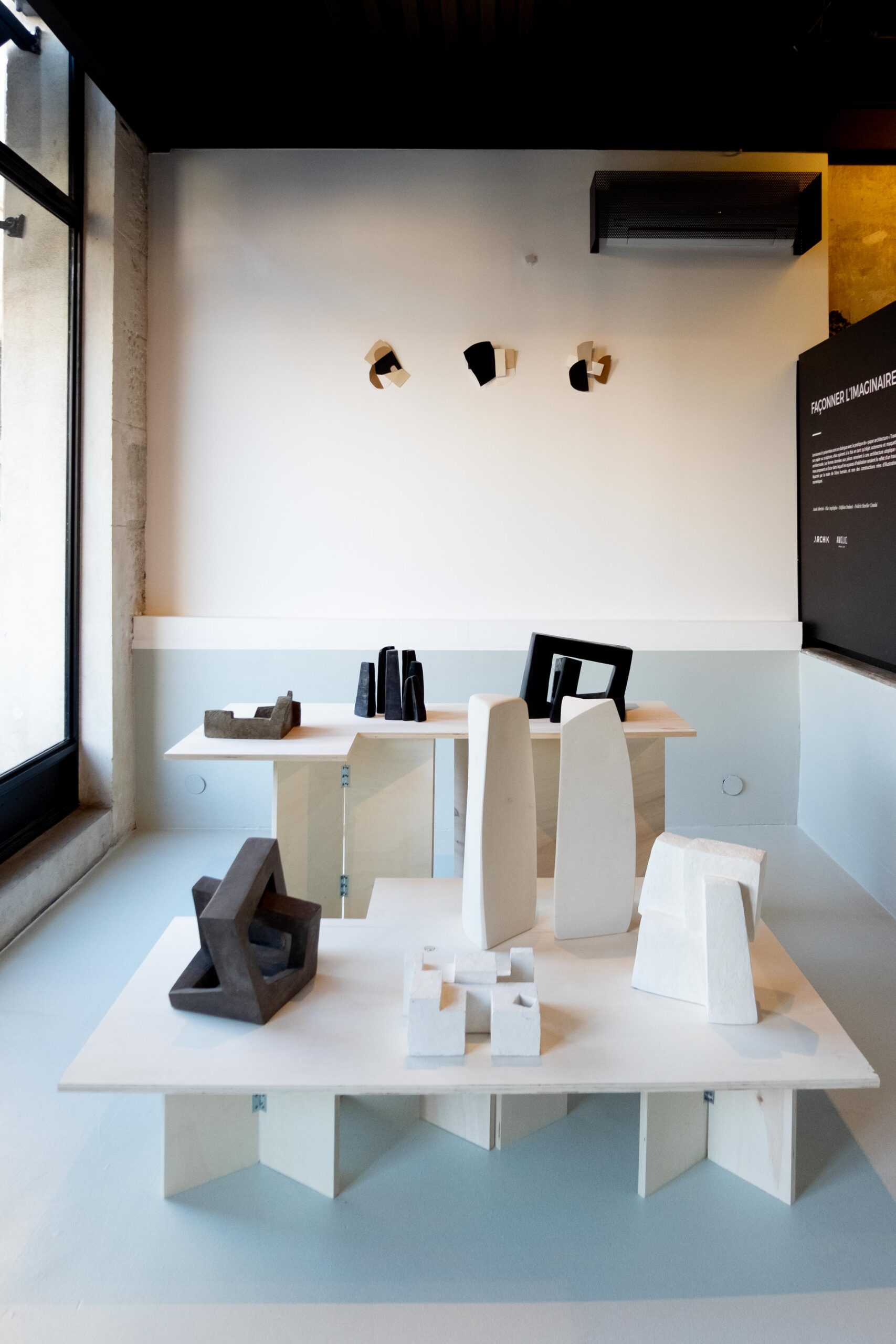
Pushing back the boundaries of art, craft and architecture, the sculptures and works on paper presented in “Shaping the Imagination” return us to this practice. Anouk Albertini’s series of monolithic buildings and natural biomorphic forms announce their relationship to the body with their titles “Family” and “Couple”. In parallel, Pilar Angeloglou’s constructions, like archaeological sites, are evocative of ancient and traditional architecture. Frédéric Heurlier Cimolaï’s work on paper, evoking mass plans, is intrinsic to his formal research on the proportions and modulations of space. Finally, Delphine Brabant’s radical constructions refer us to a monumental and brutalist architecture, communicating an expressive force to modernist and utopian currents.

Exhibited in the ARCHIK HOUSE, a place of work and creation around architecture, the pieces presented in “Façonner l’imaginaire” gain in autonomy and manifest their status as both objects and carriers of ideas.

Amelie Maison d'Art

“Since the beginning, our bias has been towards contemporary abstract art, which we feel is the strongest expression of the creative freedom of each artist who must create his or her own pictorial vocabulary.

Unlike figuration, abstraction also allows for an unlimited field of interpretation where the imagination of each artist is put to the test. Never seeing the same thing twice in a painting is the strength of abstraction.

We want to bring out a new generation of artists who deserve a prominent place in the art market.

Whether they are young or already present in prestigious collections, what all our artists have in common is their talent and the potential that our committee of experts recognises in them.

Our mission is to accompany them in their work, to increase their visibility, their notoriety and their rating.”

These conceptual drawings and models bear witness to a desire to imagine the world of tomorrow in the image of man, sometimes in opposition to the rationality of technology.

PRACTICAL INFORMATION

Dates

September – October 2019
at Maison ARCHIK Marseille

Exhibition curator

Cari Gonzalez-Casanova

Gallery website

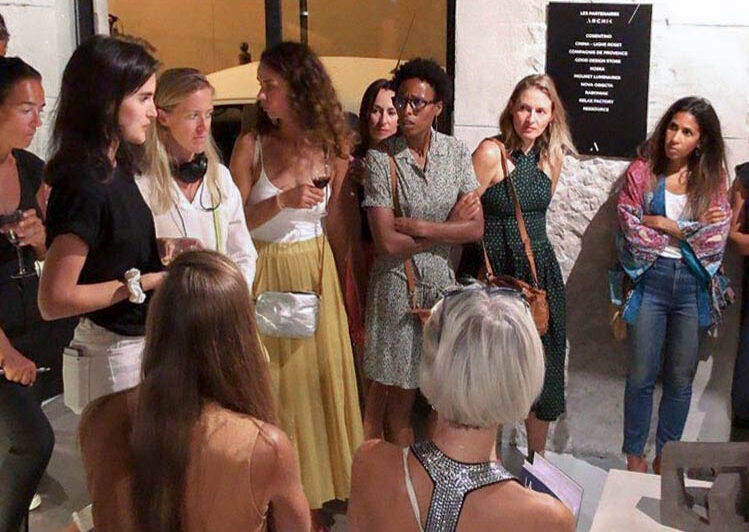
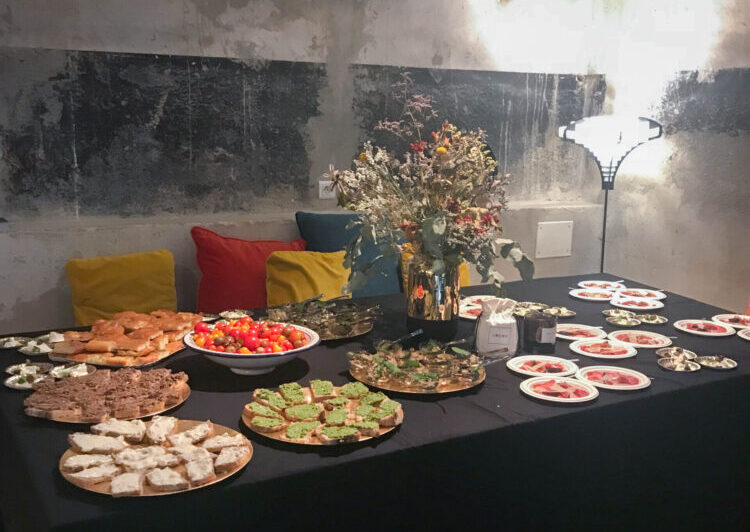
The Opening