
La Valentine

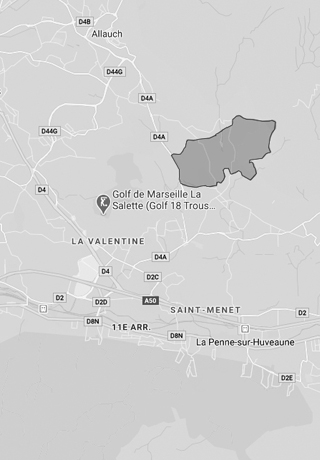
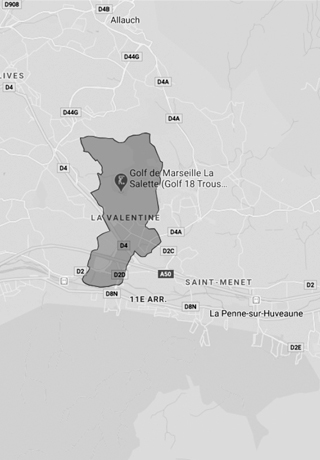
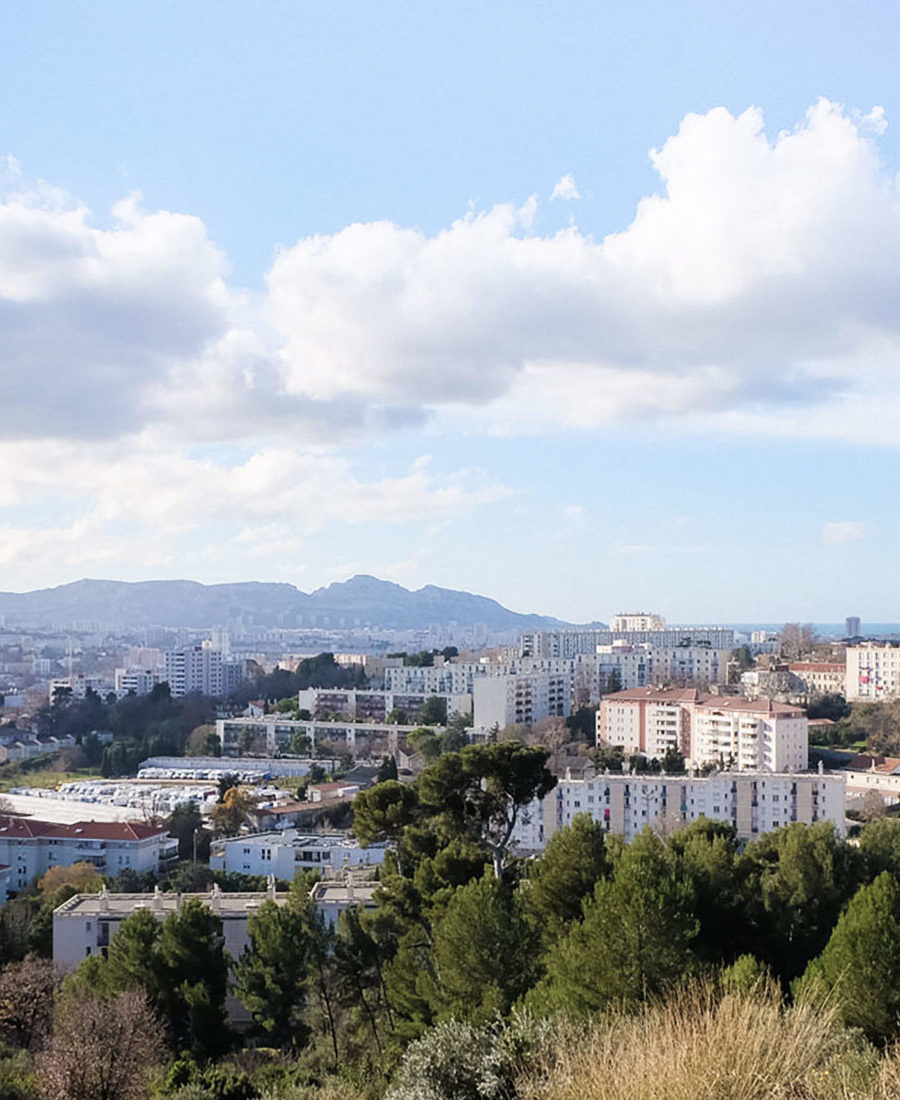
Known for its shopping malls, this district of Marseille's 11th arrondissement alternates between its two faces: the historic, traditional Valentine that revolves around the village, and the ultra-modern Valentine of the shopping areas.

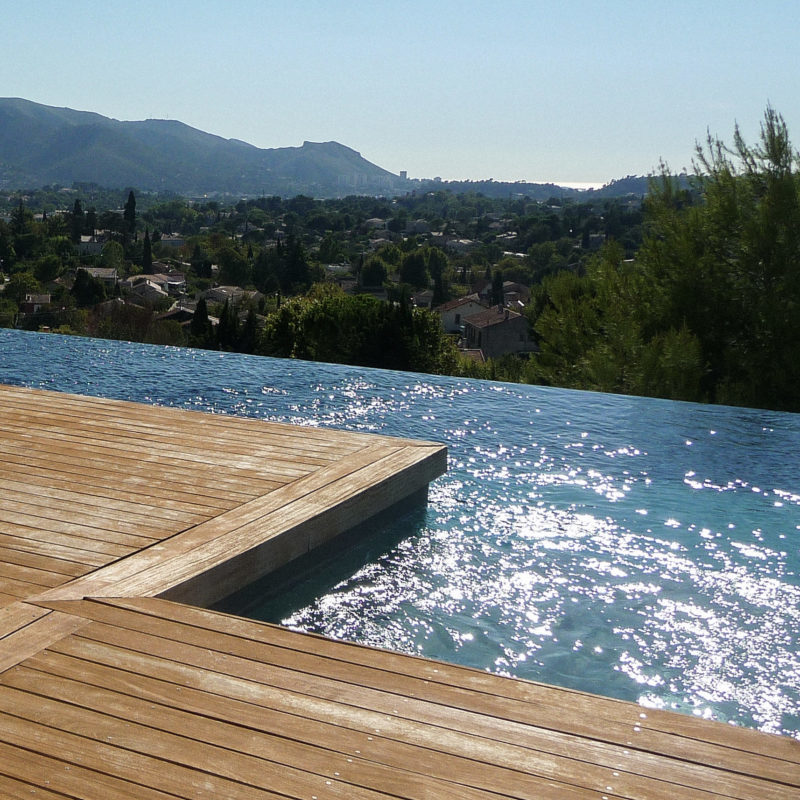
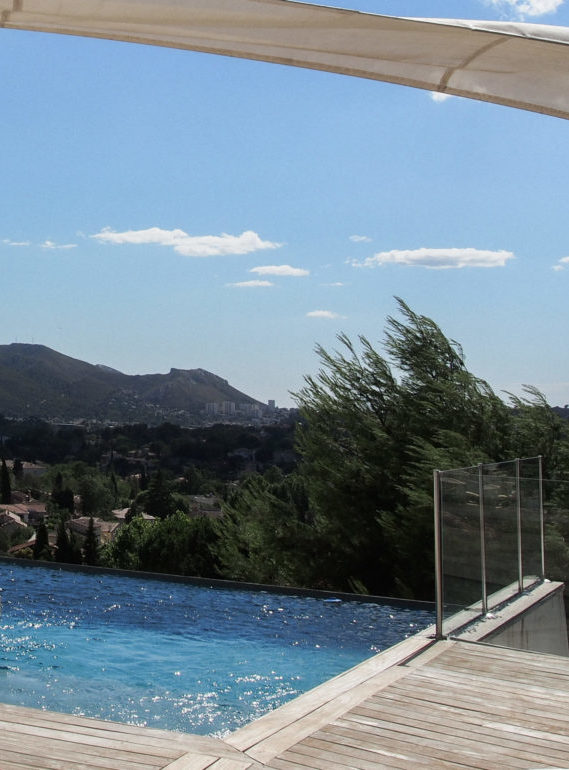
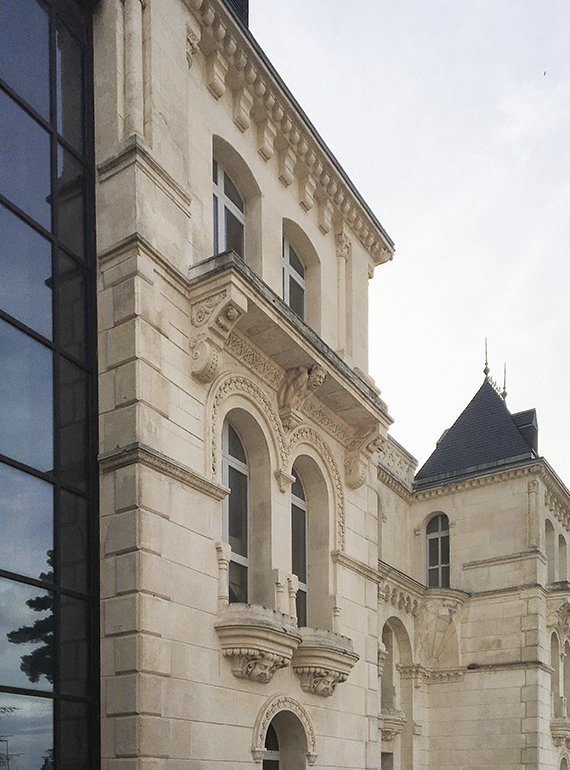
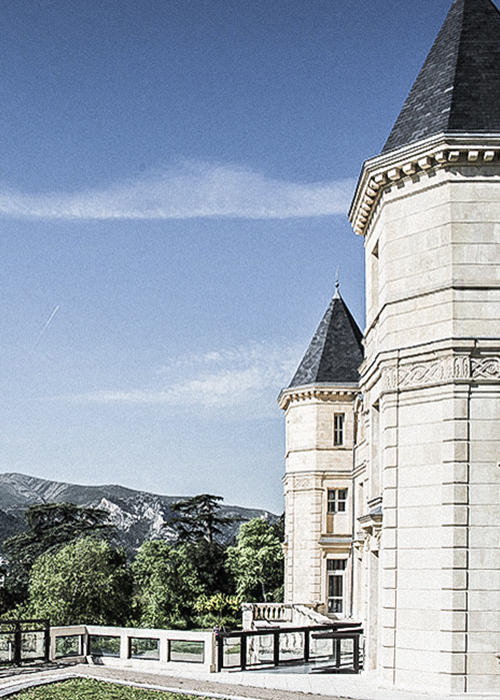
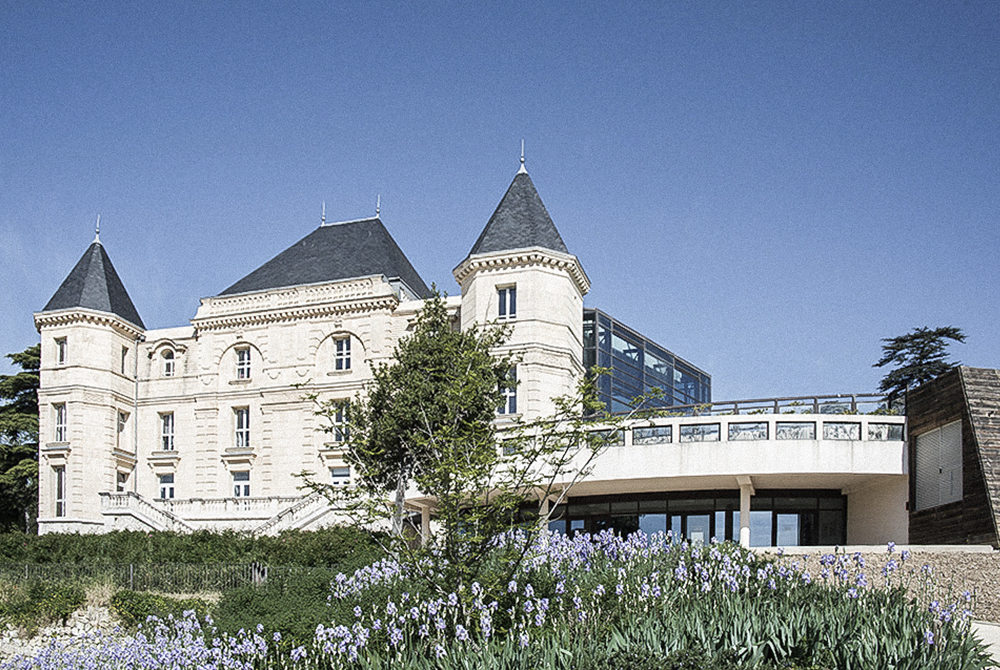
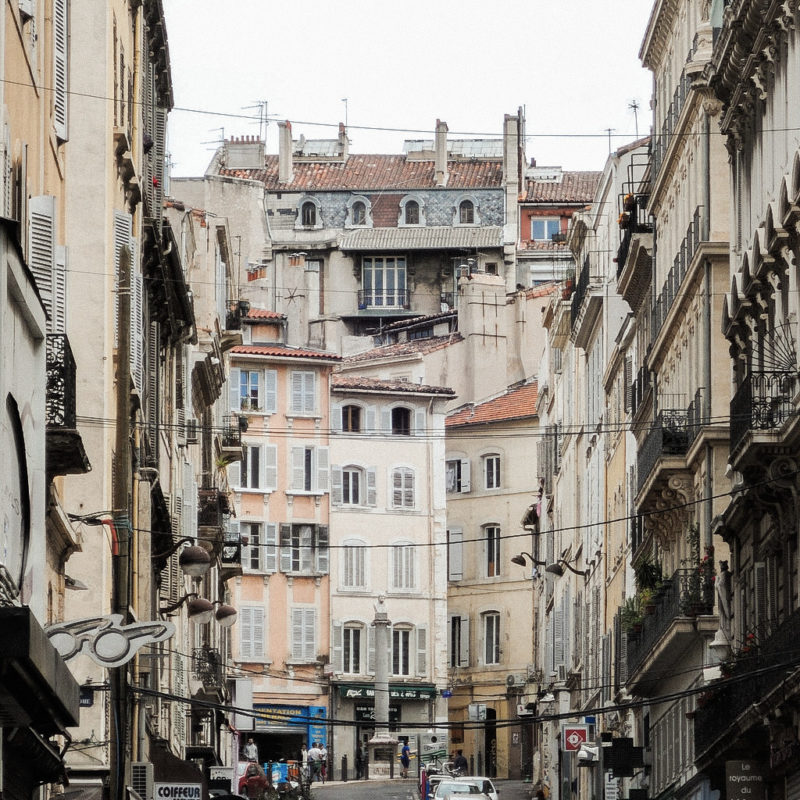
Nestled in the hinterland of Marseille, the district is surrounded by hills. In its historic village, the atmosphere is friendly and the picturesque alleyways invite you to take a stroll. The atmosphere is warm, with cafés and restaurants offering Provencal specialties. The Château de la Buzine and Pagnol’s Château Saint-Antoine dot the landscape.

Located in the heart of the village, the “Brewery of the Phoenix”, built in 1872 and still adorned with a bird from Egyptian mythology at the entrance to the administration building and brewhouse, is now owned by the Heineken group.

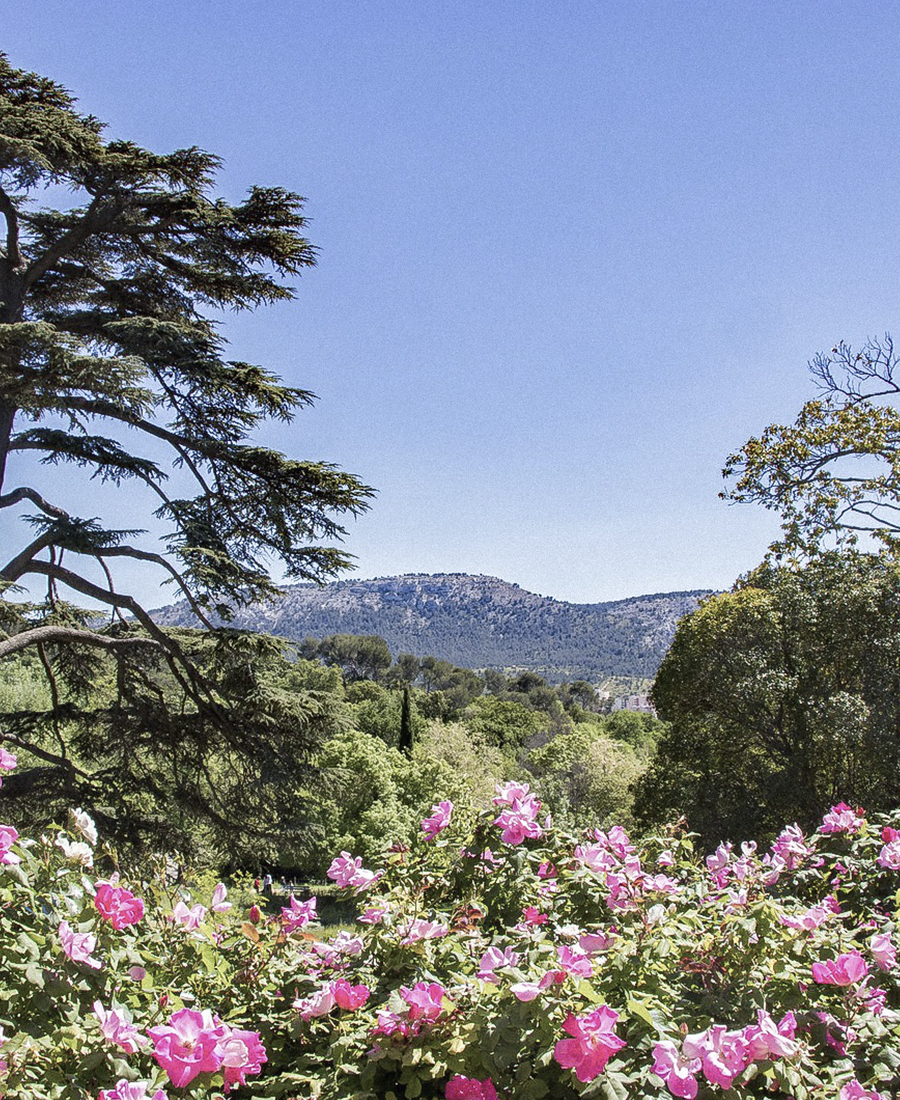
Nature lovers will be delighted by the proximity of the Étoile massif, offering magnificent hiking trails.

Montredon

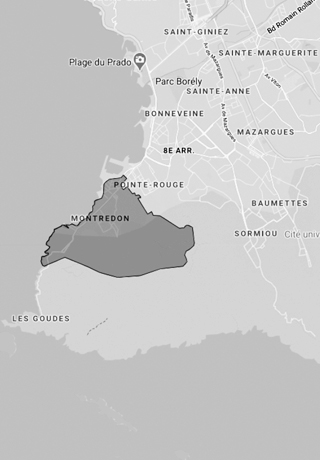
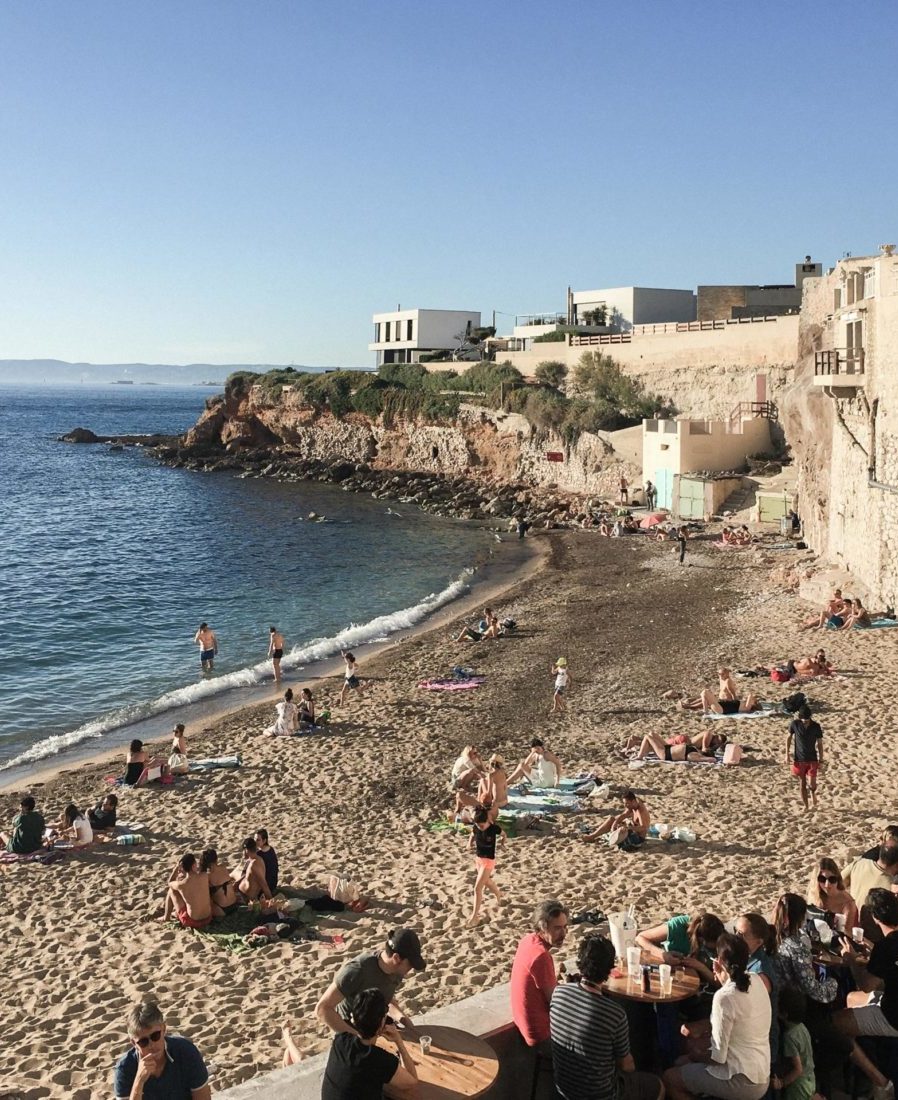
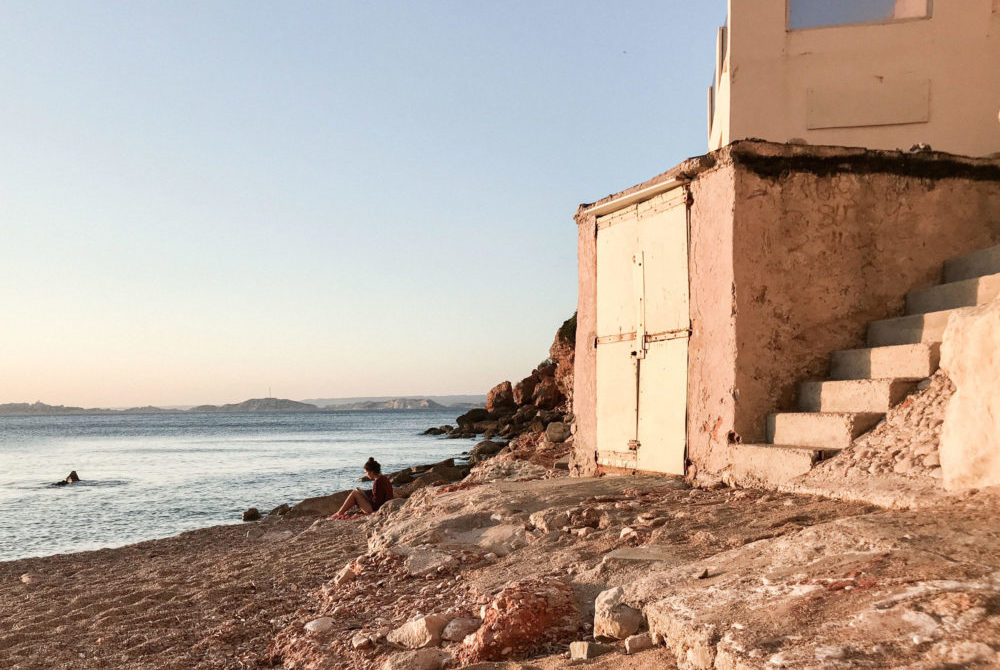
Close to nature, Montredon is ideally located between the sea and the garrigue at the end of the 8th district of Marseille.

Authentic and charming, the Montredon district is nestled at the southern end of the Cité Phocéenne, between the Pointe Rouge and the calanques. Crossed by the avenue de la Madrague de Montredon and its local shops, this residential area bordered by beaches and creeks has kept its character of a former fishing village.

The Parc Pastré, at the foot of the Calanques National Park, is a green space much appreciated by the inhabitants of Marseilles for its vast lawns, its horse riding centre and its double panorama of sea and hills. During their strolls, walkers can admire the Château Pastré, an architectural beauty completed in 1862 according to the plans of the architect Jean-Charles Danjoy. This Provençal bastide of stone and pink brick with rounded facades, which once belonged to a family of Marseilles notables, is the cornerstone of the local heritage.

Away from the town centre, the Montredon district was also an important industrial centre during the 19th century. Today, its old glassworks, marble factories and other factories are gradually being rehabilitated. A figure of the revival of Marseille’s culture, the Friche de l’Escalette has been home to an art centre for a few years now, including a sculpture and architecture park, and regularly offers exhibitions and tours.

Saint-Charles

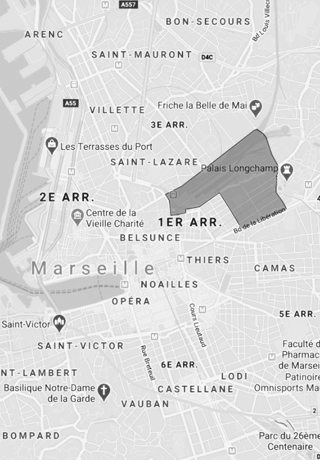
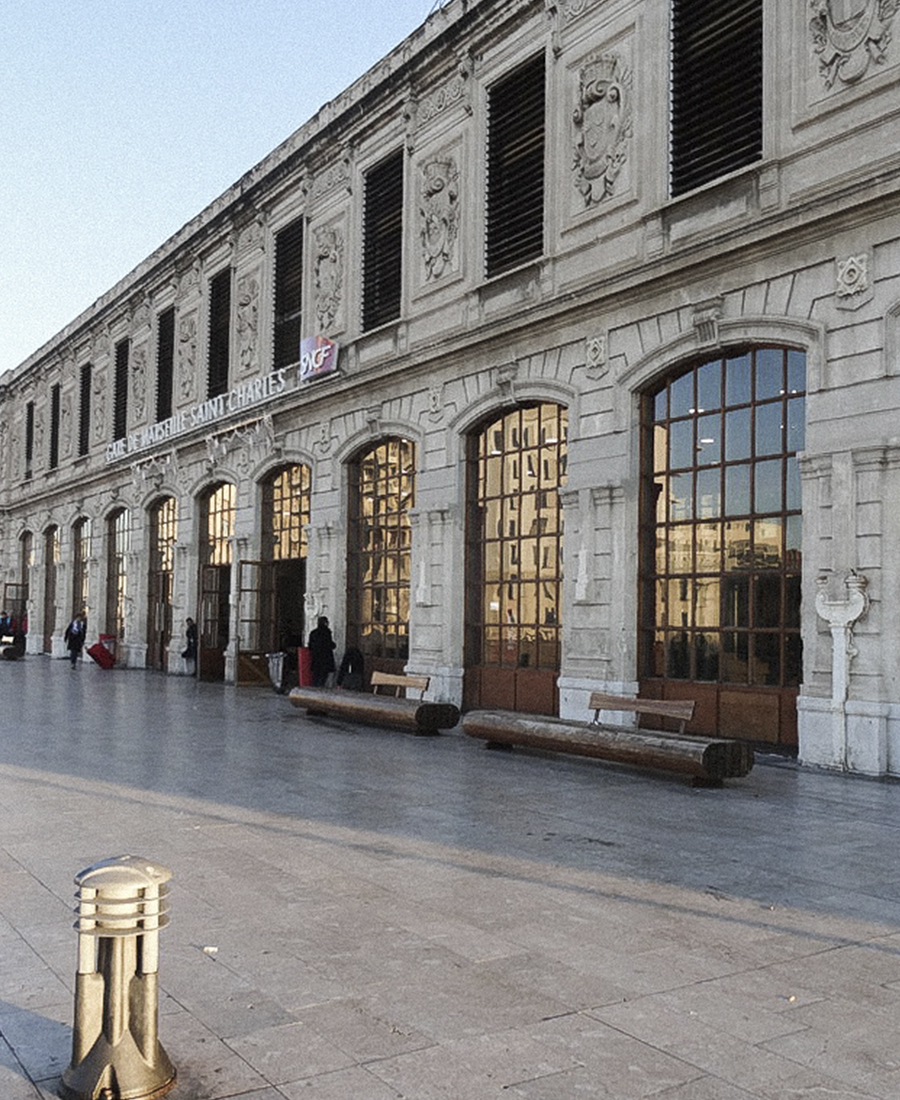
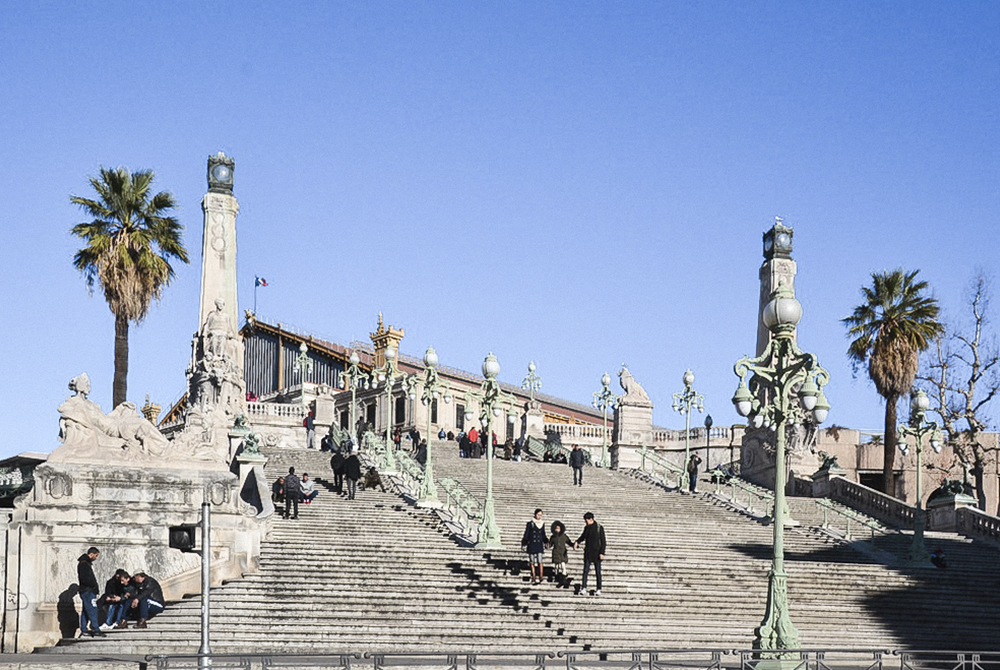
Located in the 1st arrondissement, the Saint-Charles district is right in the heart of Marseille, close to the eponymous train station. Bordered by the Noailles, Belsunce, Thiers and Arenc districts, it offers a lively, multicultural atmosphere.

As part of the Quartiers Libres urban development project, the Saint-Charles district is set to benefit from a new dynamic. Already undergoing a major transformation, the district is home to the Faculty of Law and Economics, as well as the new Marseille School of Architecture.

In addition to the railway station that bears its name, the district is very well served by public transport, as it is central.

The nearby Noailles market offers a wide variety of products.

Saint-Julien

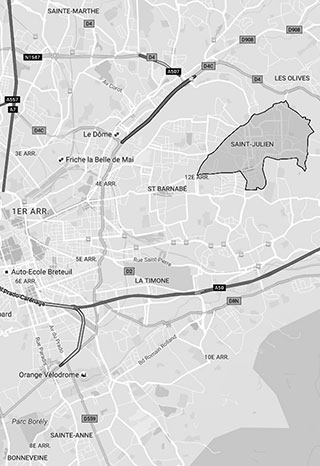
The Saint-Julien district is located between Saint-Barnabé, Montolivet and la Fourragère. It is a residential area that has preserved a rare quality of life.

In this village with its narrow streets, there are beautiful middle-class properties and many green spaces. It is centred around its church and overlooks the urban centre of Marseille and the sea in the distance. Popular with families for its natural beauty, it offers beautiful walks with panoramic views.

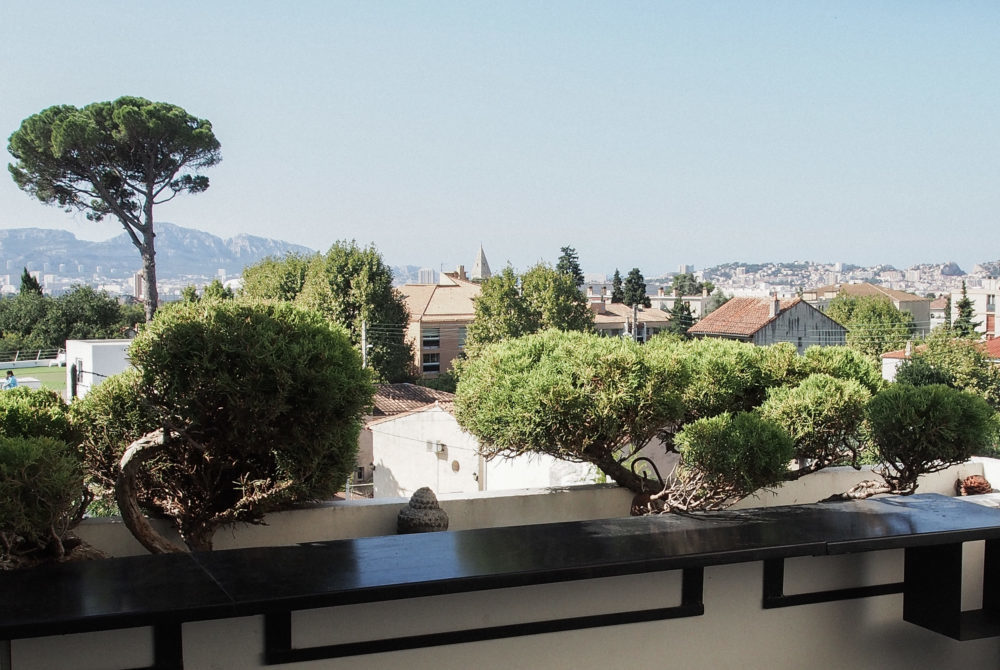
The residence Les Amaryllis, built in the 1970s, has the particularity of housing on its roof flats with vegetated terraces giving the impression of rooftop gardens.