
EUROPE

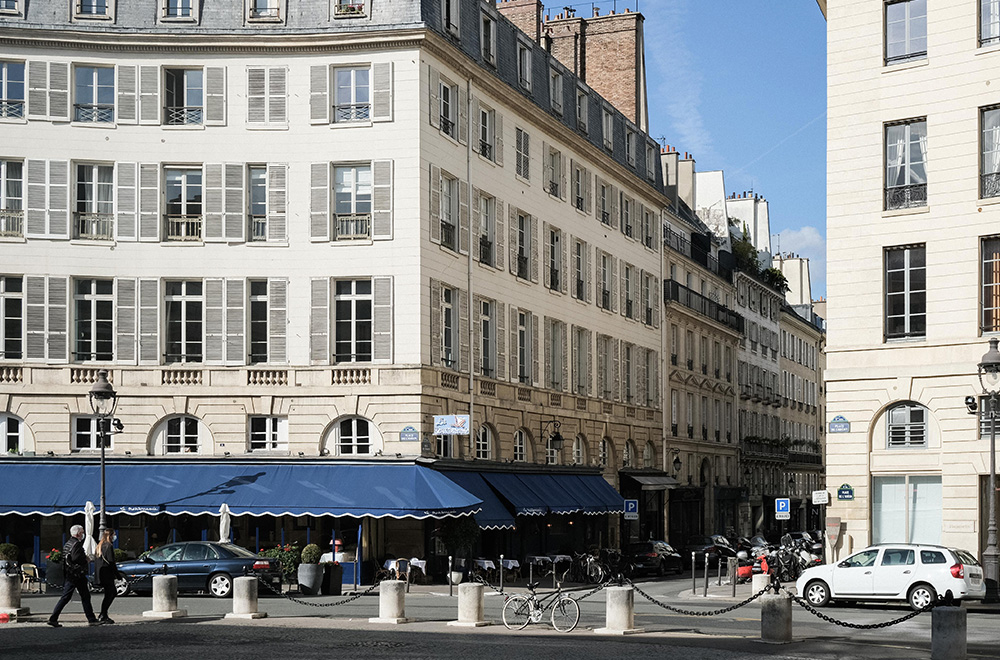
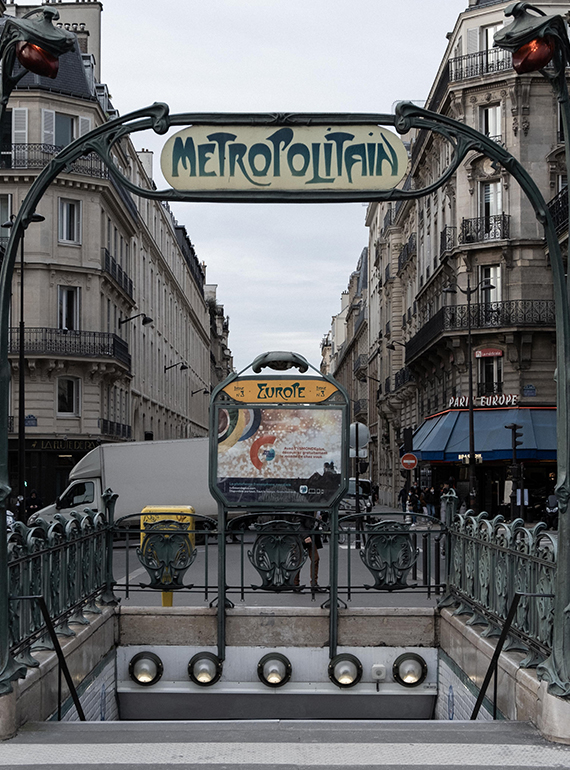
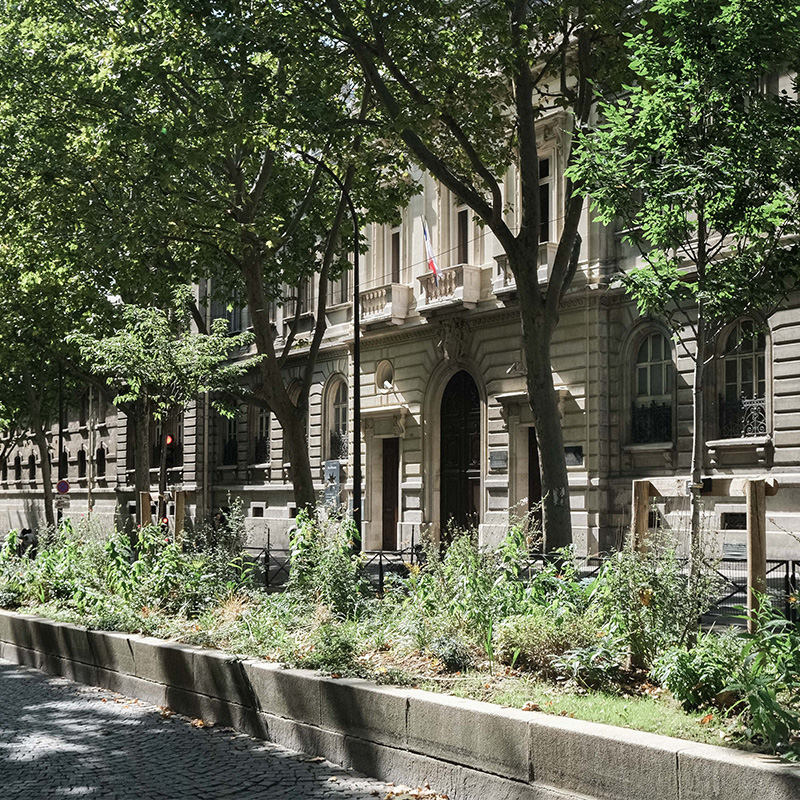
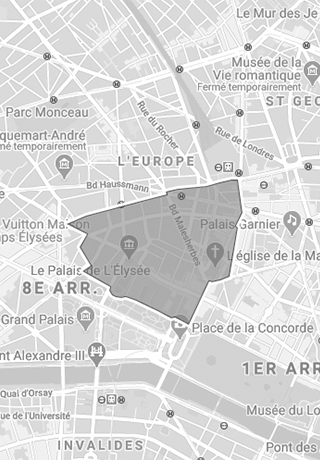
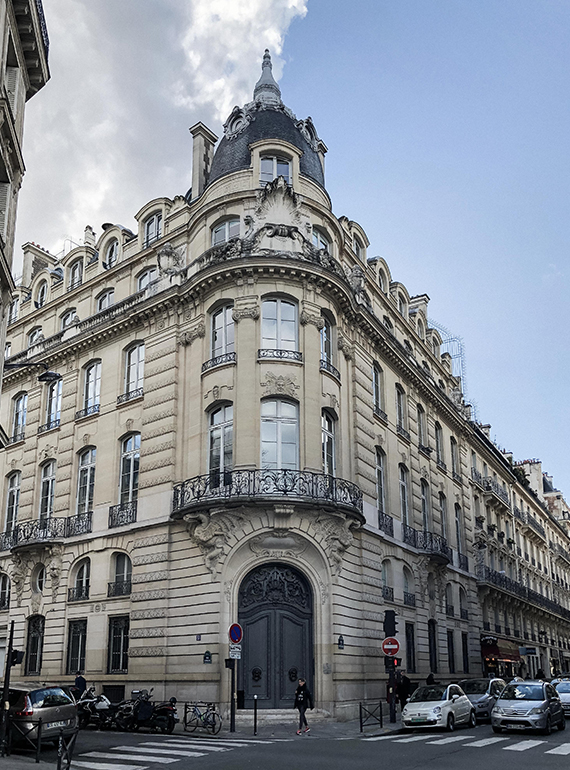
The 8th arrondissement, centred around the Place de l'Europe, many of its streets bear the names of European cities.
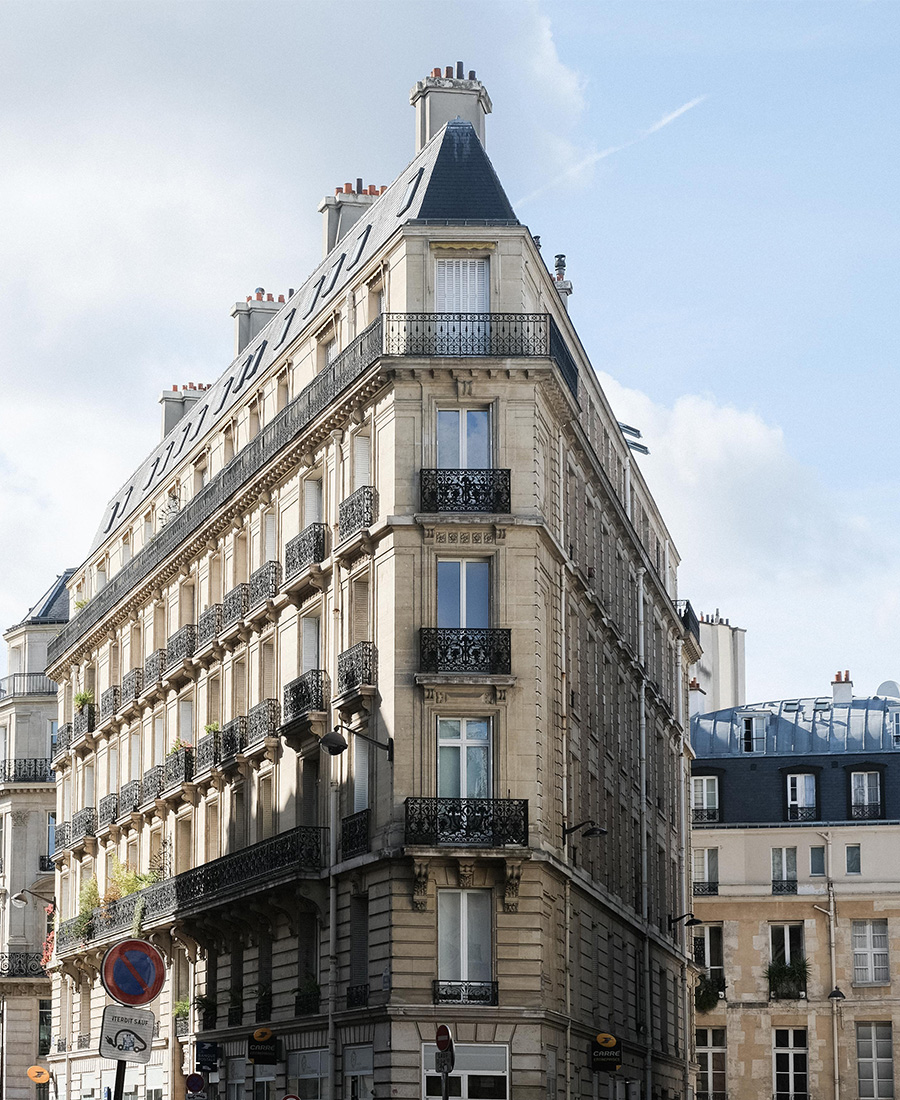
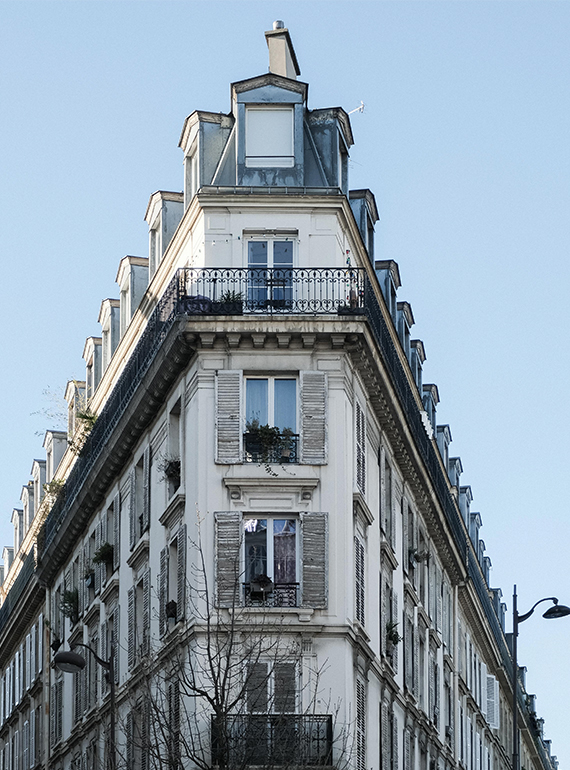
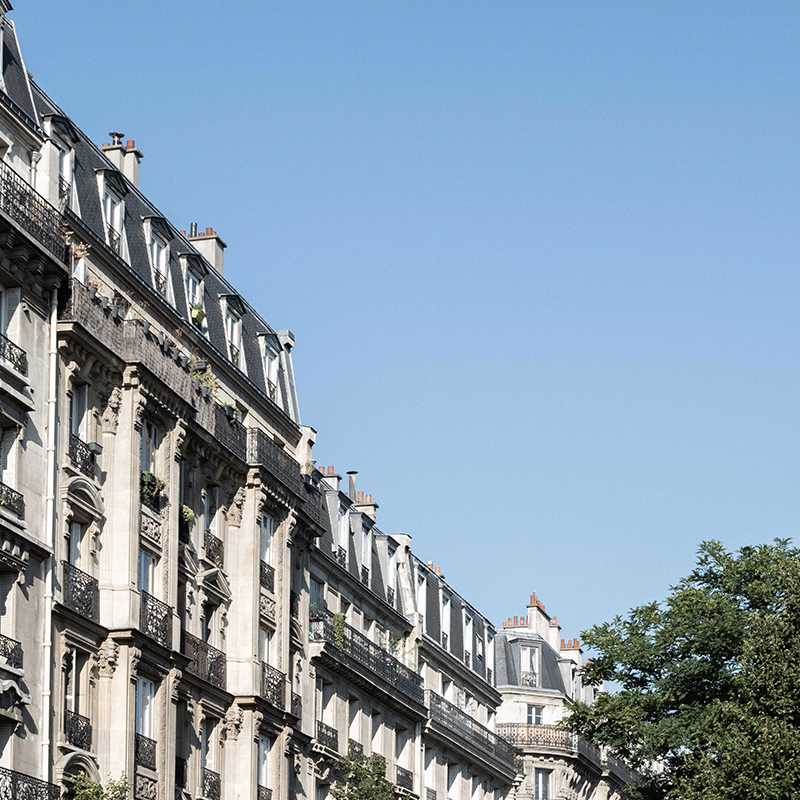
Rich in Haussmannian buildings and representative of the 19th century avant-garde, this district was a source of inspiration for many artists. Some famous paintings such as Monet’s “La Gare Saint-Lazare” or Caillebotte’s “Le Pont de l’Europe” are representations of it.

The Place de l’Europe is surrounded by a multitude of streets named after the European capitals of the time, taking us on a journey from Vienna to London, and from Constantinople to St Petersburg. In 2017, the Paris City Council decided to rename it “Place de l’Europe – Simone Veil” in homage to the politician who was the first President of the European Parliament elected by universal suffrage in 1979.

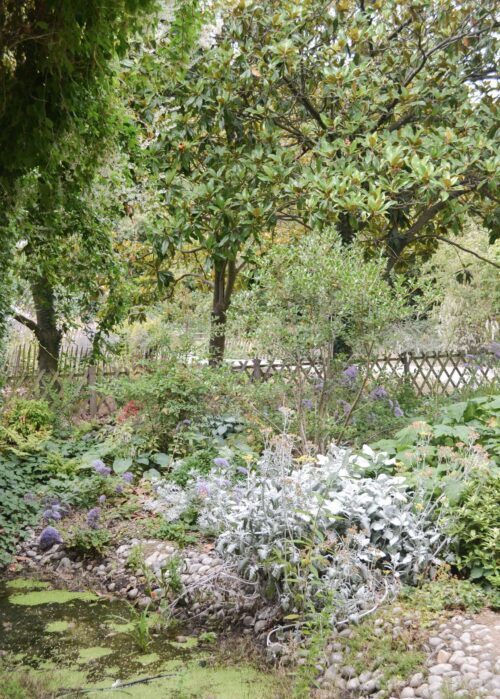
This sector, the most residential of the 8th arrondissement, is covered with green spaces and allows you to escape in the alleys of Marcel Pagnol Square and admire the statue of Paul Déroulède created by the sculptor Landowski.

Europe is also the district of the Regional Conservatory of Music. The rue de Rome is home to a multitude of music and instrument shops, and violin making workshops, making musicians from all over the capital happy.

archik-immobilier-paris-cityguide-04

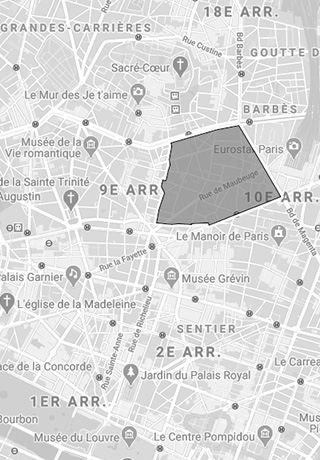
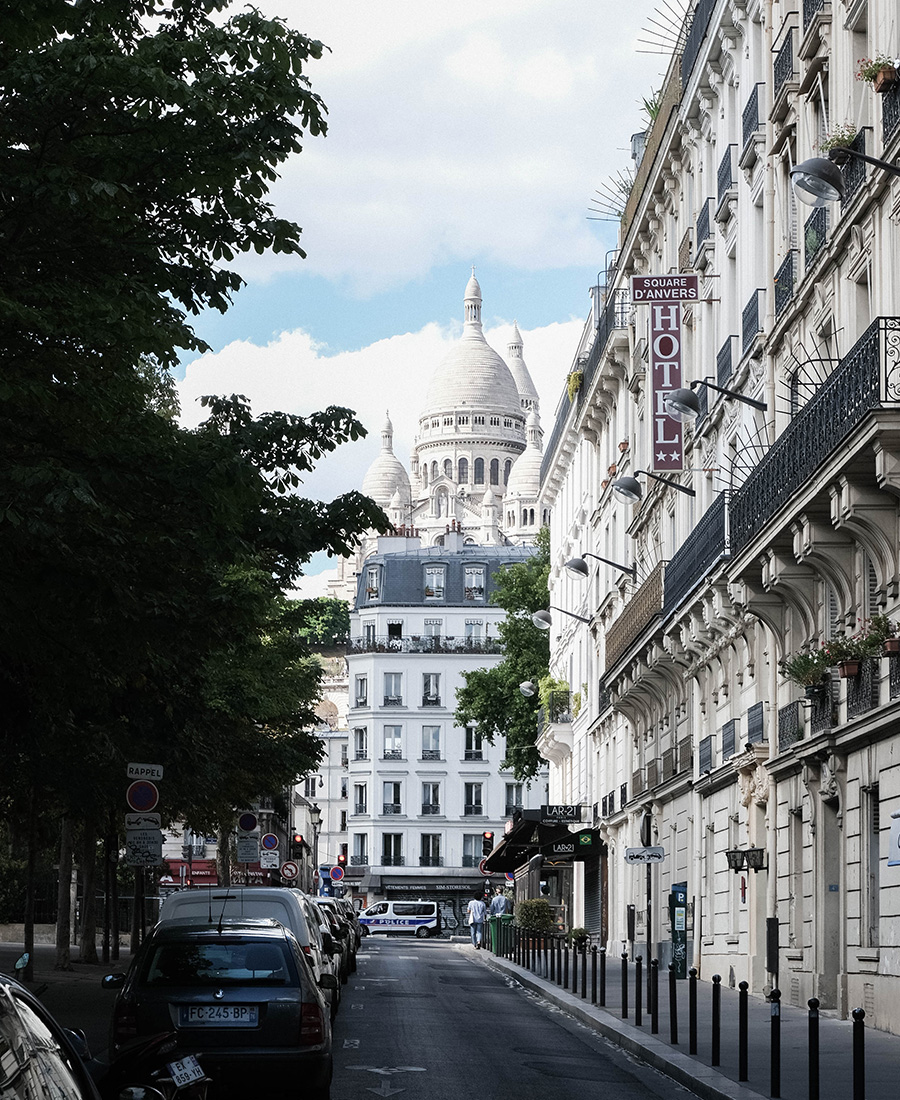
TRUDAINE I MAUBEUGE

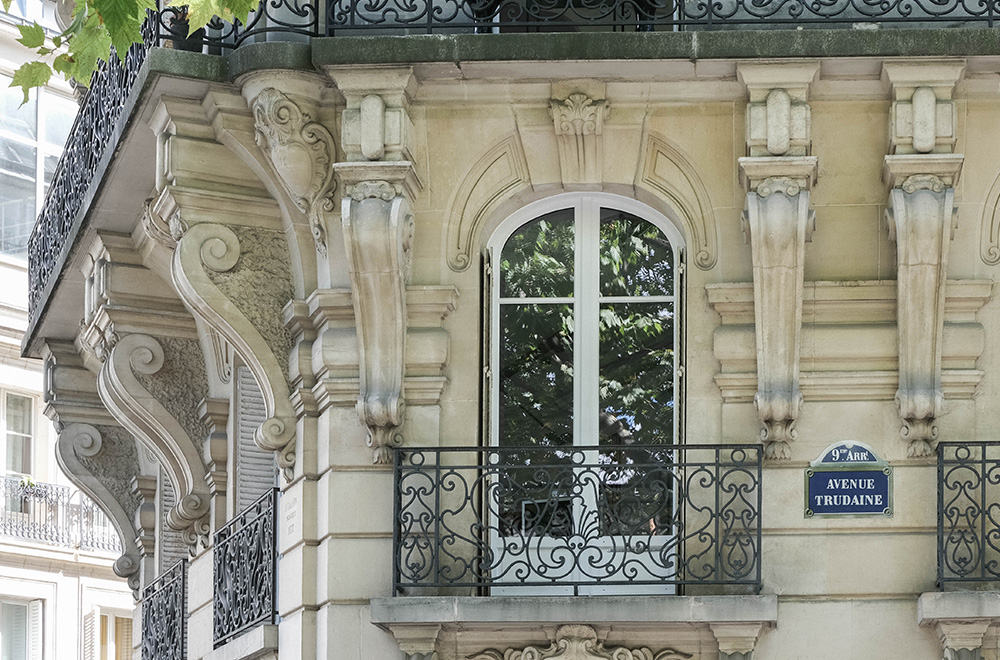
Crossed by the Avenue Trudaine and the Rue de Maubeuge, this lively district is also called the Rochechouart district, after the abbess of Montmartre, Marguerite de Rochechouart de Montpipeau.

Although it was originally a food district, due to the Rochechouart slaughterhouse built in 1810, it later became an industrial district with the installation of the first gasometer in the capital, located south of rue Pétrelle. It was in this district that the first working-class housing estate in the capital, called Cité Napoléon, was built between 1849 and 1851 and is now a listed building.

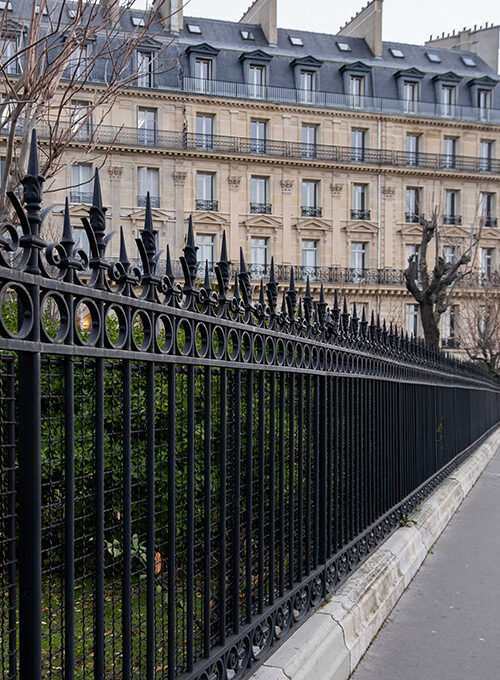
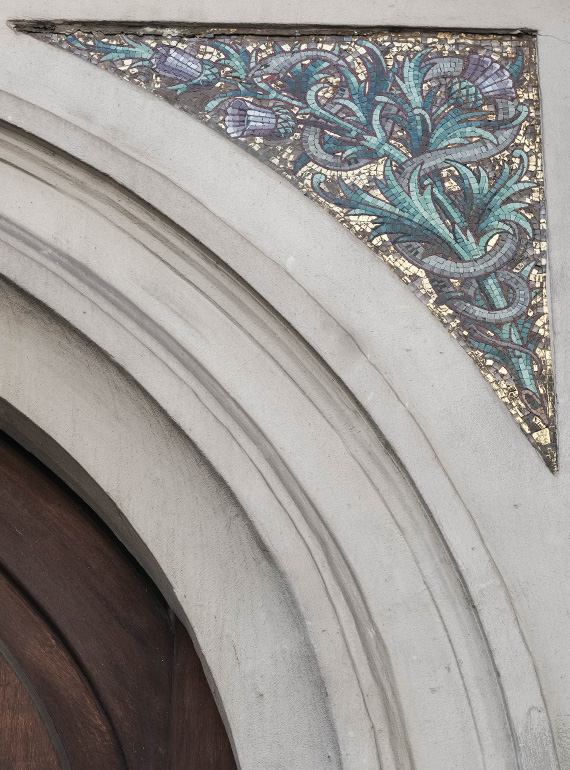
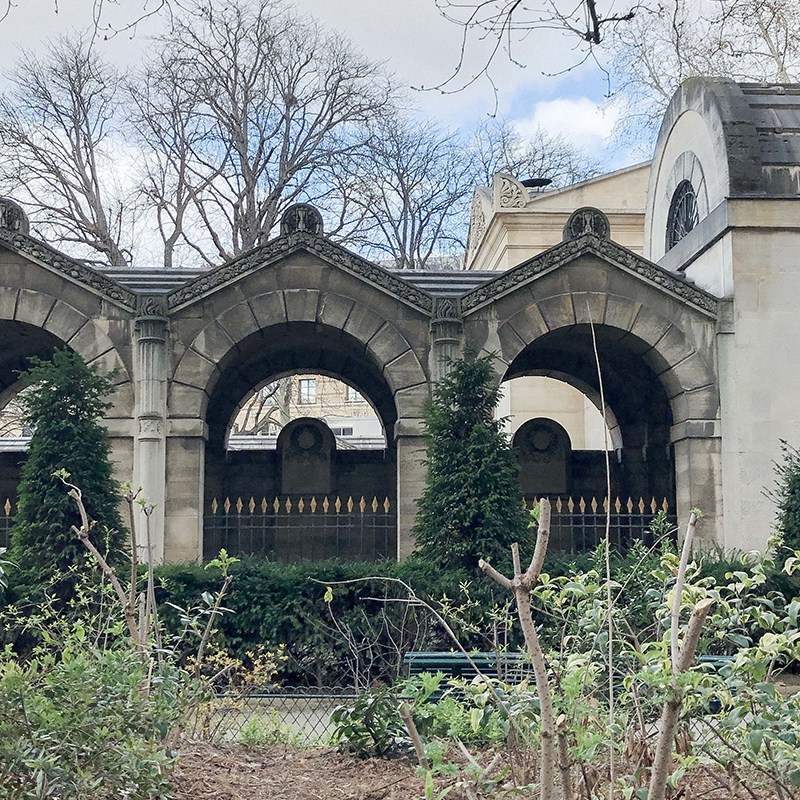
The district became very fashionable during the Belle Époque and has several intact examples of late 19th century architecture. Square Montholon in particular, the largest green space in the 9th arrondissement designed by Adolphe Alphand. Surrounded by Louis-Philippe style cast iron gates – the work of the founder Christophe-François Calla – they are the only remains of the original square. Also worth seeing are the two hundred-year-old Oriental plane trees planted on the central lawn.

QUARTIER-PARIS-TRUDAINE-4

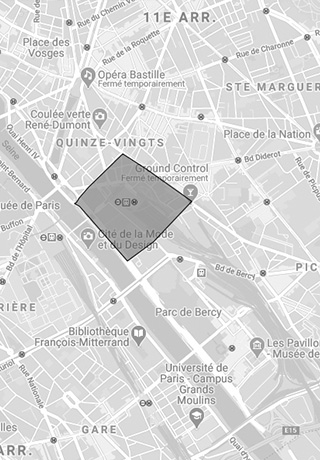
GARE DE LYON

More than a transit area, the Gare de Lyon district boasts a rich architectural heritage and trendy addresses shared by workers and families.

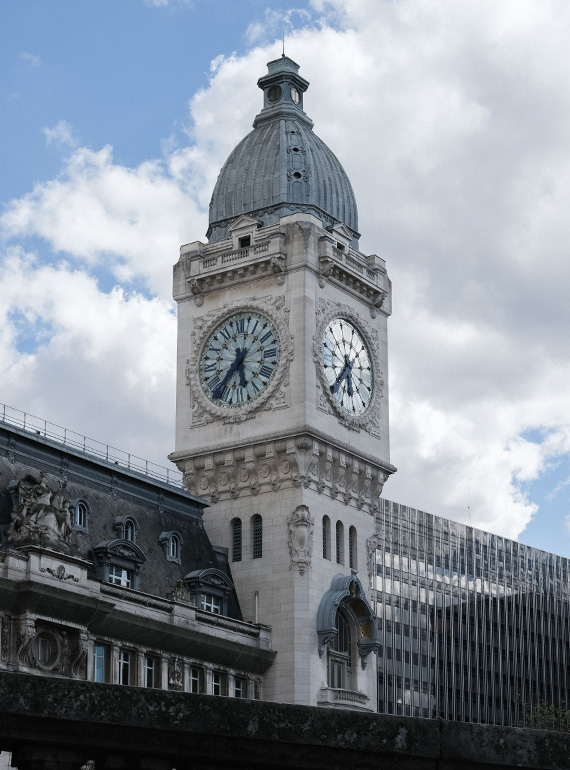
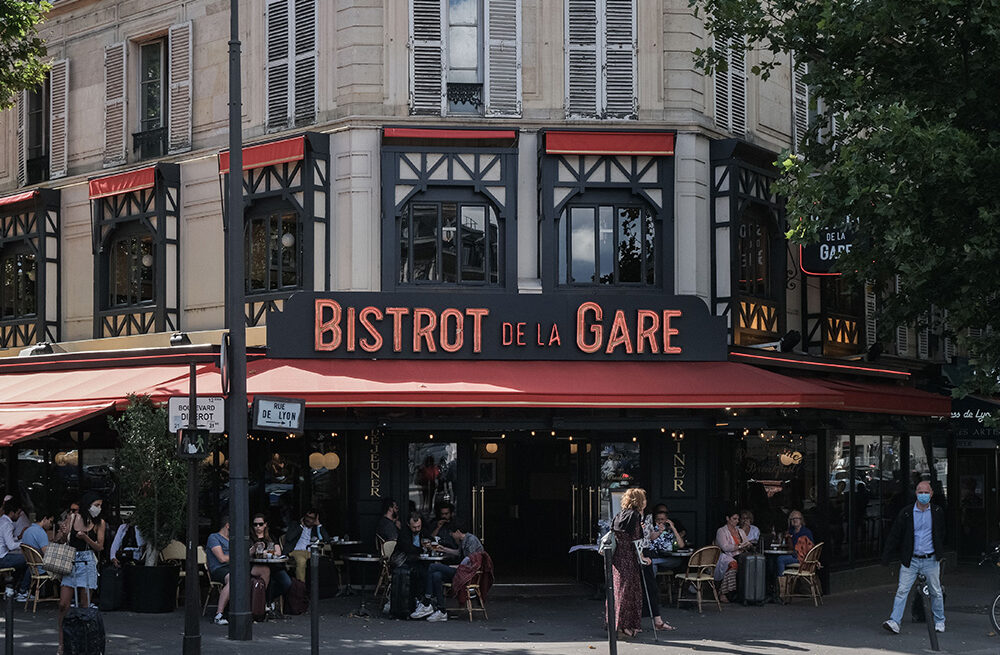
Built in 1900 as part of the Universal Exhibition, famous for its belfry otherwise known as the clock tower, the Gare de Lyon is the epicenter of this district with its great architectural diversity.

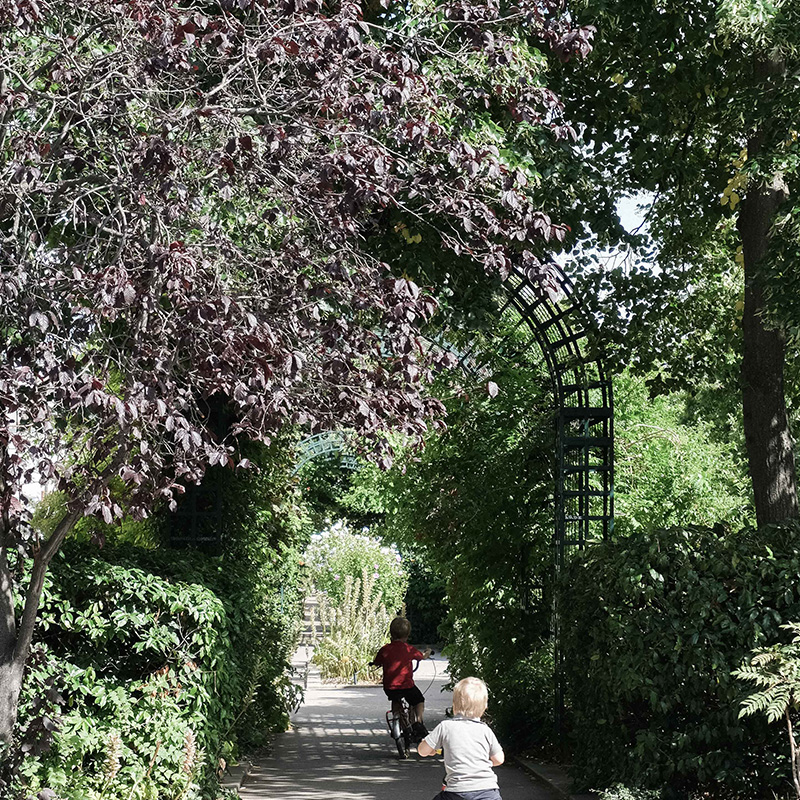
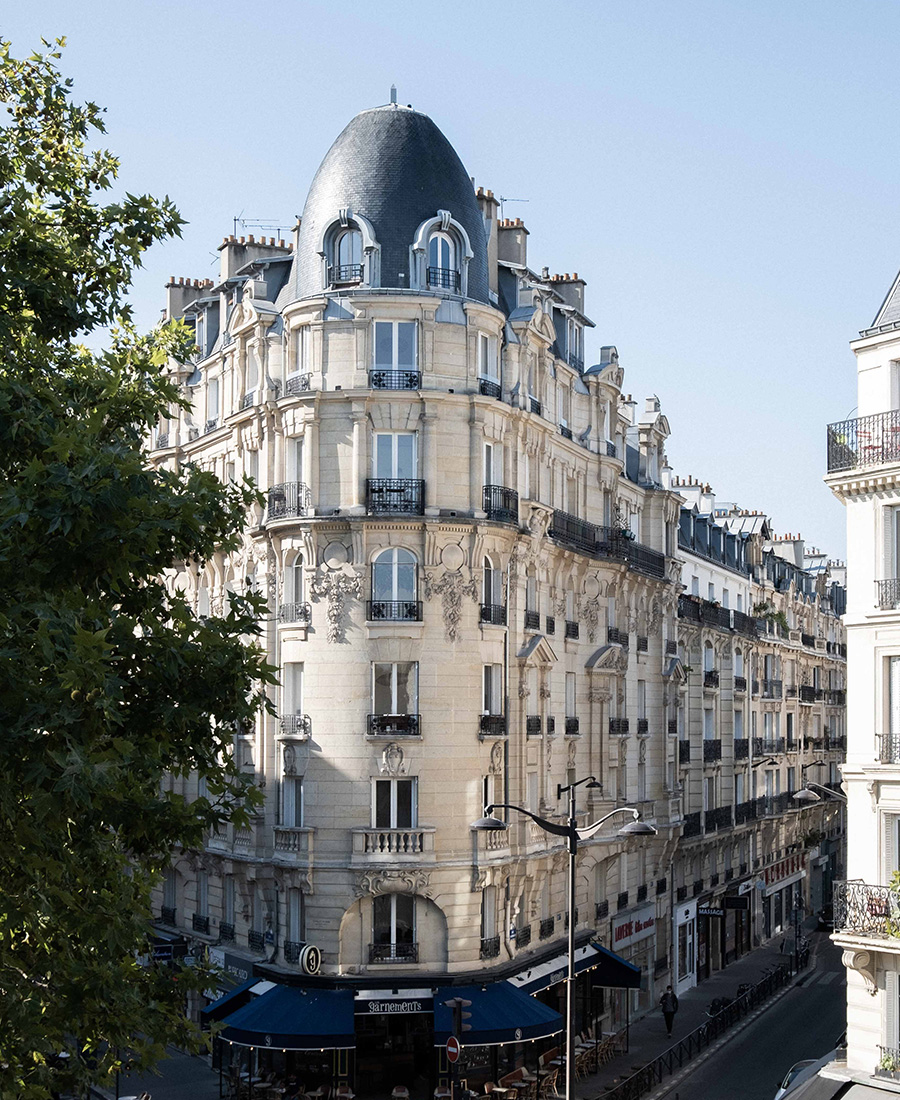
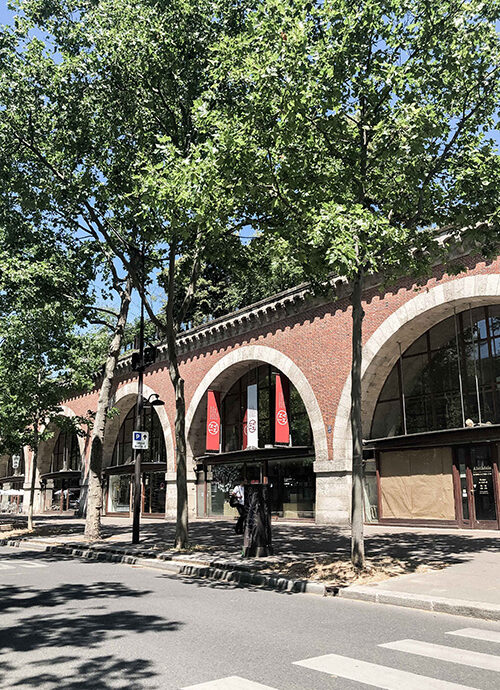
There are indeed opulent buildings in the Haussmann style, office buildings barely out of the ground, facilities from the 80s and 90s, including working-class housing estates from the beginning of the 20th century. Crossed by the Coulée Verte built on the old railway line of the Vincennes train, it is a refreshing walk in the middle of the roofs of the city. Under the arches of the viaduct, craftsmen and artists share the vaults to express their talents.

Finally, not far from the Gare de Lyon is also rue Crémieux, recognizable by its cute little colorful houses that delight Instagrammers…

QUARTIER-PARIS-GAREDELYON-4
QUARTIER-PARIS-GAREDELYON-5

MADELEINE I ÉLYSÉE

The famous Madeleine district, in the heart of the 8th arrondissement, symbolizes the French way of life.

The name of the district originates with the construction of the Church of the Madeleine in a neo-classical architectural style, resembling a Greek temple. Located on its solemn rectangular square, this place offers an exceptional setting.

It is also an important political center with the presence of remarkable buildings such as the Élysée Palace, the Hotel Beauvau or the United States Embassy.

District coveted for its central location, for its cultural and architectural richness. High standing apartments are very popular with Parisians. Numerous brands, boutiques, restaurants and delicatessens line the typically Haussmannian streets and offer a most prestigious living environment.

HÔPITAL SAINT-LOUIS

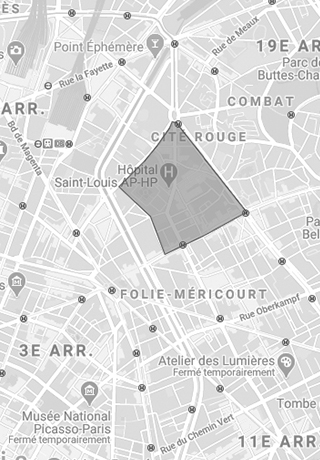
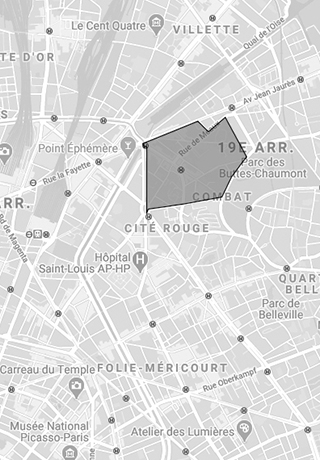
Located in the north of the 10th arrondissement, the Hôpital Saint-Louis district is near the Saint-Martin canal and the 19th arrondissement.

The district takes its name from the Saint-Louis hospital situated north of rue Bichat. Claude Chastillon under the aegis of Henry IV, signs this classical architecture which is often compared to the famous Place des Vosges. In the 1970s, modernization projects were carried out in this urban landscape by the architects Badani and Roux-Dorlut.

The laid-back terraces of thriving businesses lend a sense of lightness to the bustling streets. Privileged location in the center of Paris, residents benefit from the many nearby attractions. The dynamism of the district makes it a popular place and very well served by transport.