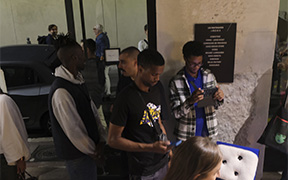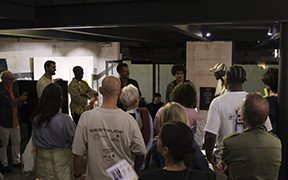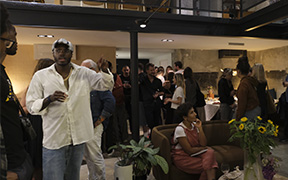
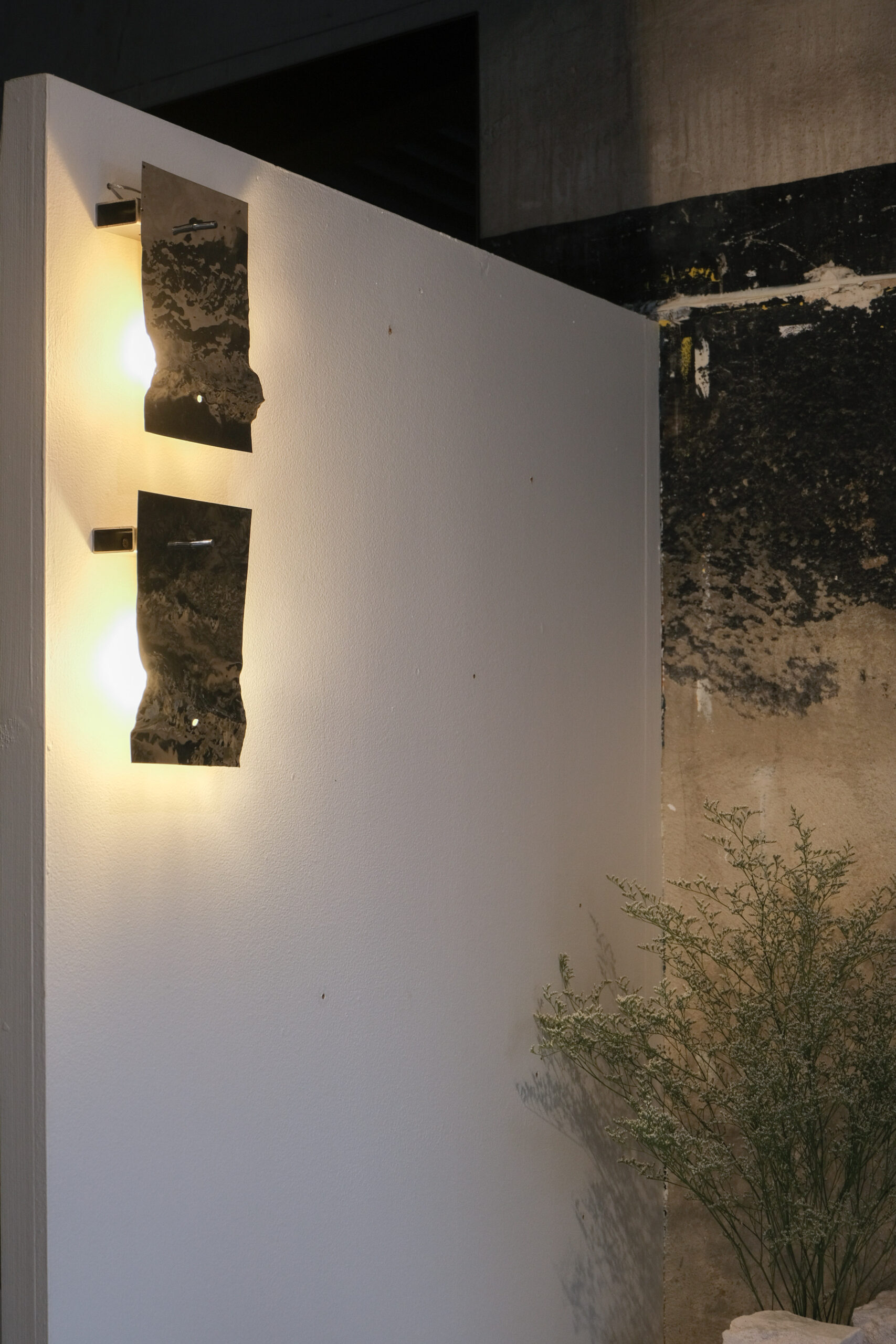
AMCA OVAL

June – August 2023

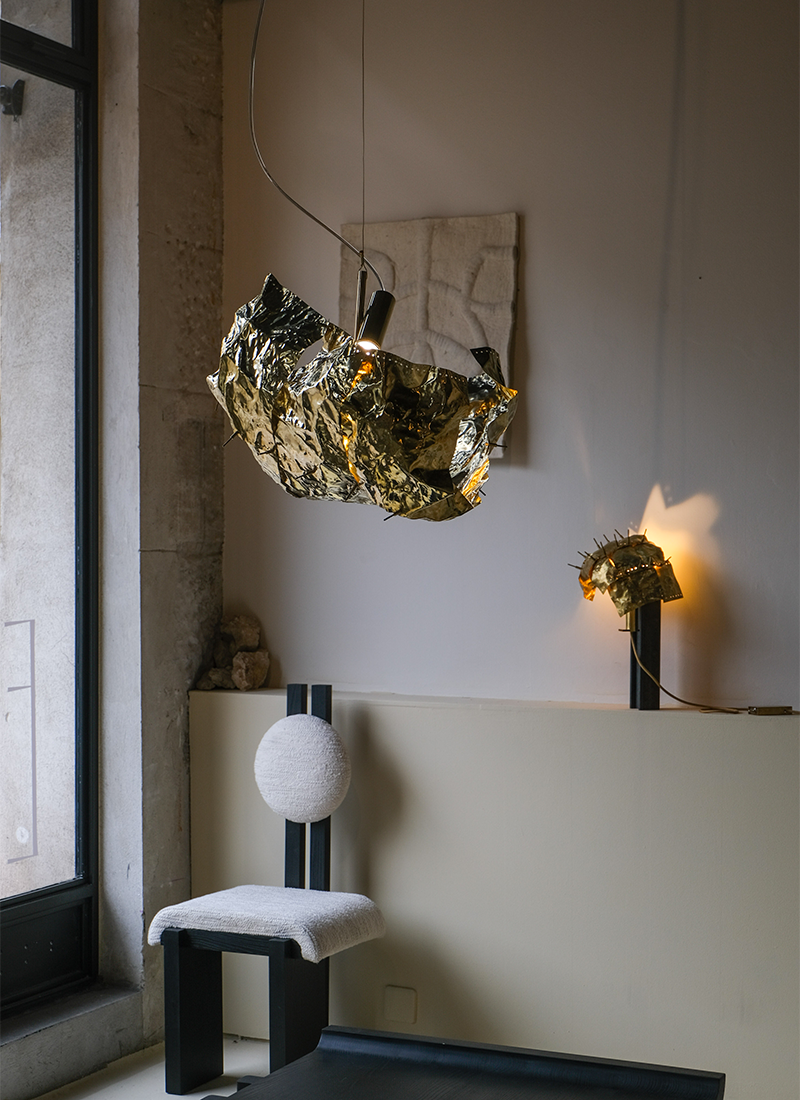
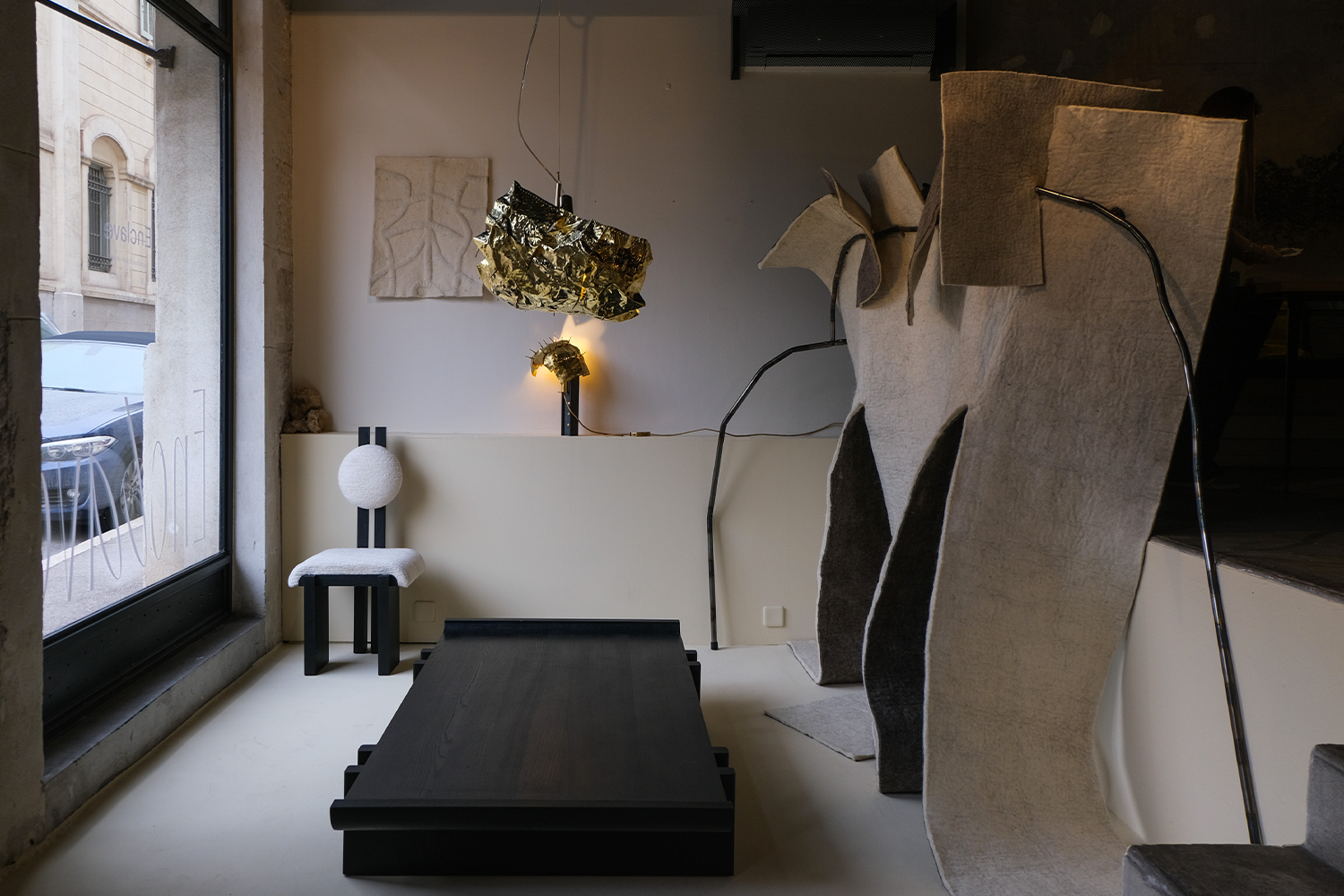
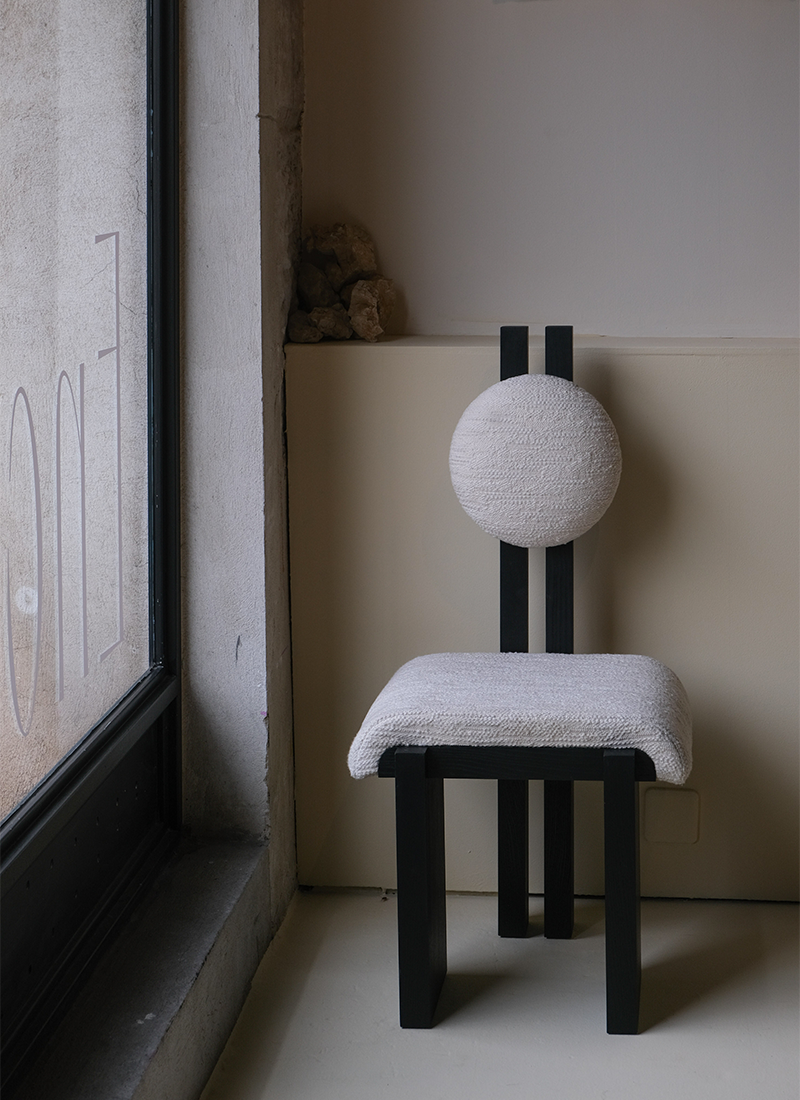
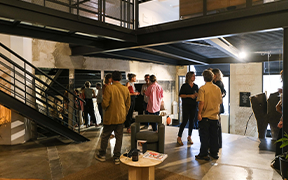
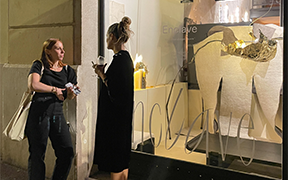
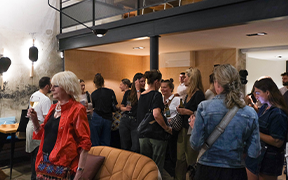
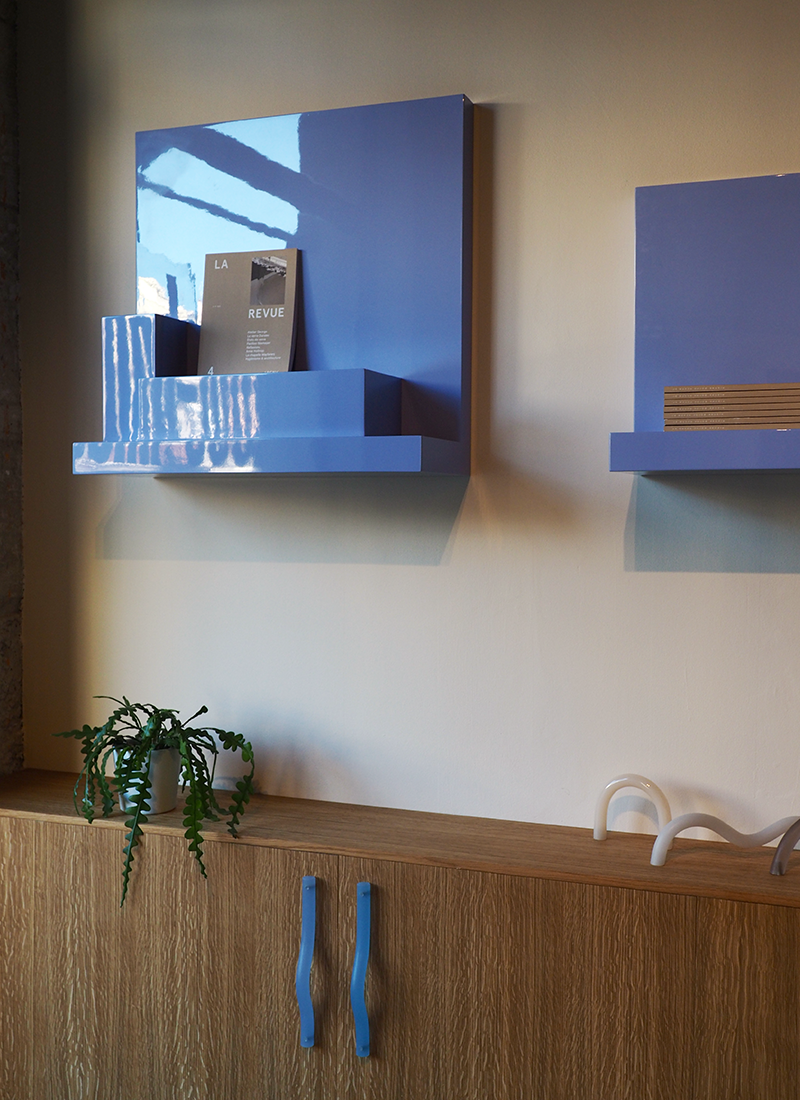
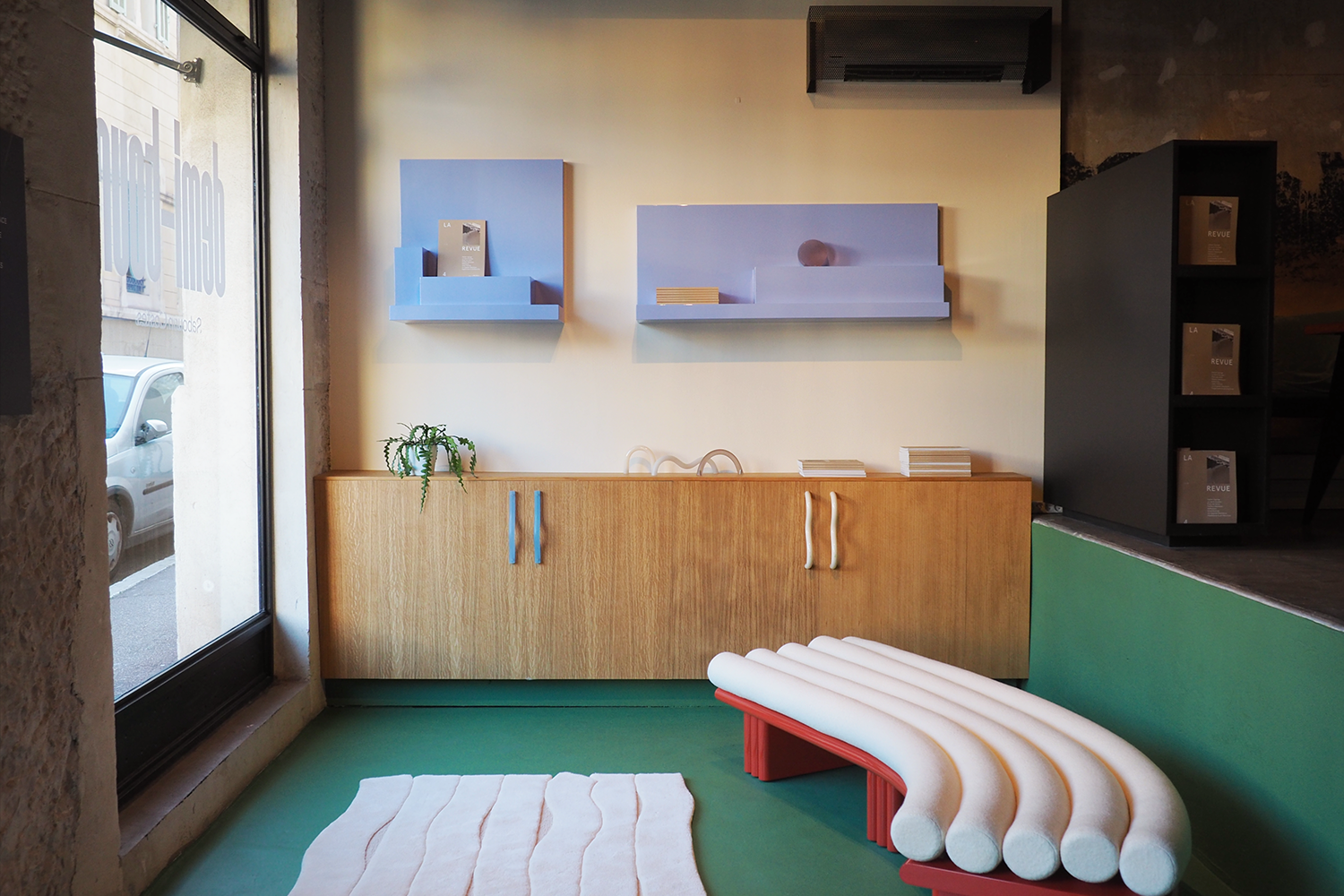
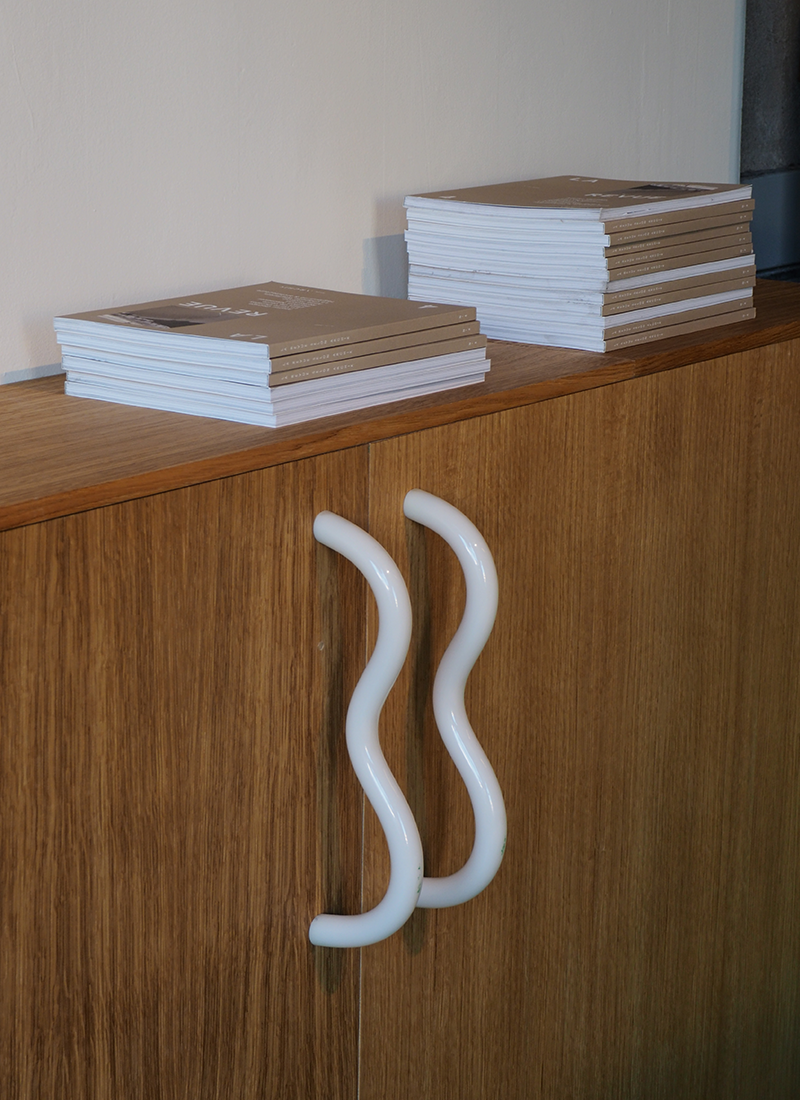
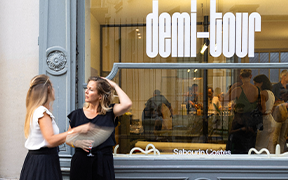
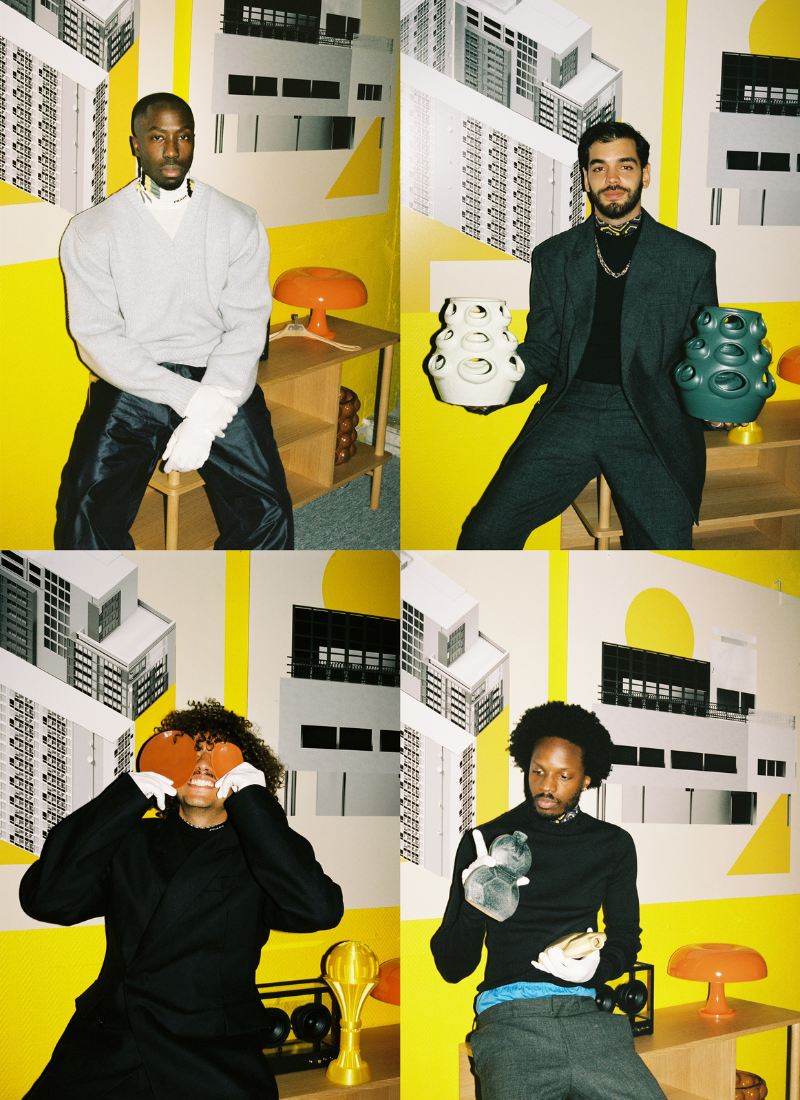
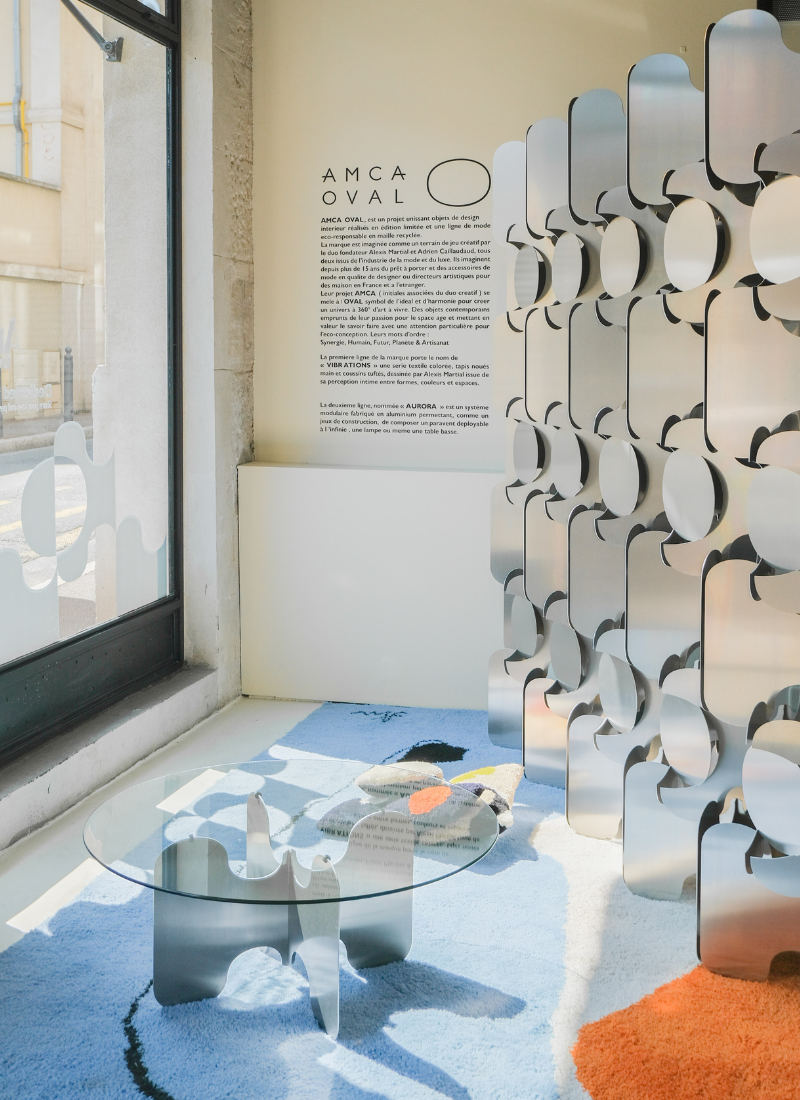
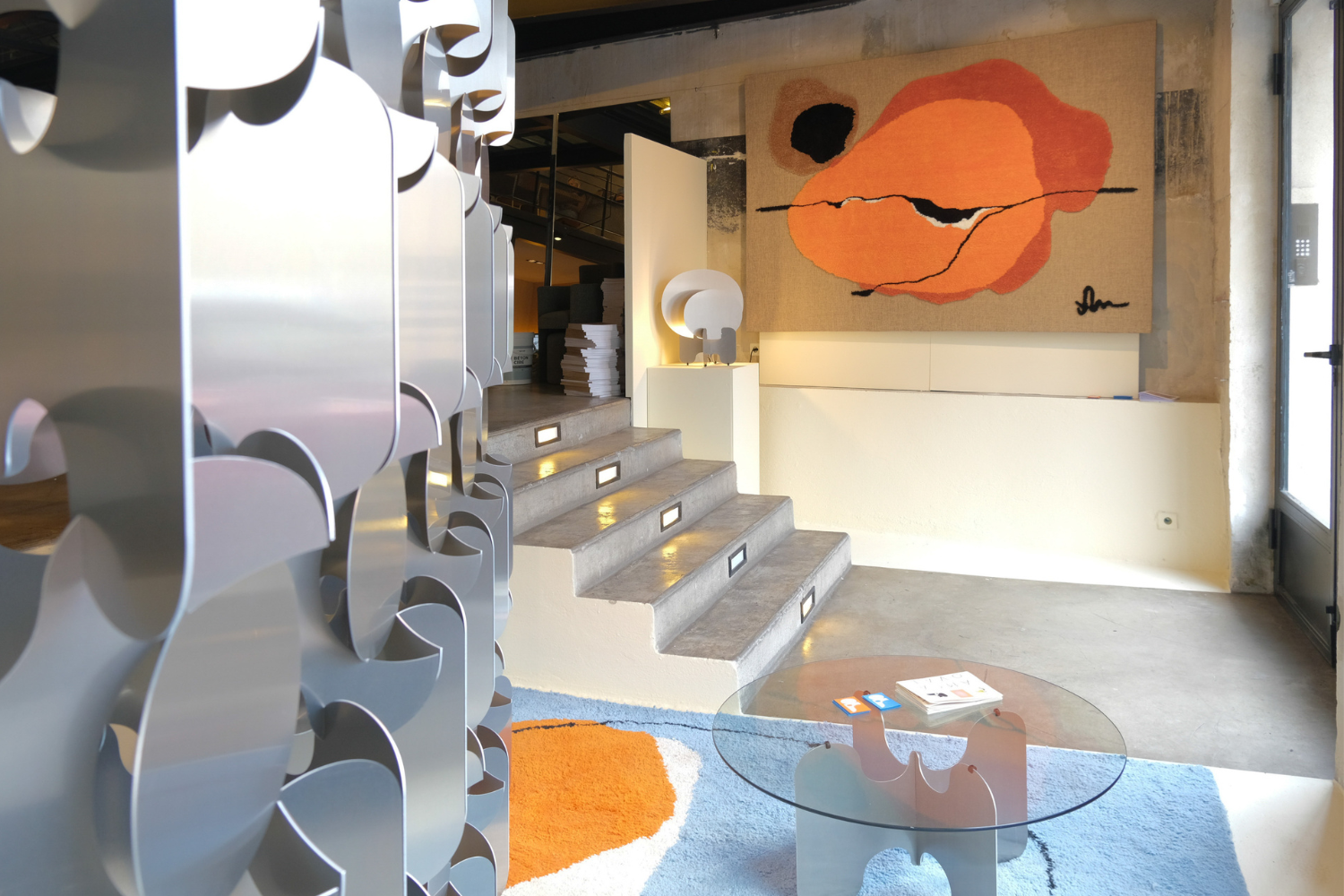
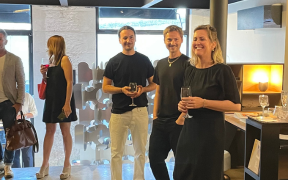
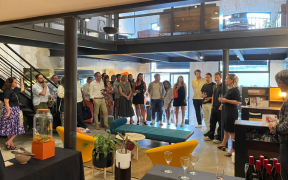
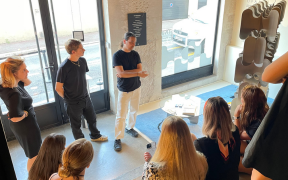
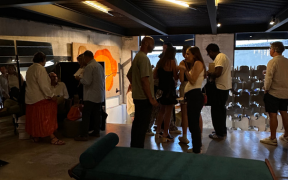
A graphic and flamboyant scenography showcases their creations inspired by the aesthetics of the 70s.

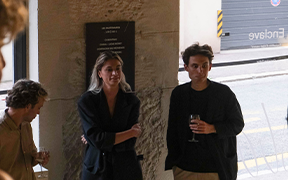
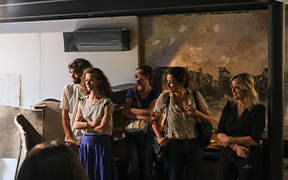
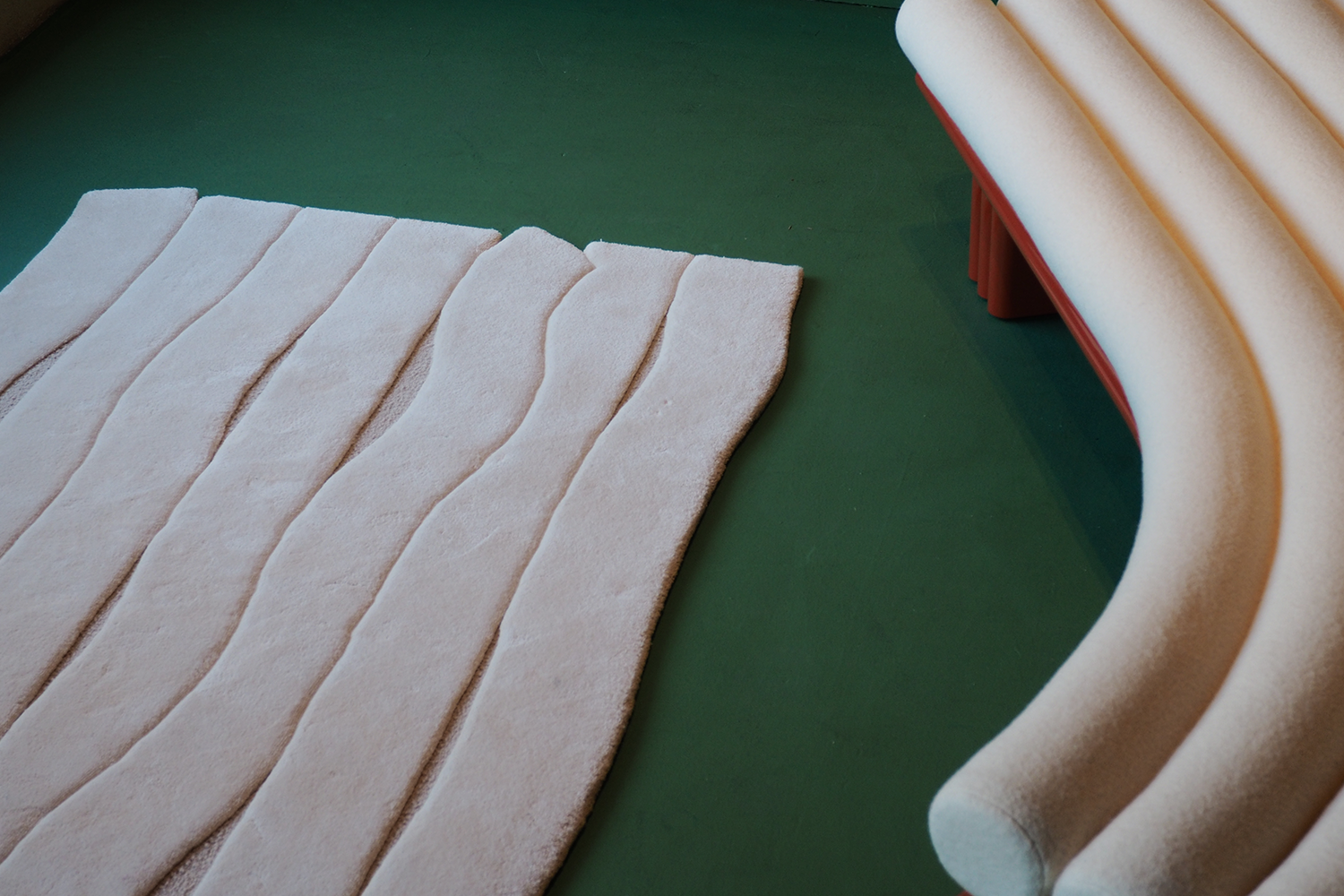
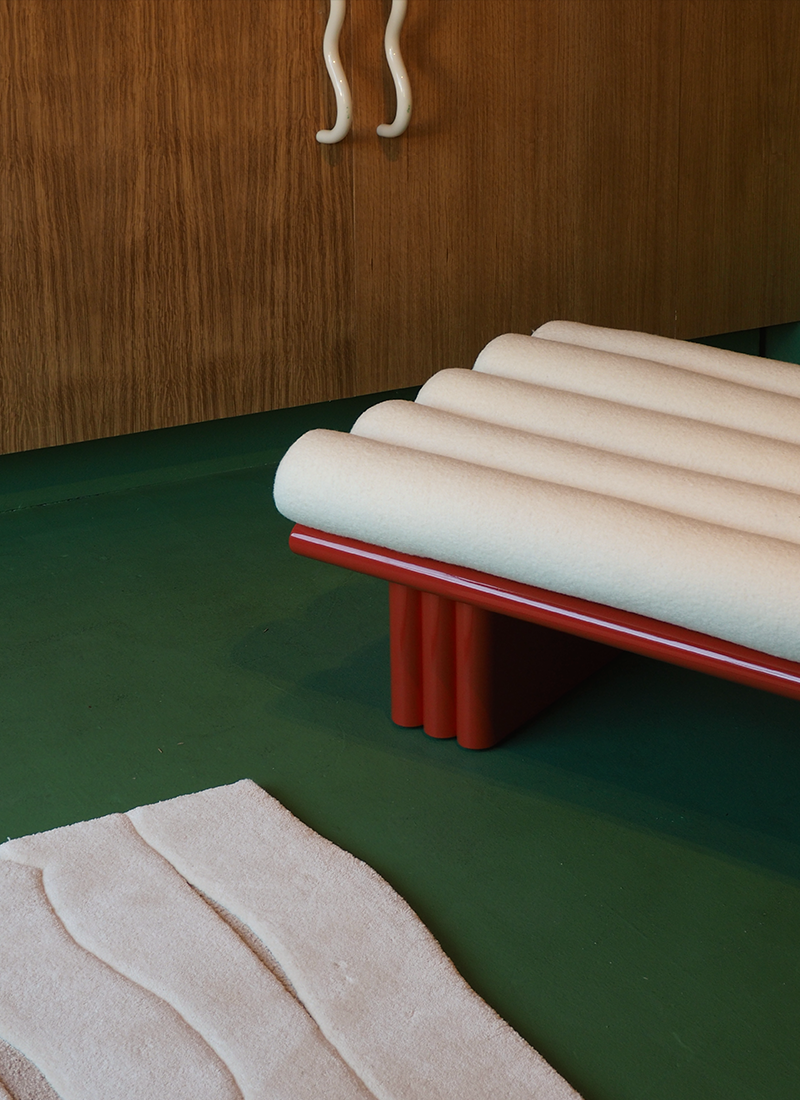
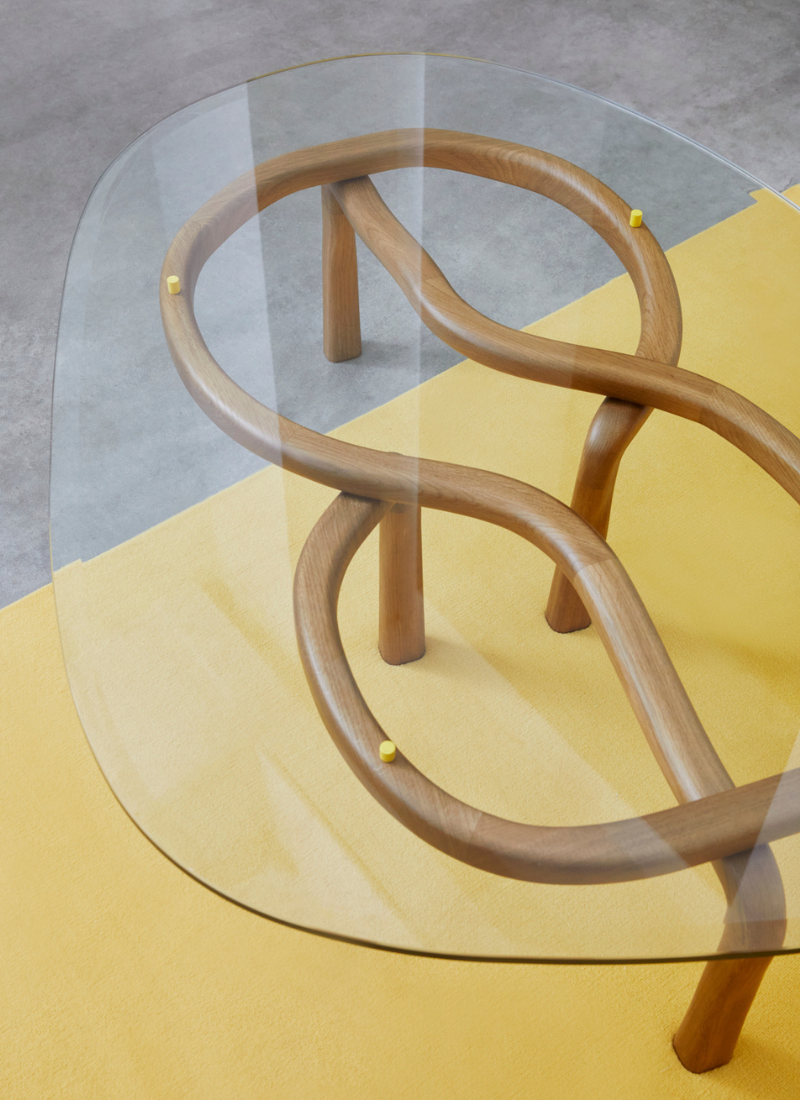
The AMCA OVAL duo showcase their sustainably manufactured creations, inspired by the aesthetics of the 70s, in a play of textures and neutral and colorful hues.

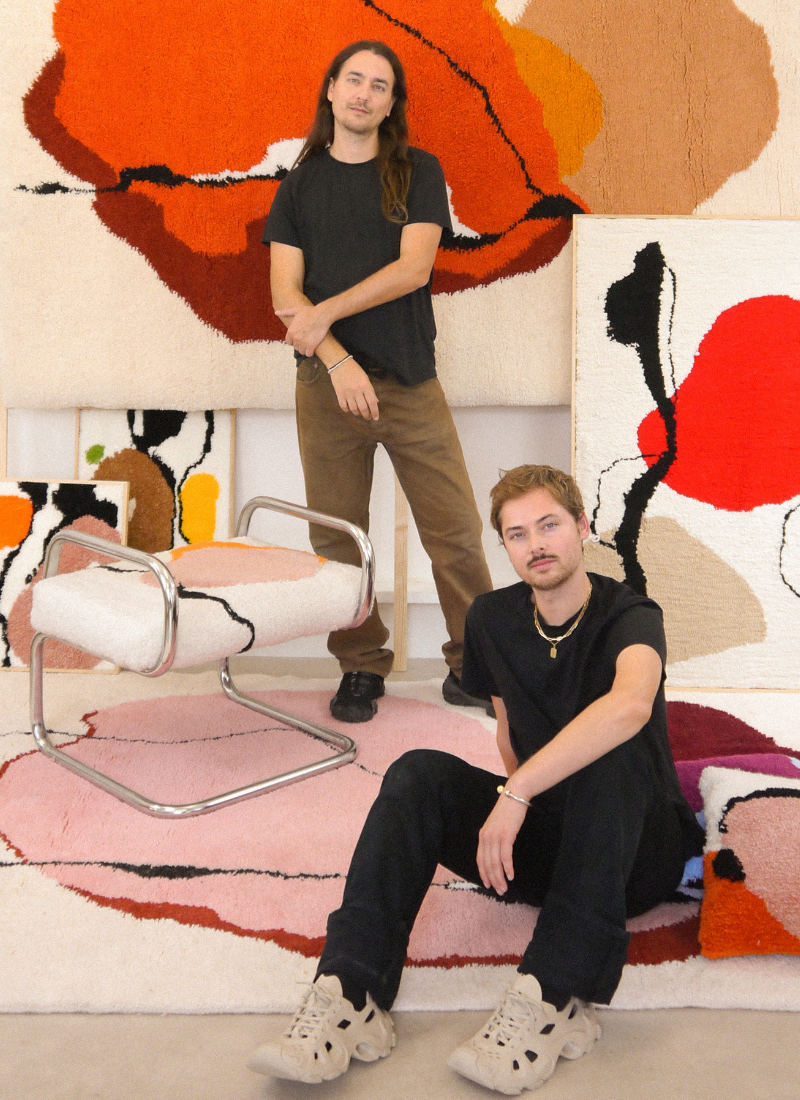
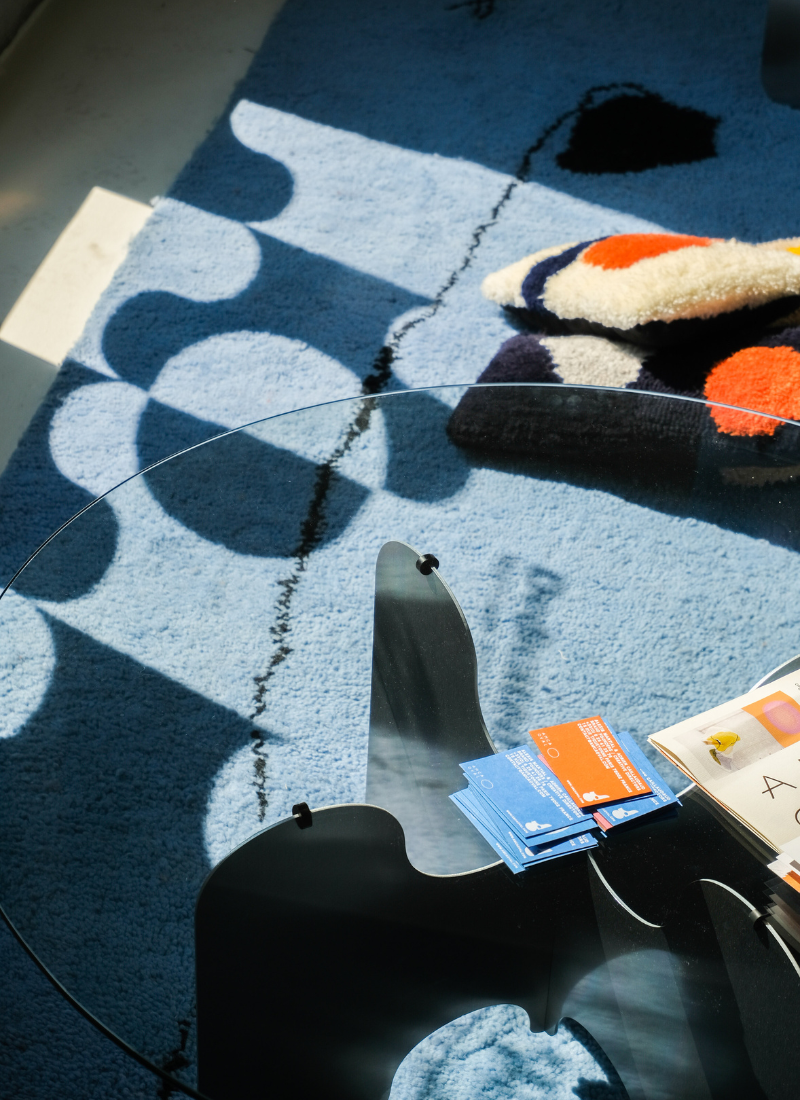
Their VIBRATIONS collection is the fruit of Alexis Martial’s intuitive exploration of color, form and space. From his sensitive and abstract perception, he imagines a series of tufted cushions and wall art, as well as hand-knotted wool rugs, that explore his graphic vision.

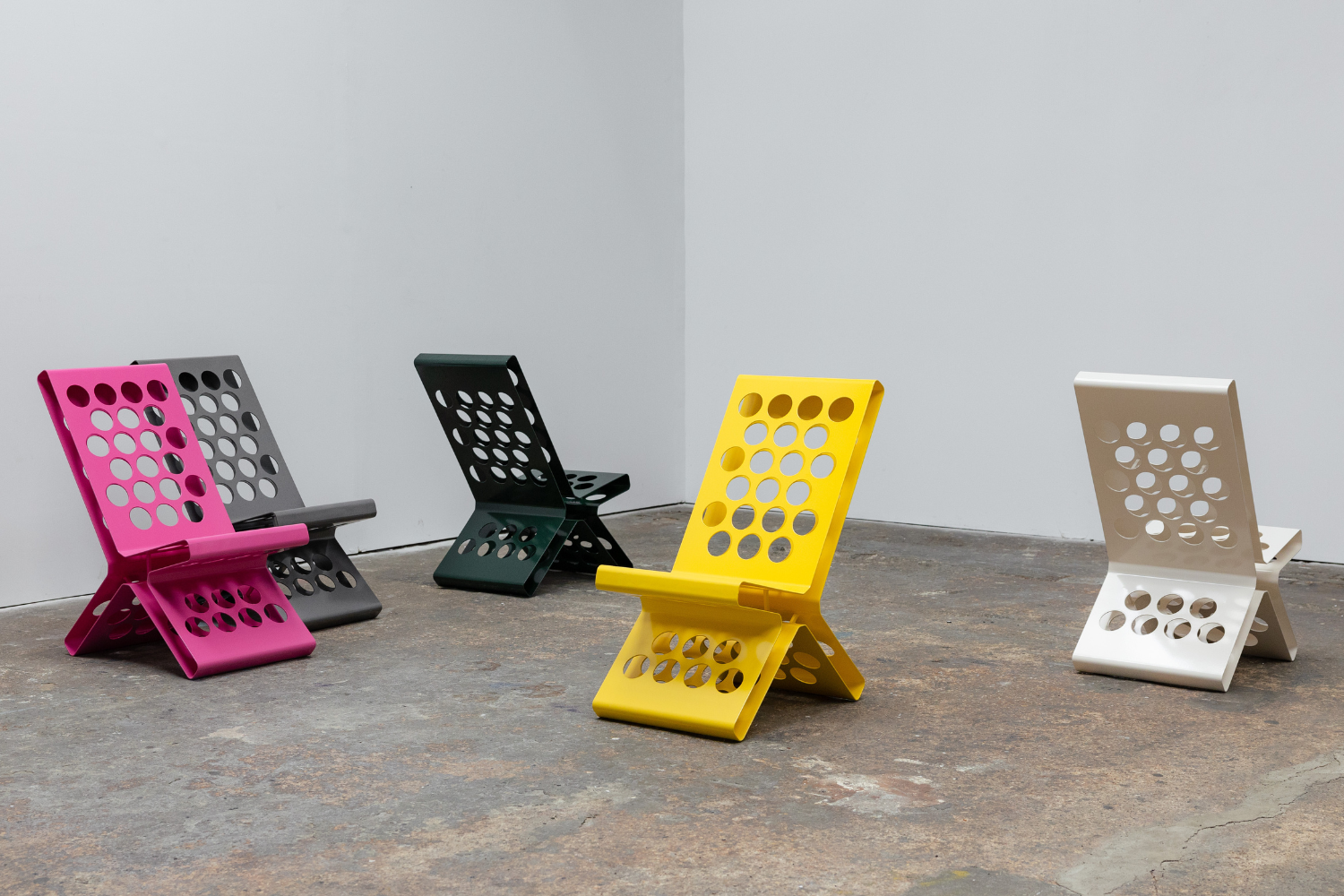
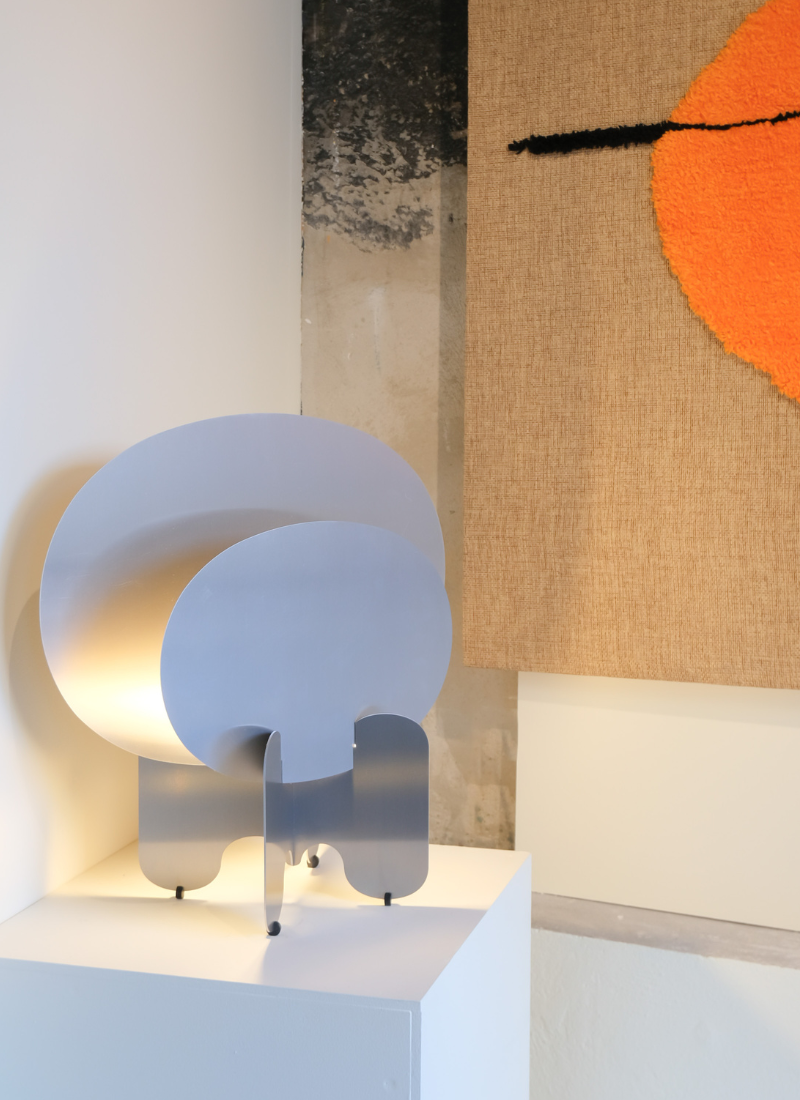
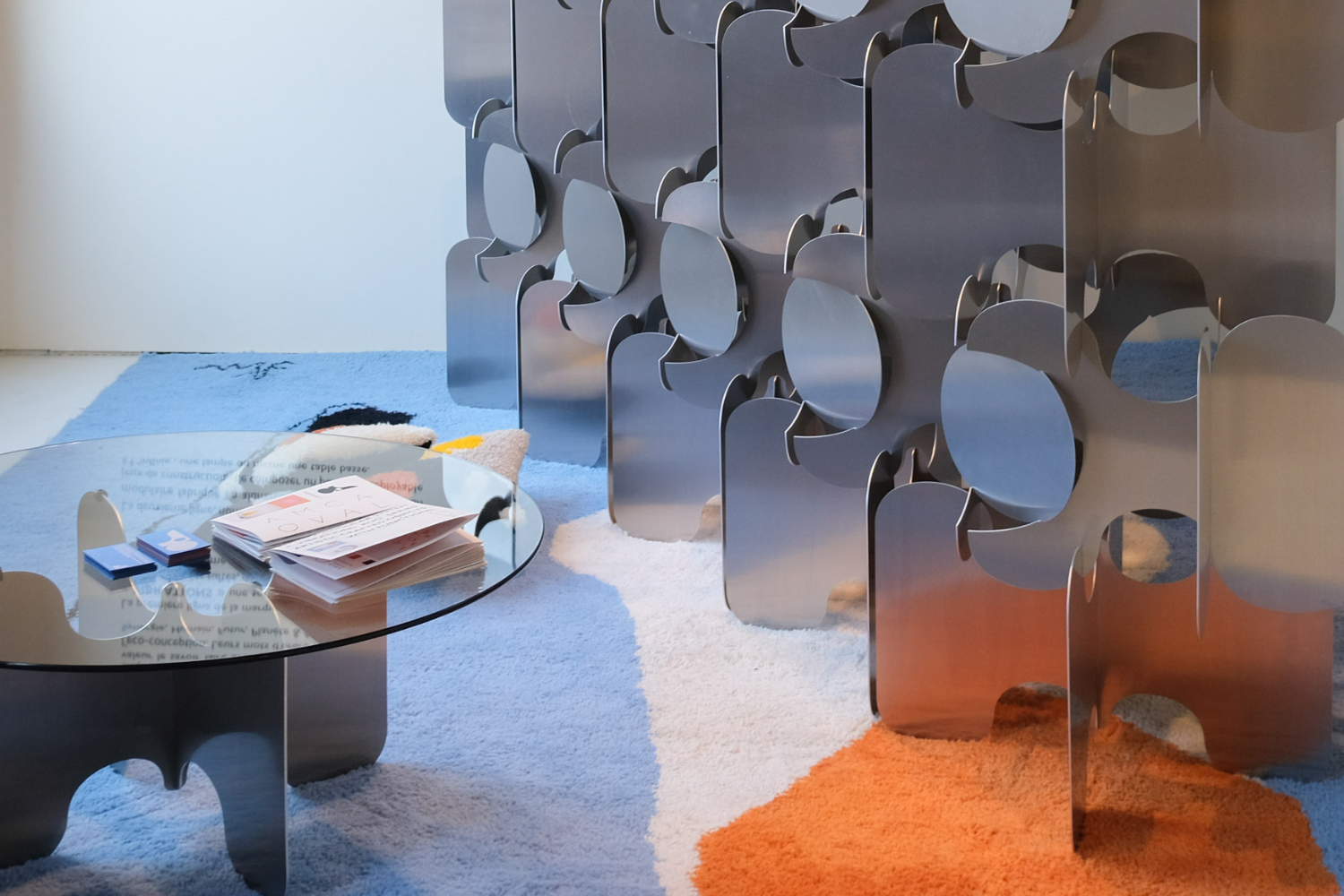
AURORA is a contemporary interpretation of a modular system typical of the 70s, unveiled in 2023. An ode to circularity, creating a playful whole in a material that can be endlessly recycled. The system is imagined as a playground that can be transformed from the same laser-cut elements into an infinitely extendable screen, a table lamp or a coffee table with a glass top.

The oval is combined with extruded curves to create a kinetic pattern, like a kind of “paper-cut”.

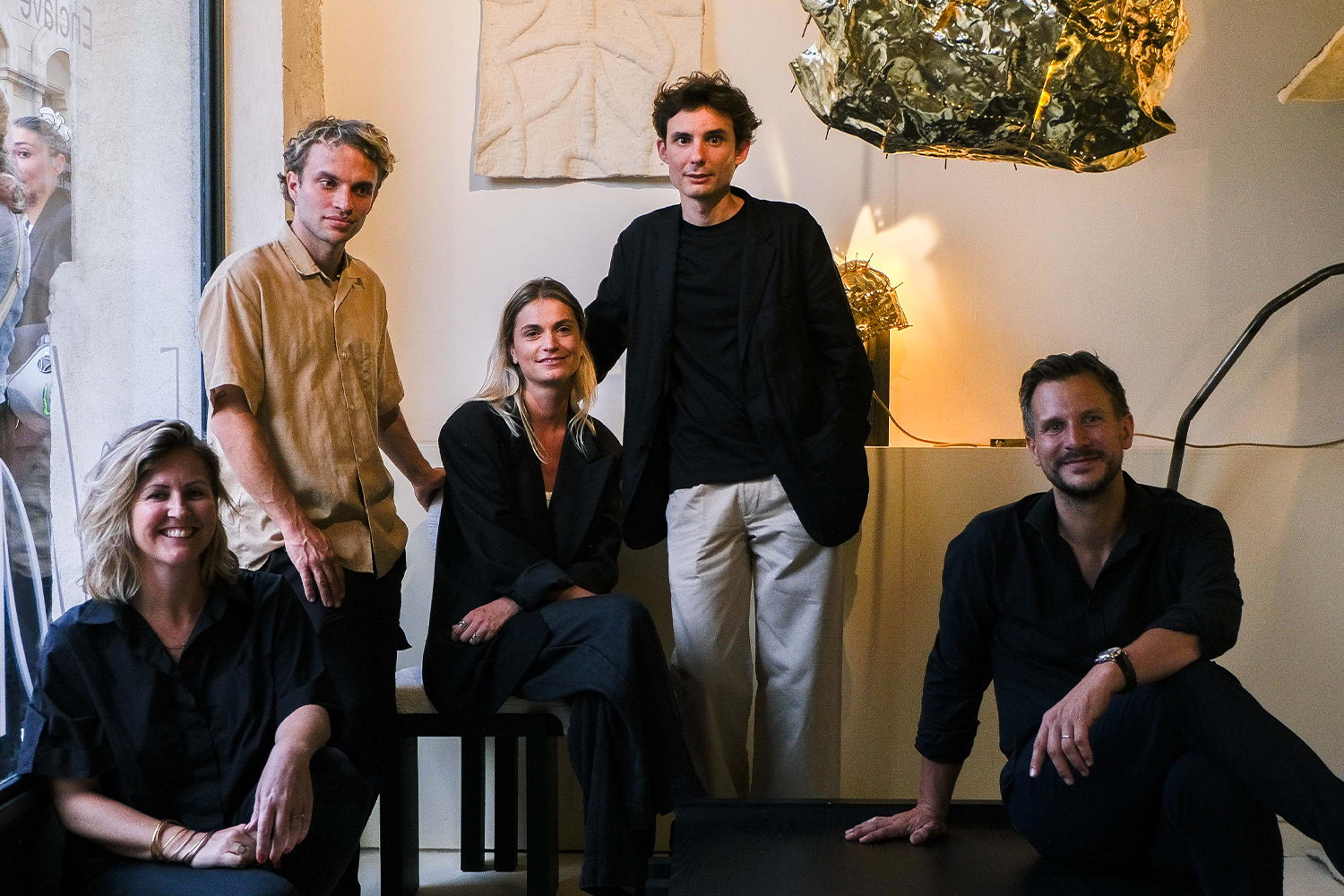
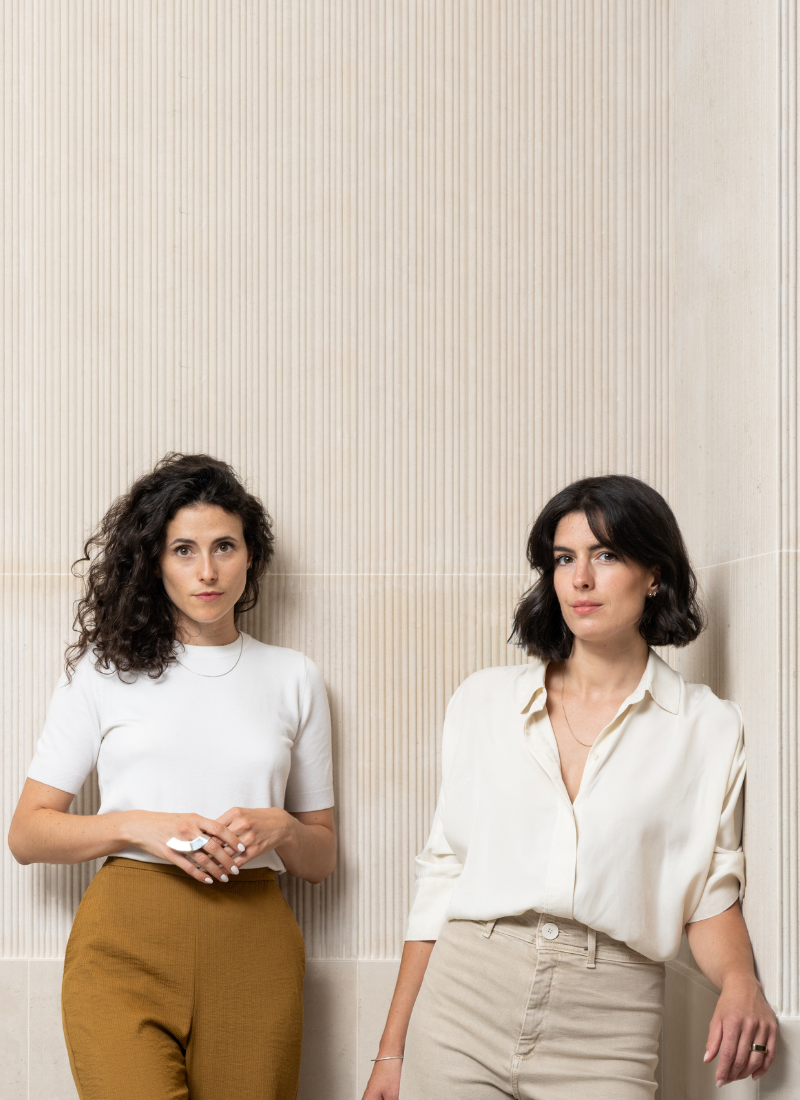
Alexis Martial et Adrien Caillaudaud

The duo of Alexis Martial and Adrien Caillaudaud imagine a singular universe, both pop and poetic, expressed in fashion and design. Stylists, textile designers and art directors, the two creatives spent 15 years working in fashion before launching their AMCA OVAL project, a reference to their initials and the oval that symbolizes the ideal of a circular global system.

AMCA OVAL is a creative force that challenges norms, stimulates the imagination and leaves a lasting imprint on the world of art and fashion.

“There’s something very statutory about the circle, whereas the oval is much softer, more harmonious, more encompassing. It’s both a shape representing femininity, an ideal, and a symbol of sharing and collaboration that kept coming up in our inspirations.”

– Adrien Caillaudaud et Alexis Martial

PRACTICAL INFORMATION

Dates

From June 15 to August 28

At Maison ARCHIK Marseille

Designer’s website

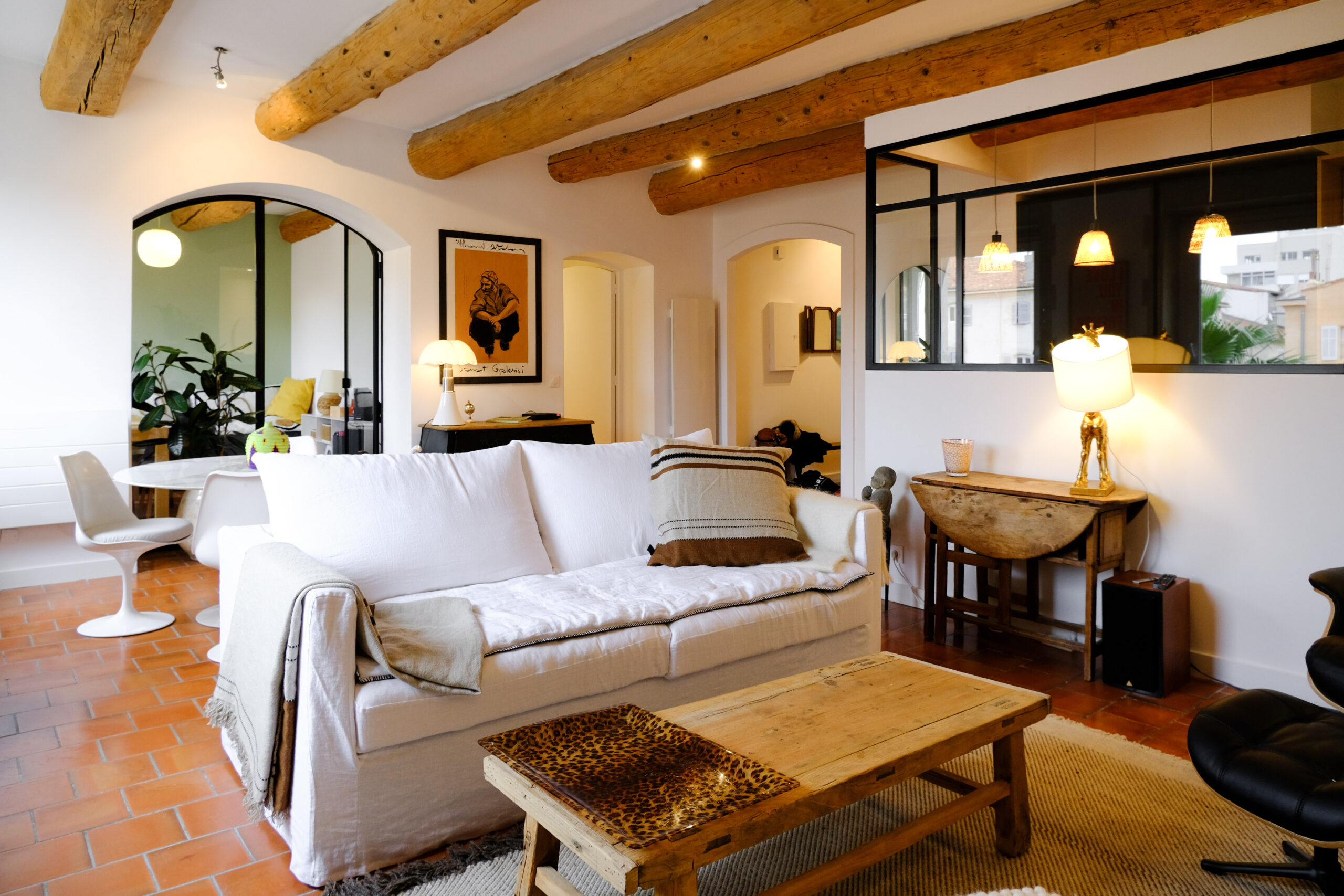
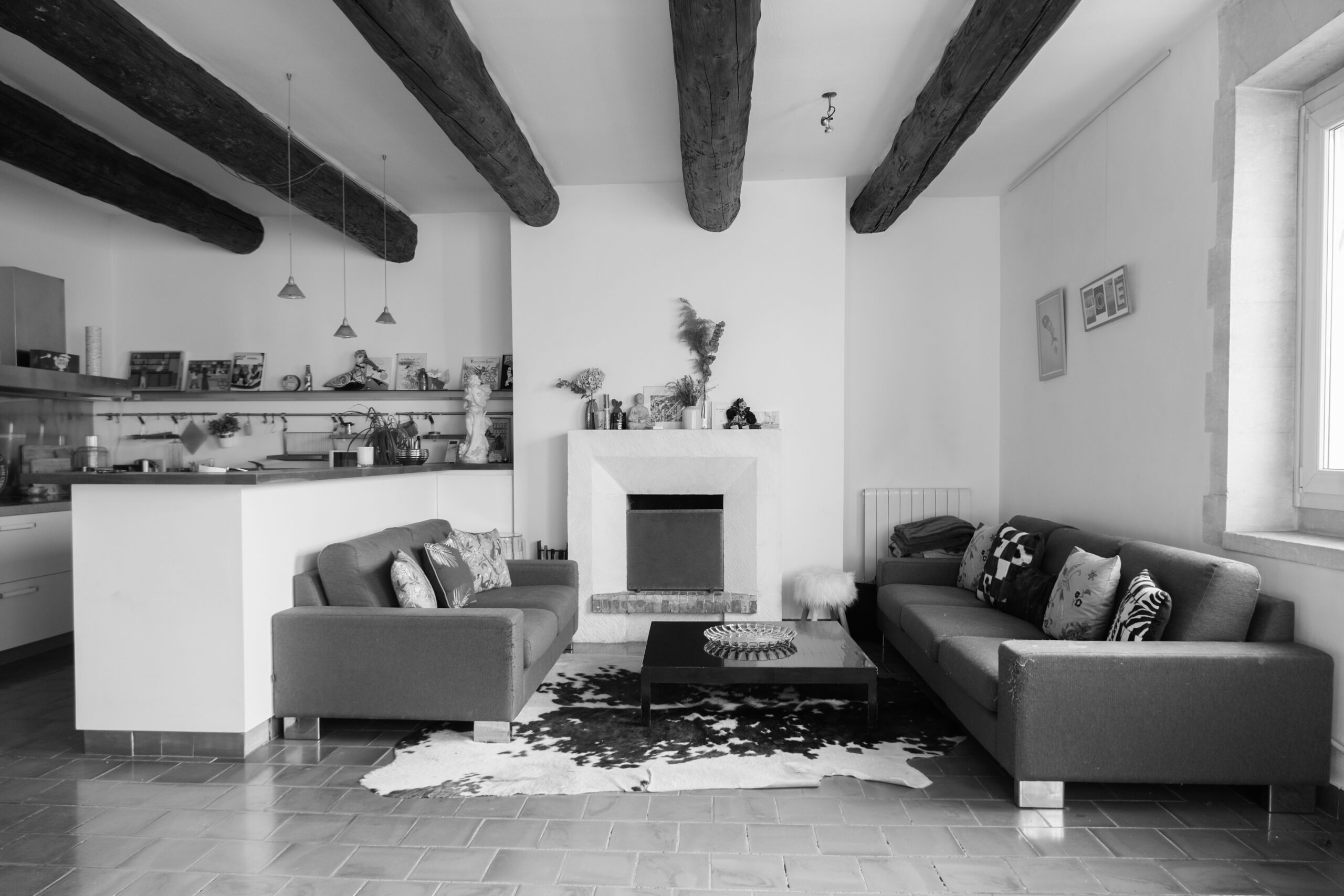
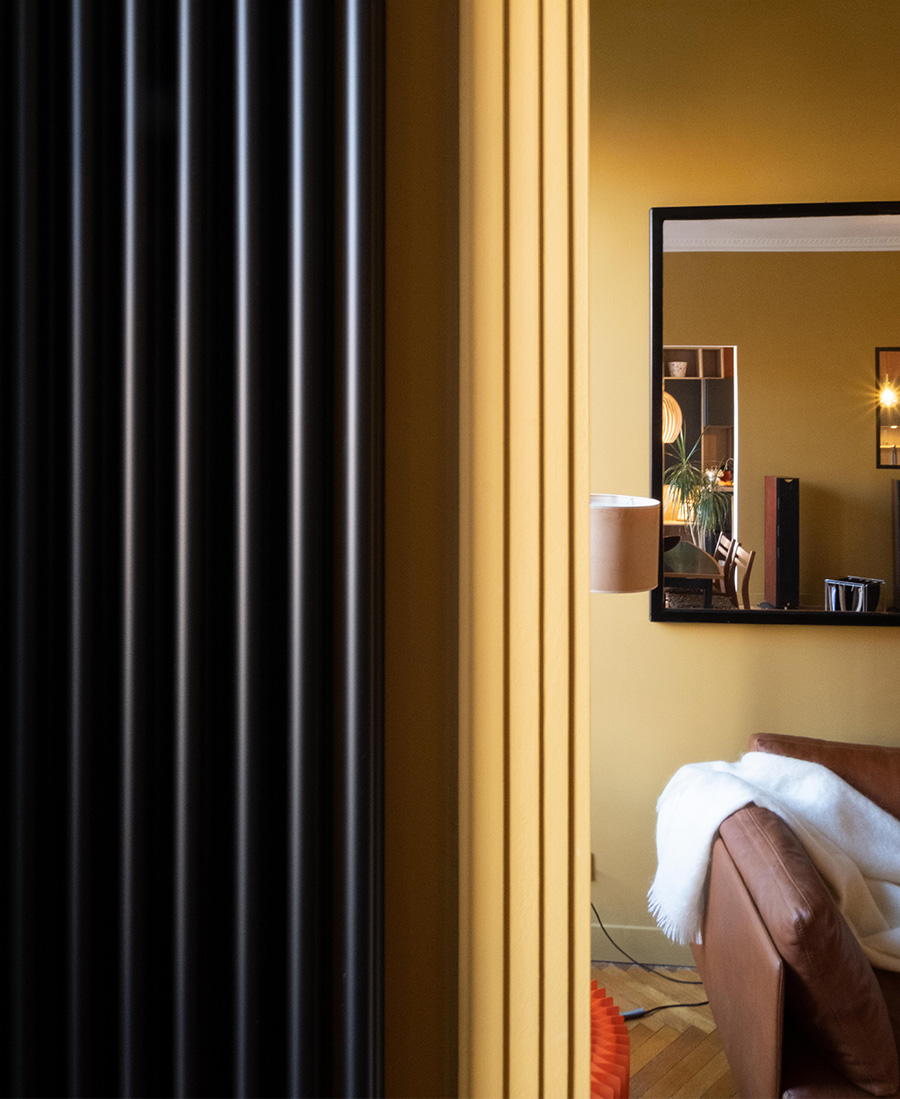
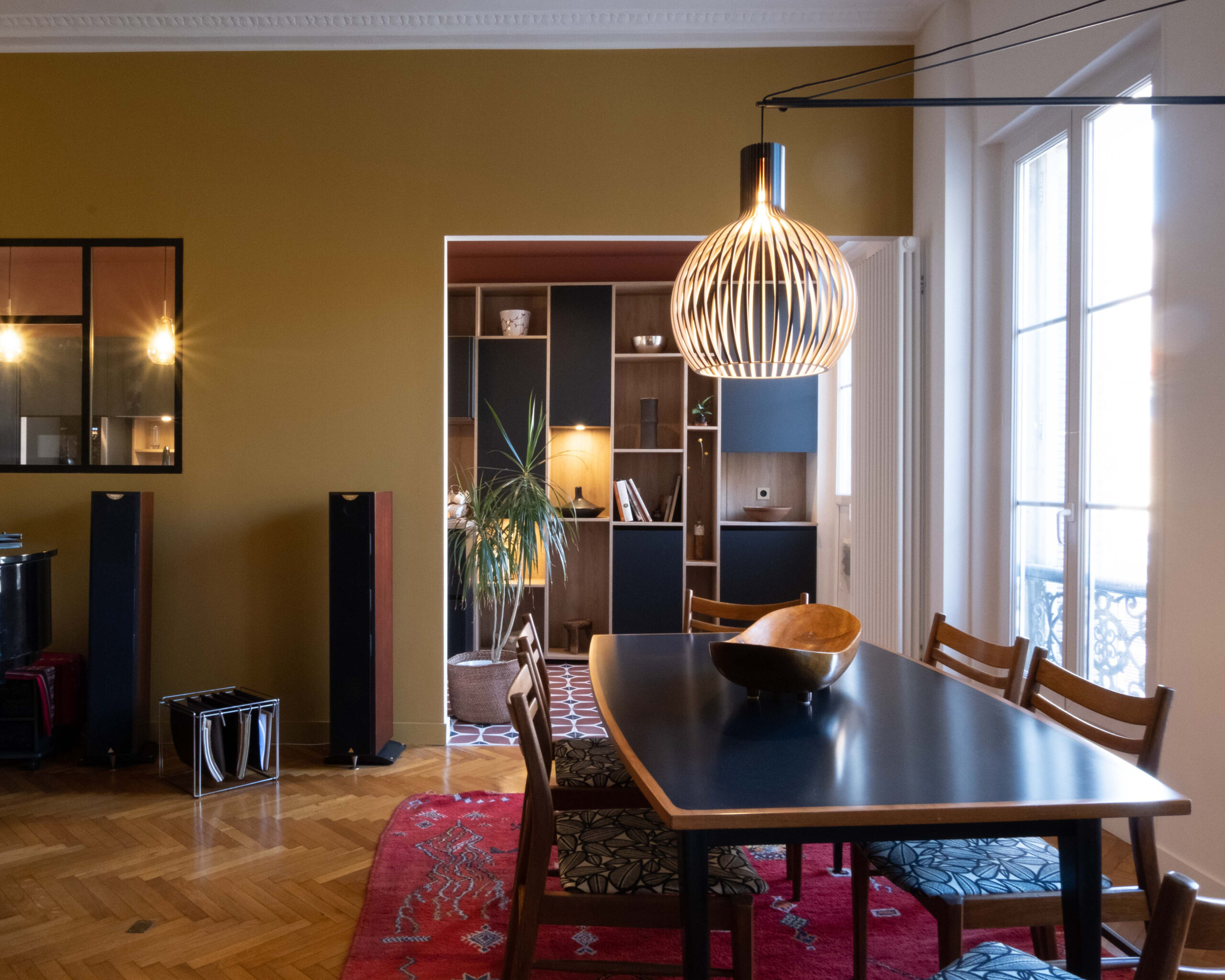
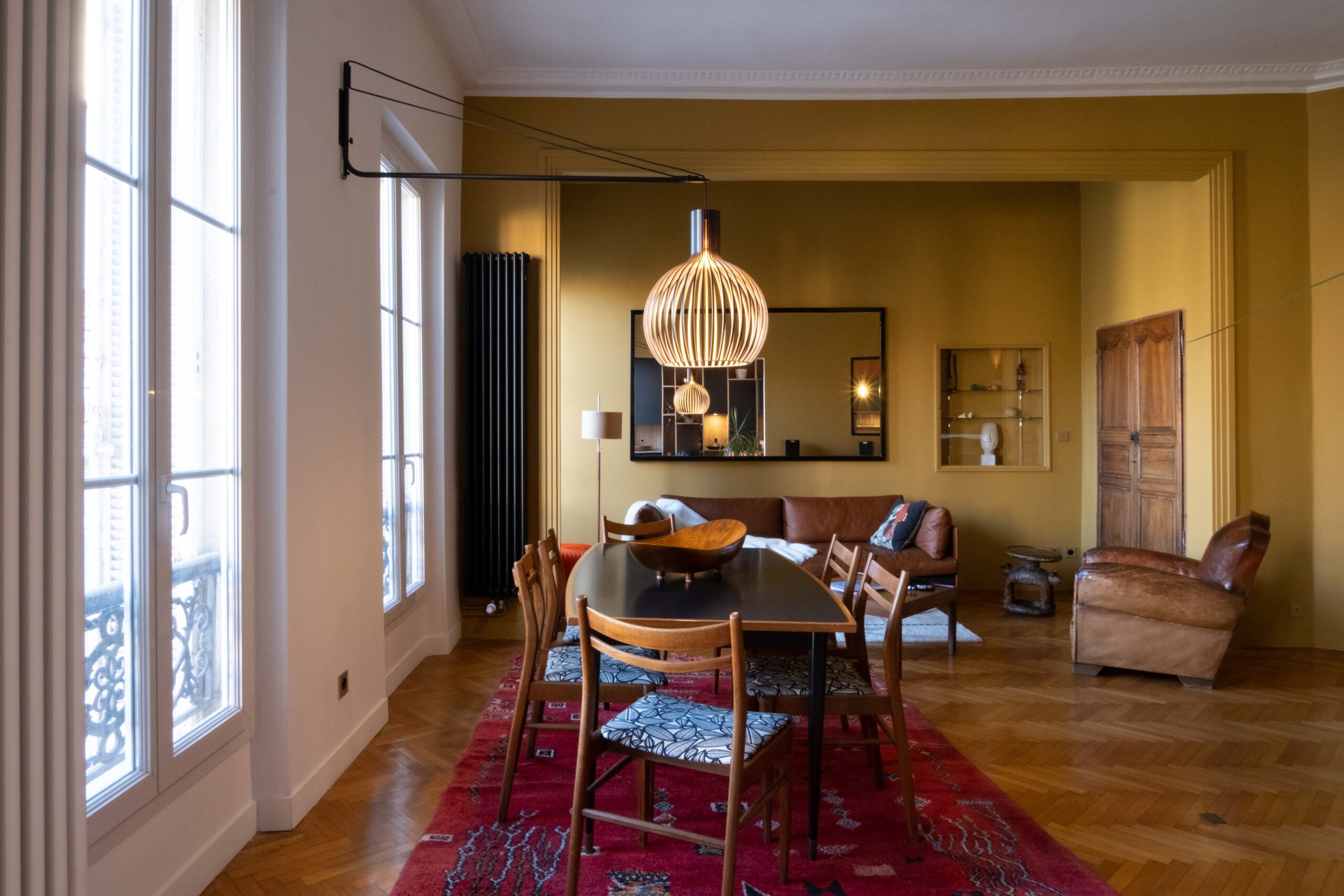
A complete and colorful renovation for this 100 m2 apartment located in a building of the 6th district of Marseille, which was revealed thanks to strong bias.

Target

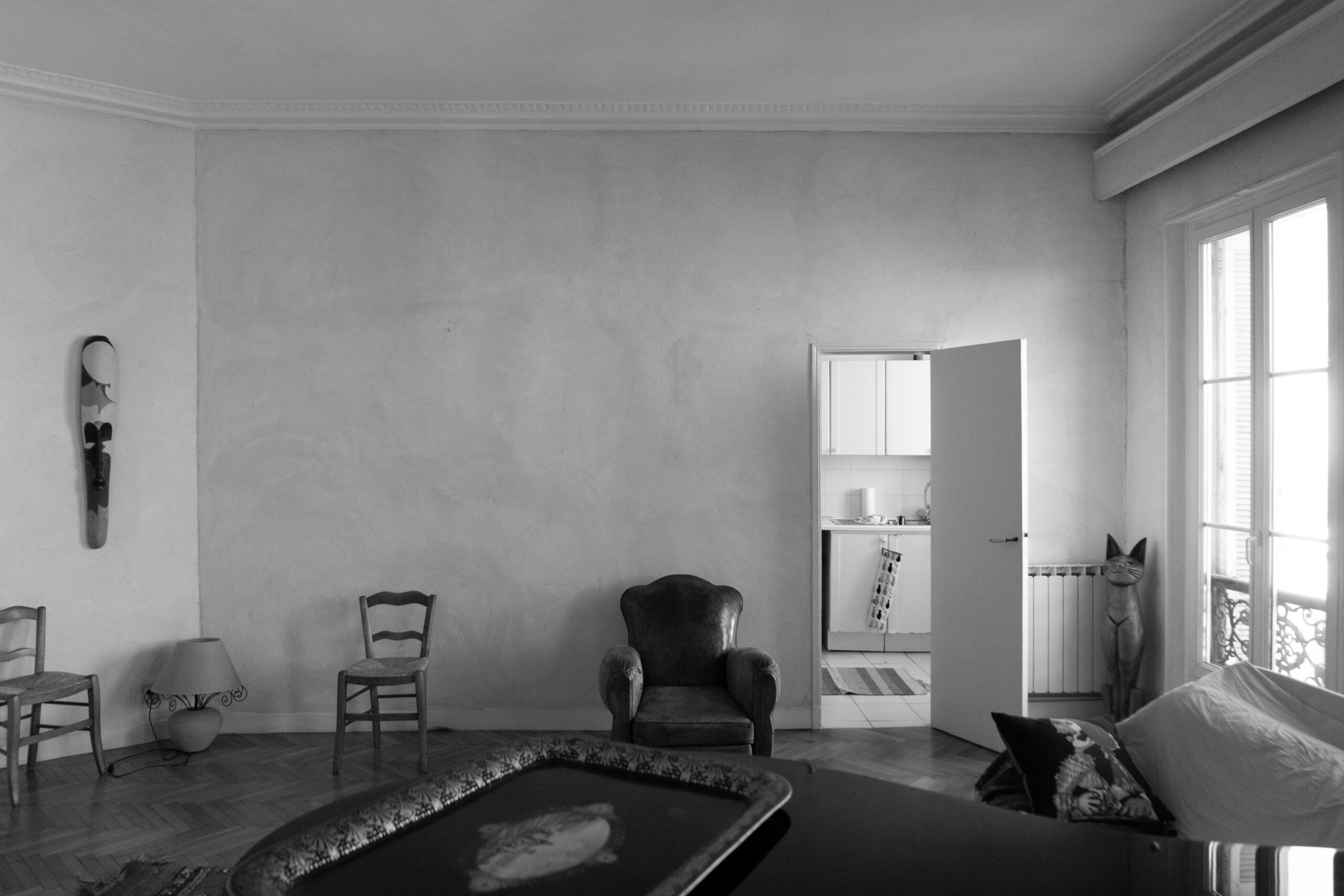
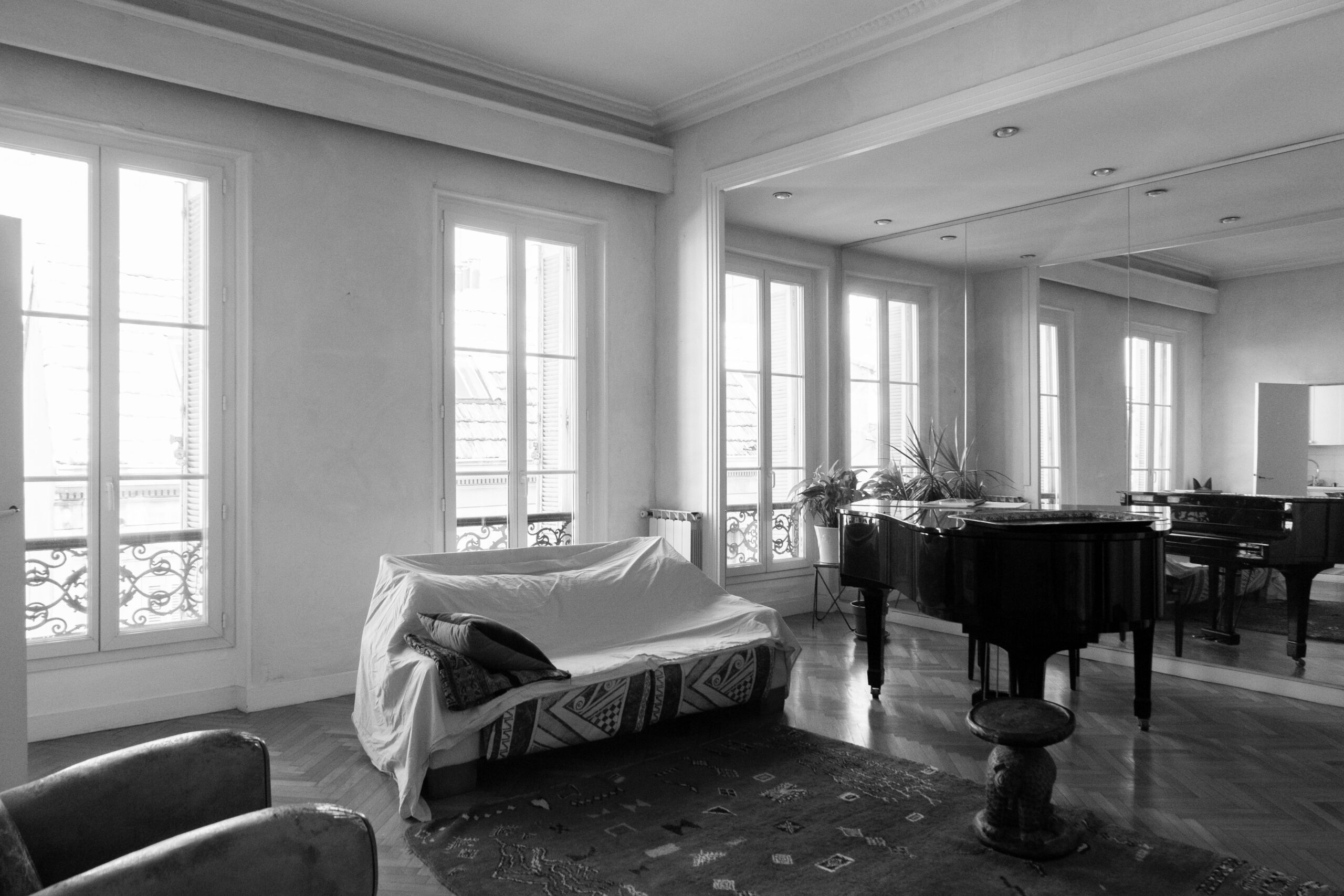
Bring back to life this apartment where the charm and assets were hidden by too many disparities, while recreating a common thread.

Course of action

The idea was to highlight the titles of nobility of the place, while revealing the taste of its owner and making the kitchen and living room communicate. Then to furnish it, without using neither blue nor green!

Achievement

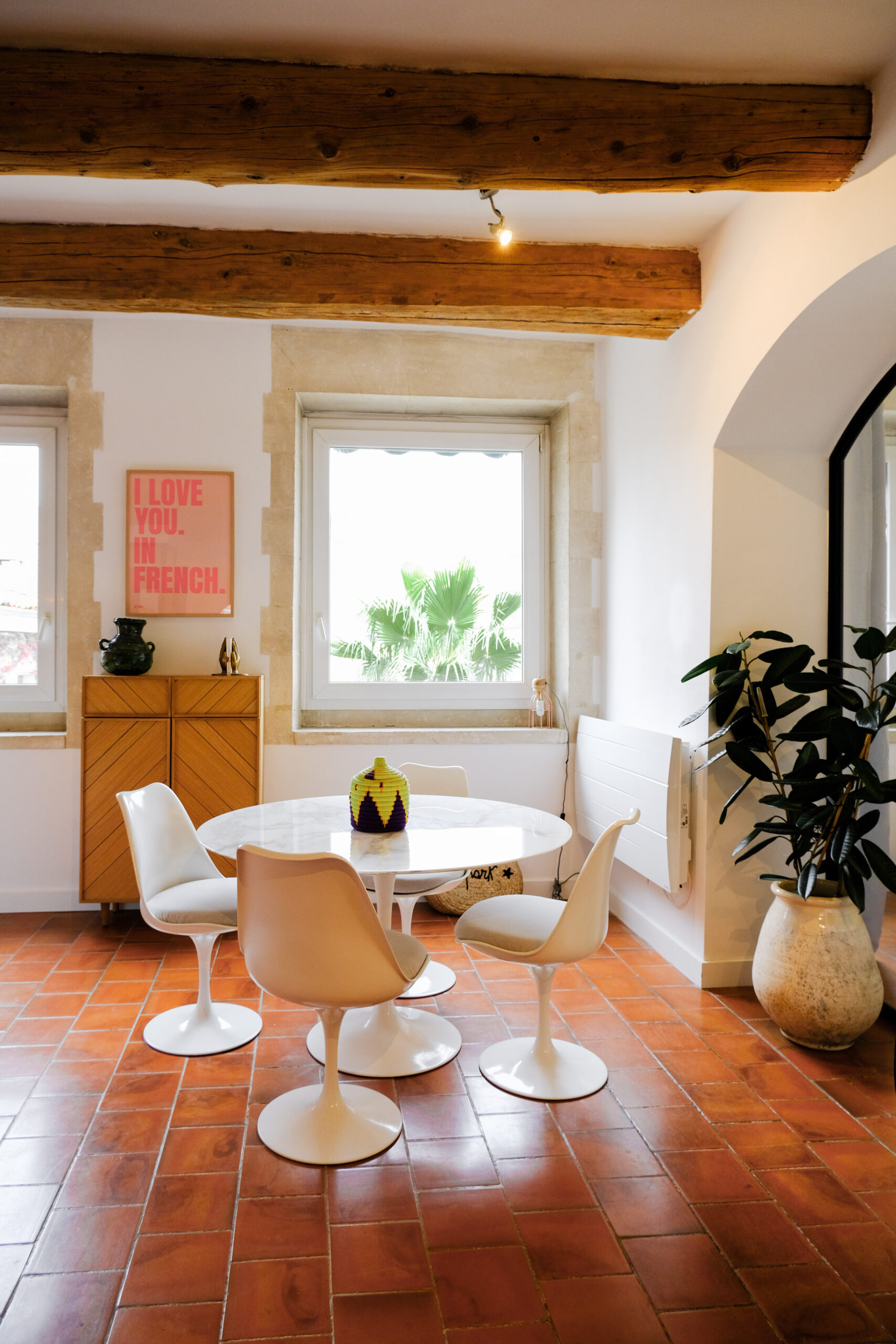
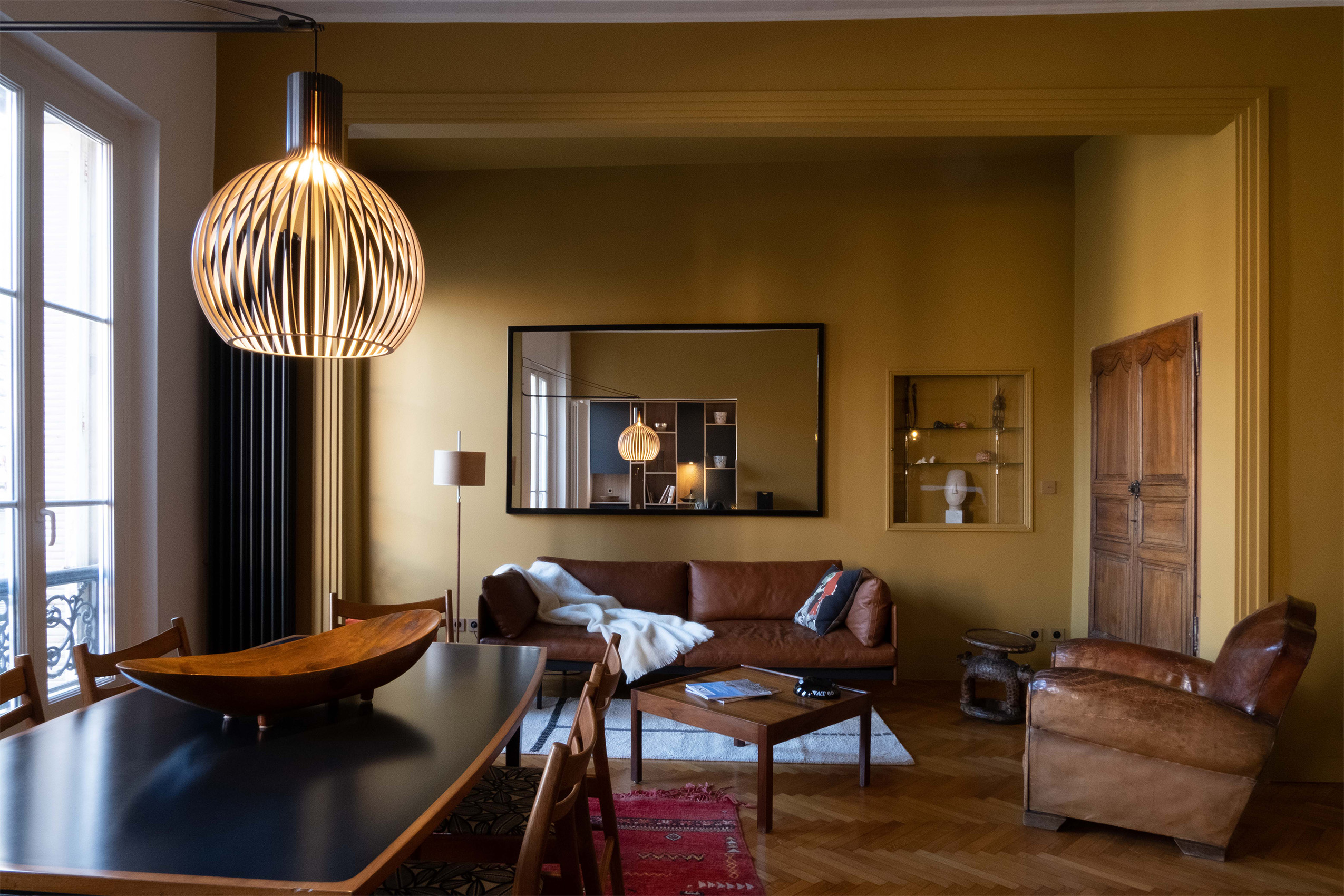
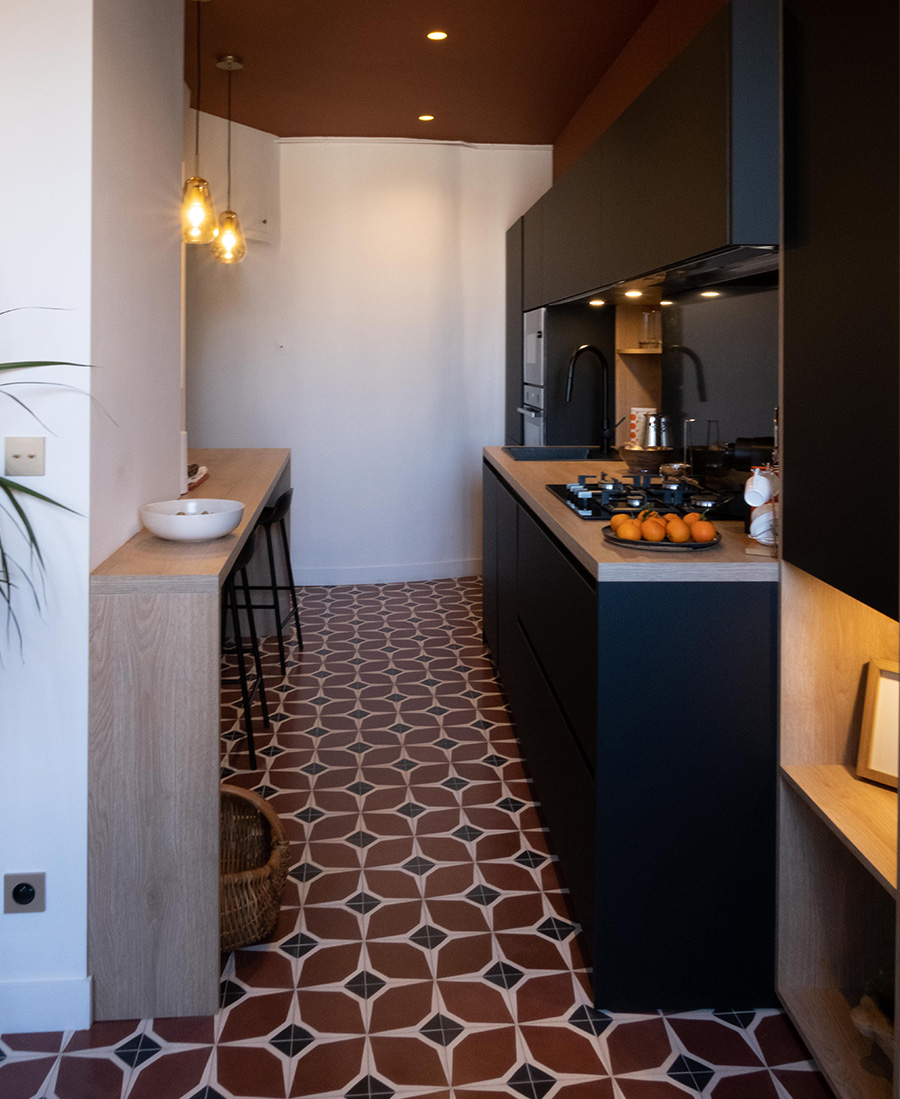
The colors have slowly imposed themselves, warm, spicy, as well as noble materials like leather, wood and cement tiles.

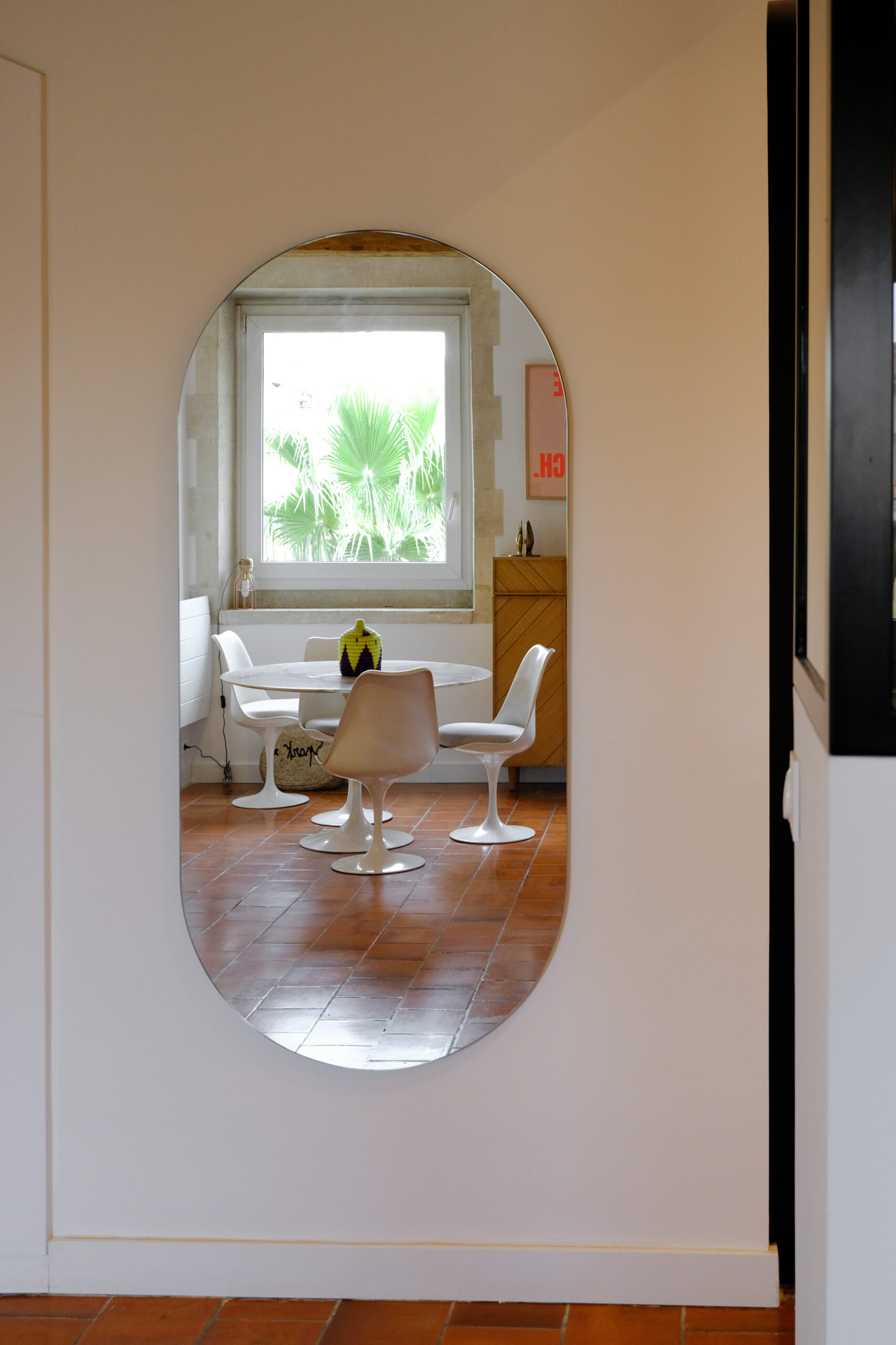
In the living room, in order to keep the depth and the effect of space that the old ice wall provided, the designer Axel Chay designed an XXL mirror.

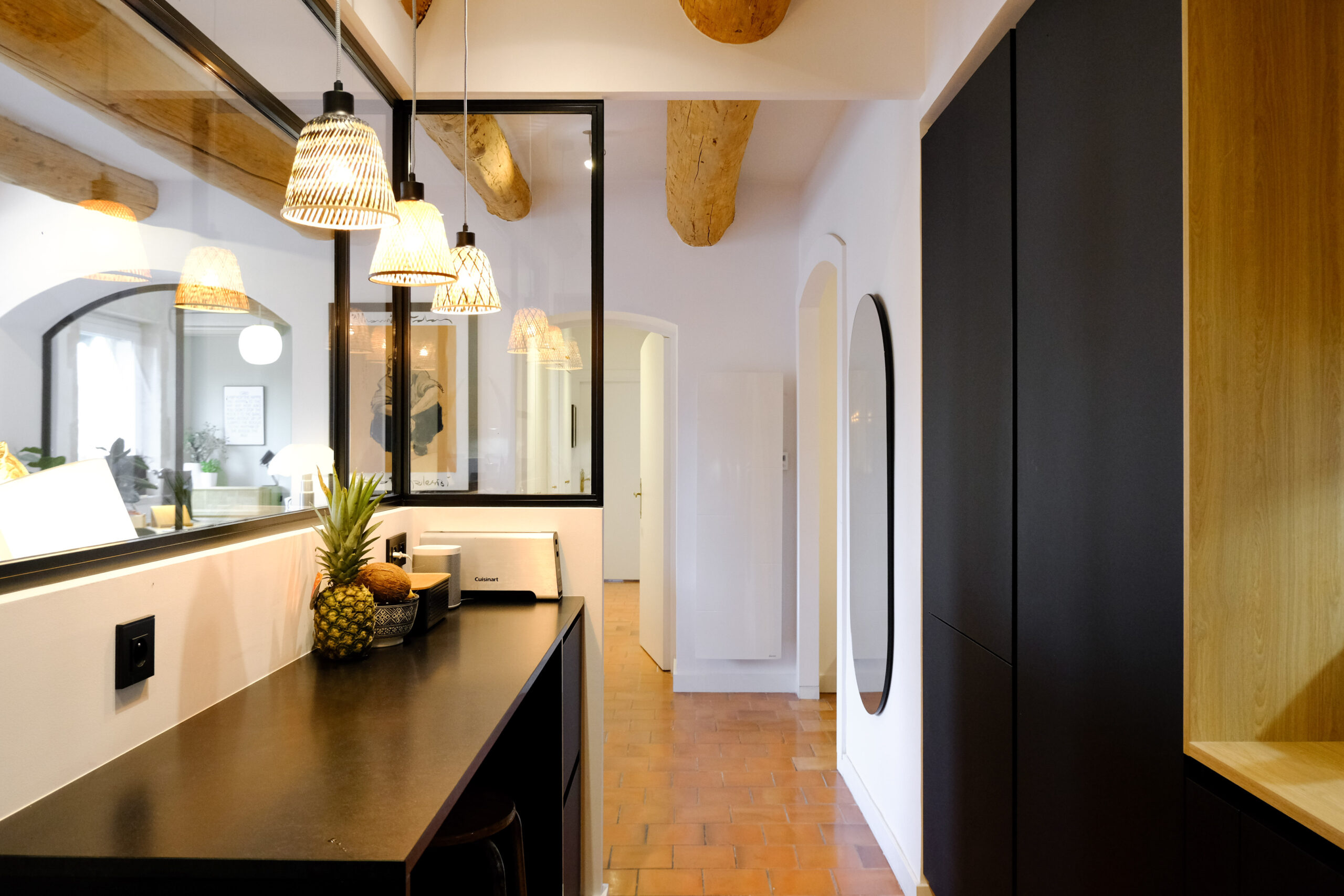
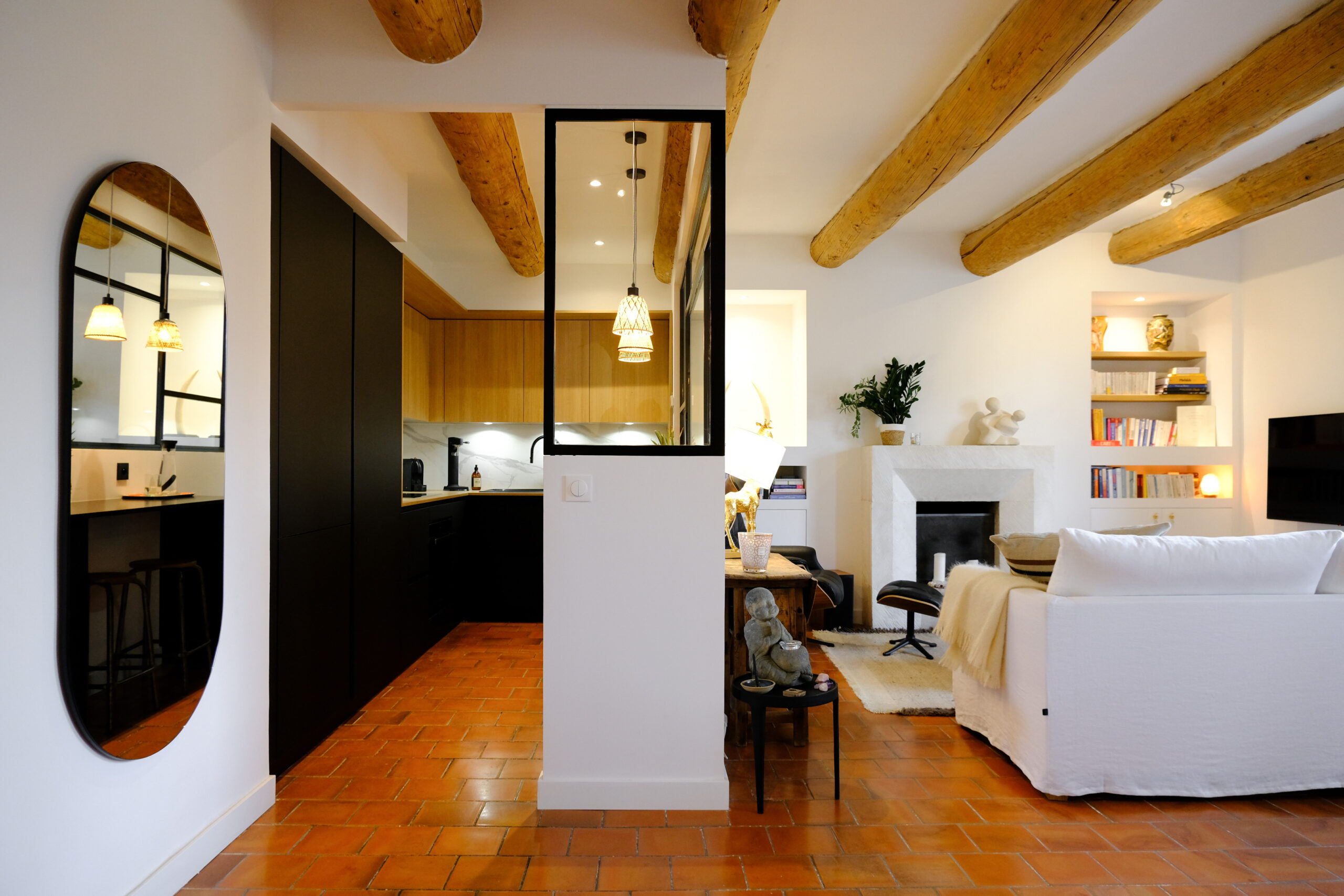
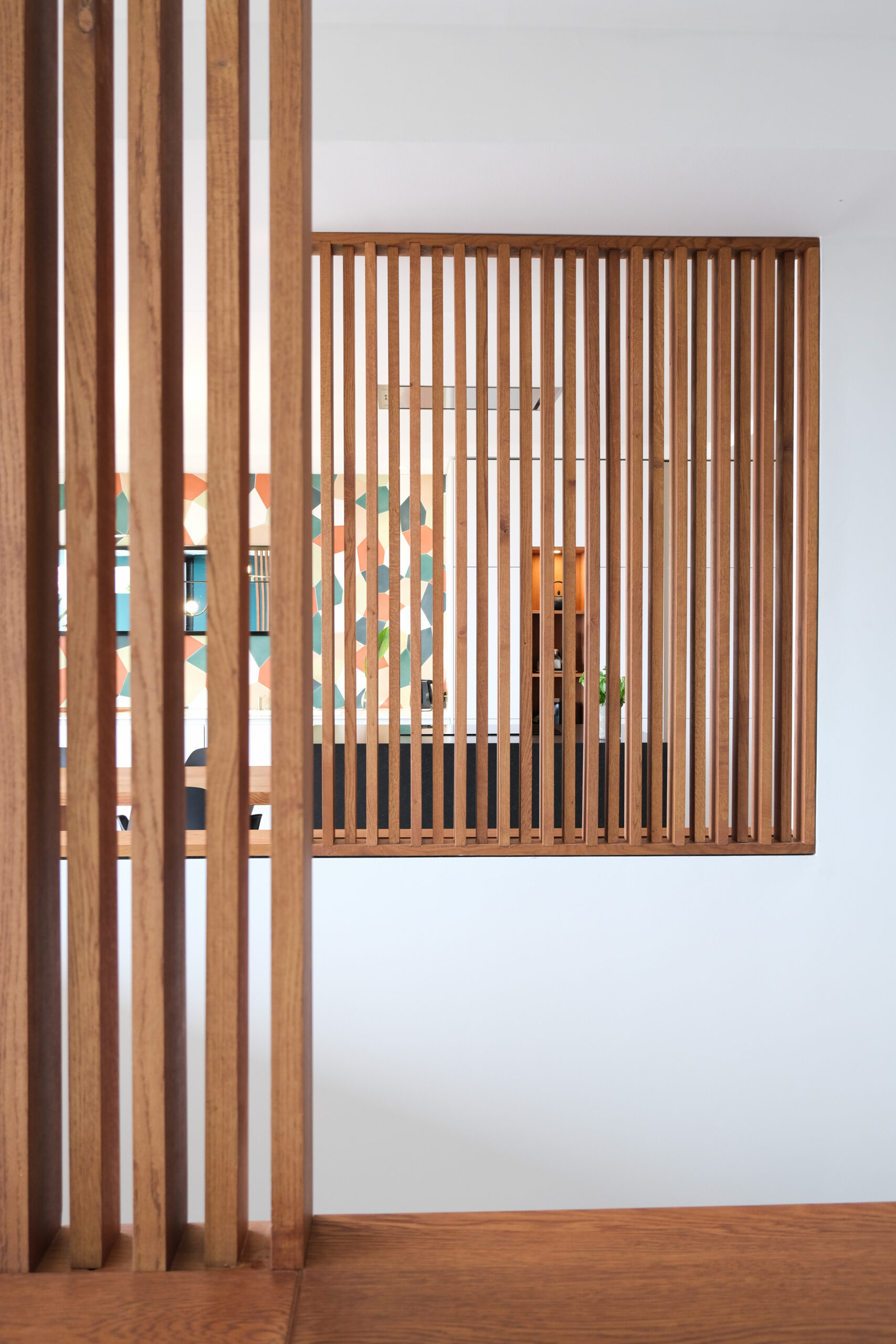
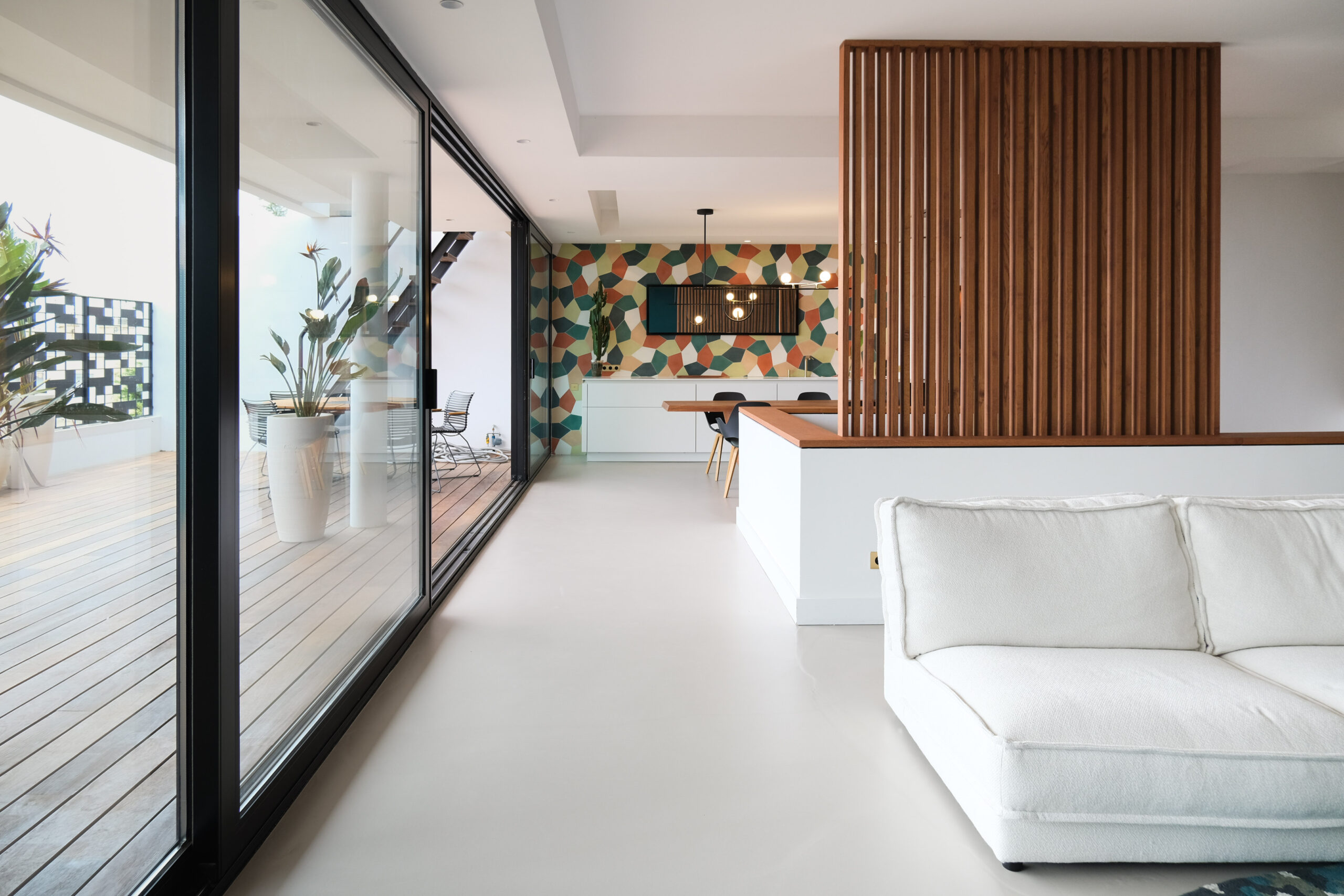
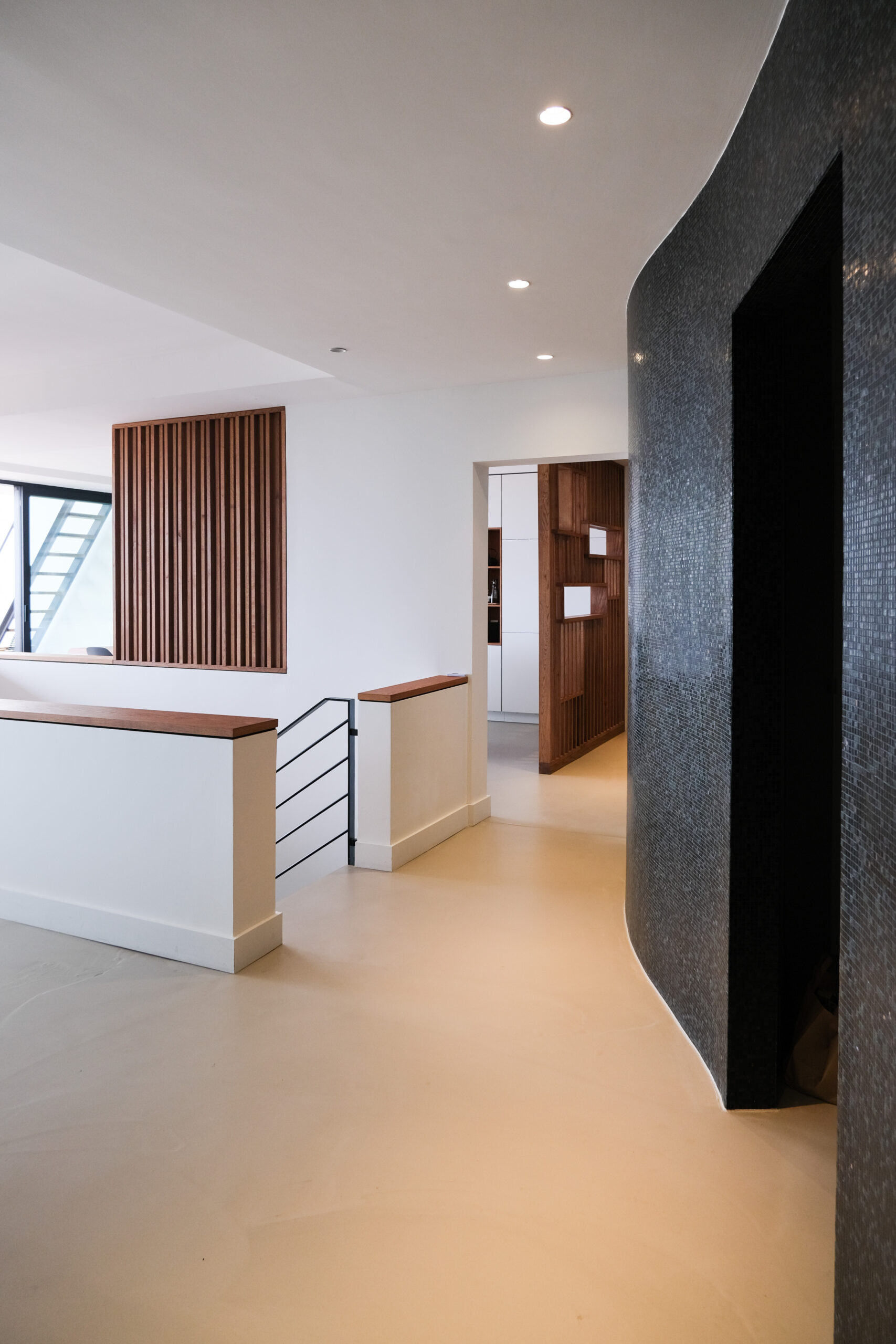
The Art Deco type glass roof between the kitchen and the living room creates an elegant opening through which one can enjoy the view without displaying the technical part of the kitchen. The transition between the spaces is smooth, thanks to a kitchen cabinet that looks like a library visible from the living room, creating an aesthetic link between the two rooms. The furnishings have been reorganized, a dining area created and the circulation optimized, with black as a common thread, in small touches, dialoguing with the quarter-top piano. In the kitchen as well as in the alcove, the ceilings were painted to accentuate the feeling of enclosure and intimacy.

In the entrance, the small windows were revealed. The former powder room, hidden behind its double doors, has been completely redesigned and decorated as a boudoir with a Garden of Eden feel.

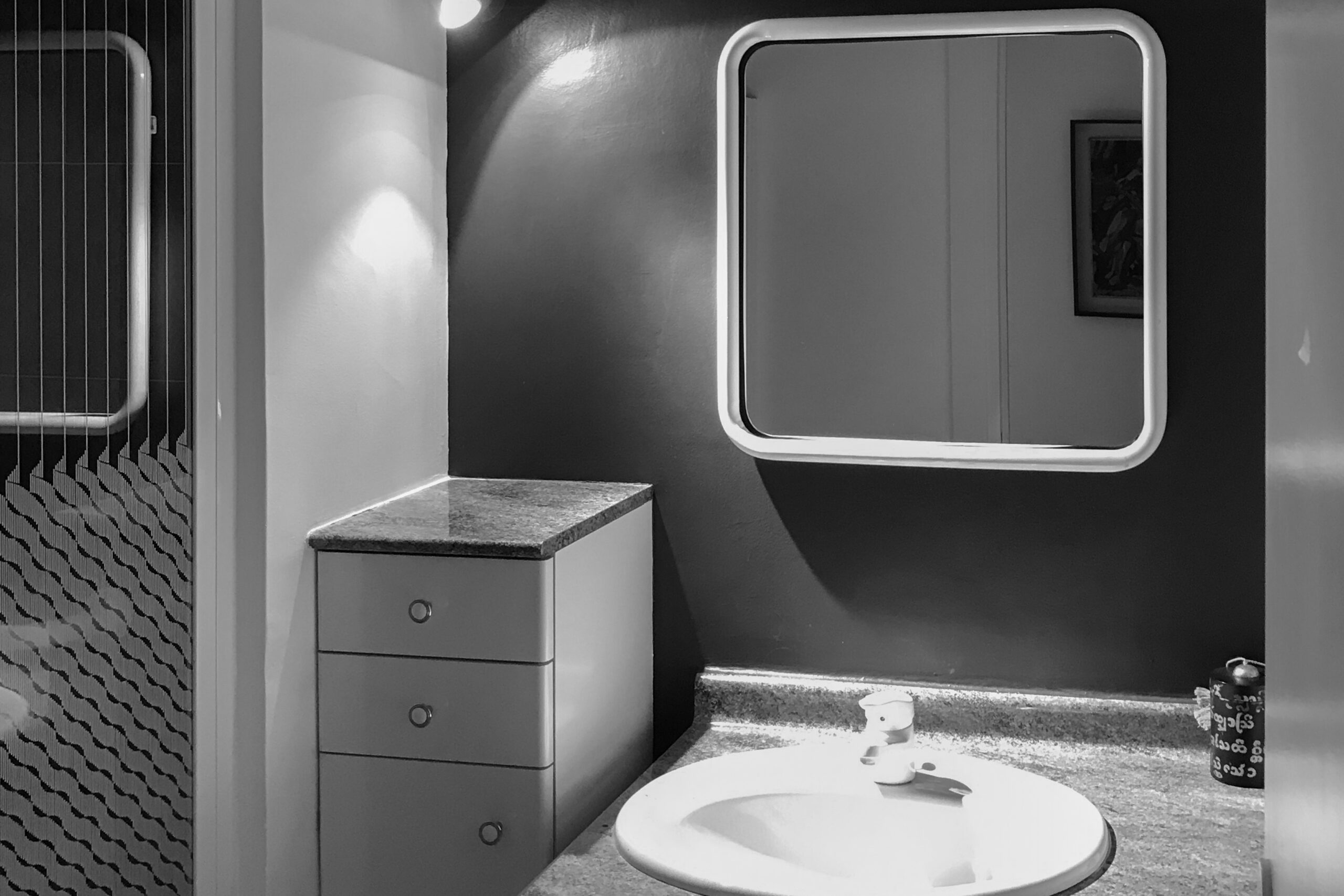
The bathroom has been treated as a minimalist water room, where the white zelliges with pearly reflections are an invitation to relaxation. The cement tile floor with palm motifs evokes the Orient and its Oases. A touch of rosy terracotta enhances the complexion as soon as you wake up.

An elegant and subtle renovation.

LE QUARTIER

Préfecture

Around the Hôtel de Préfecture, this district is one of the most lively and commercial.
  • honoraires10 000 € (excl. tax) as a fixed price
  • SHARE

Before …
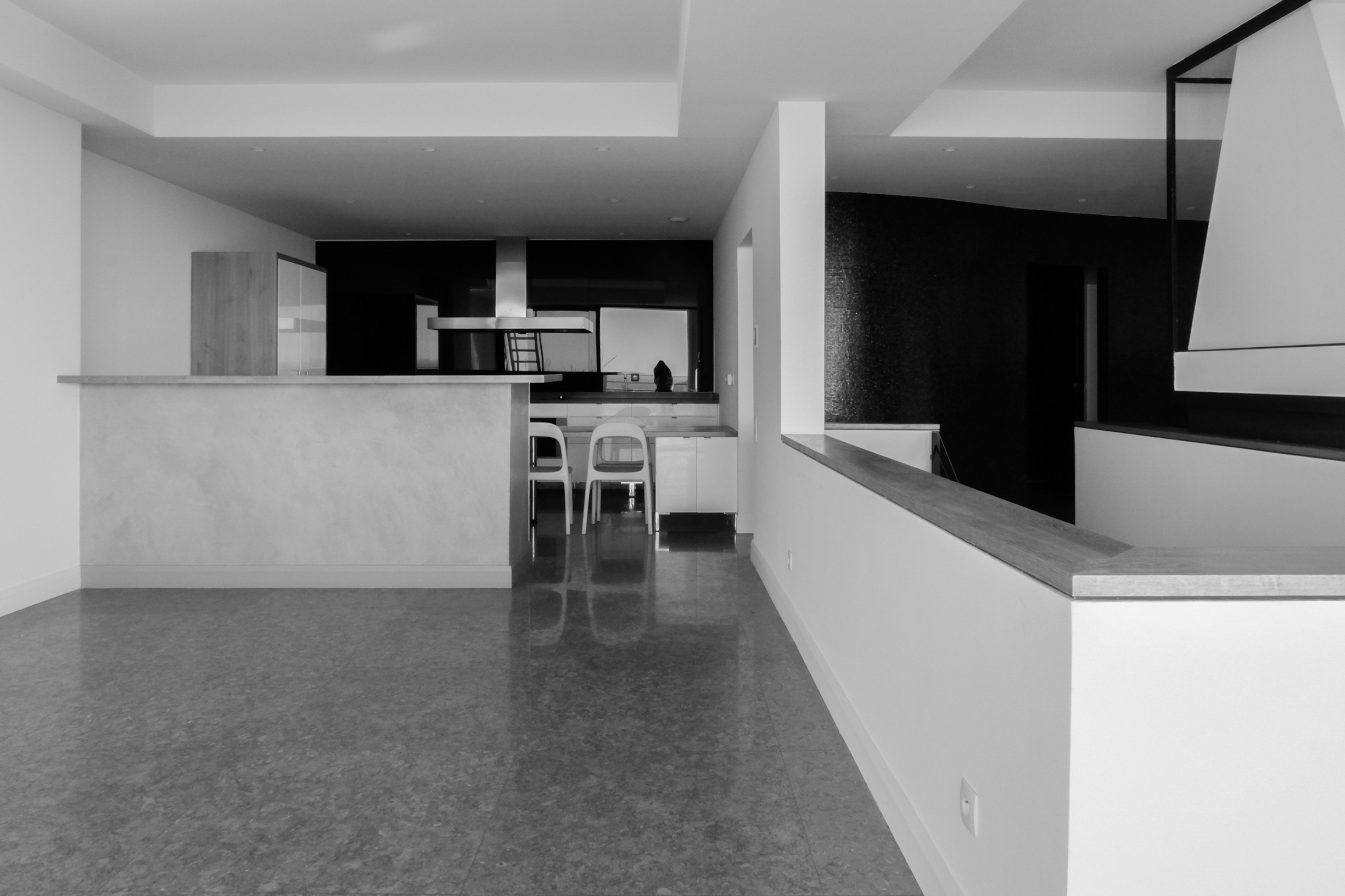
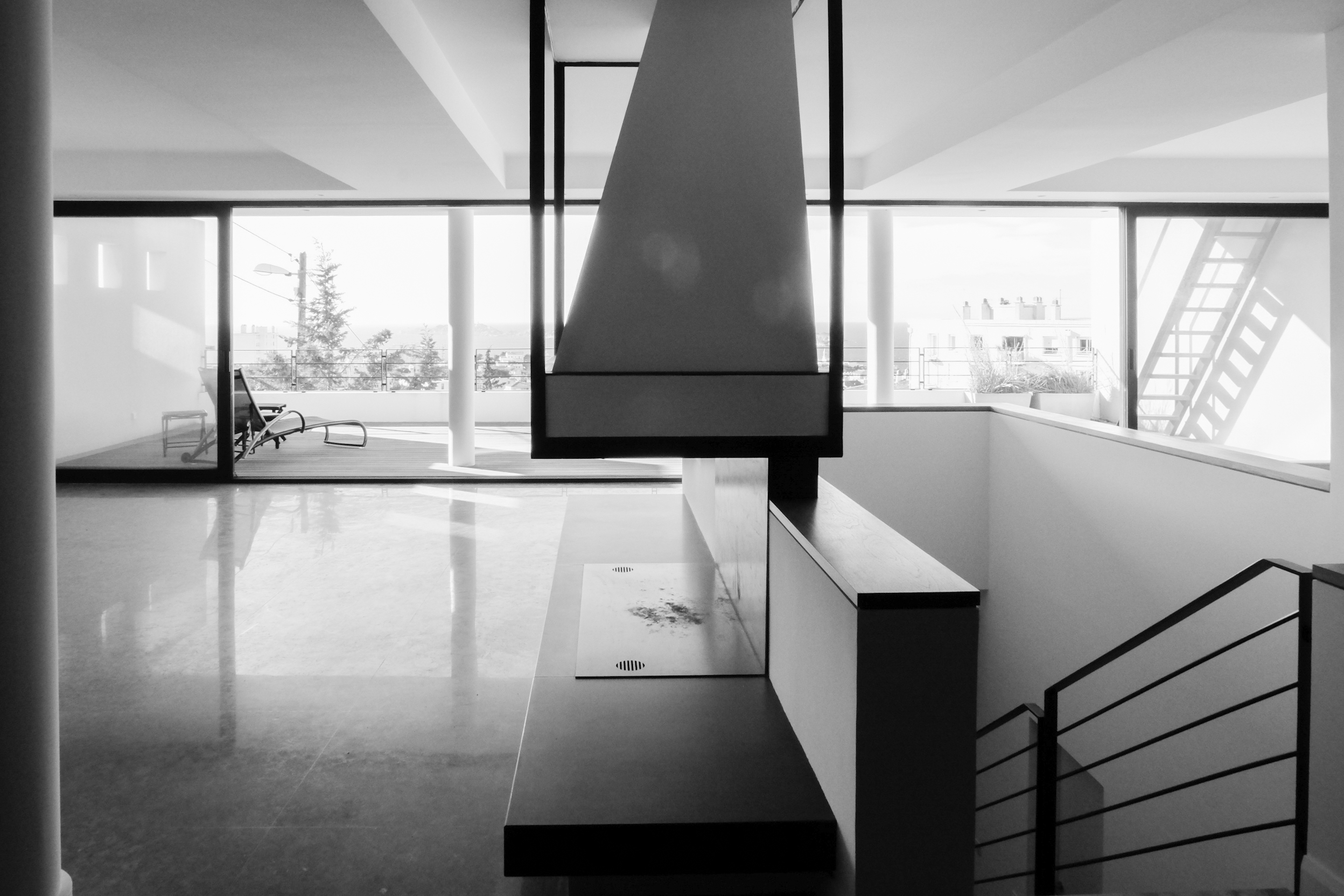
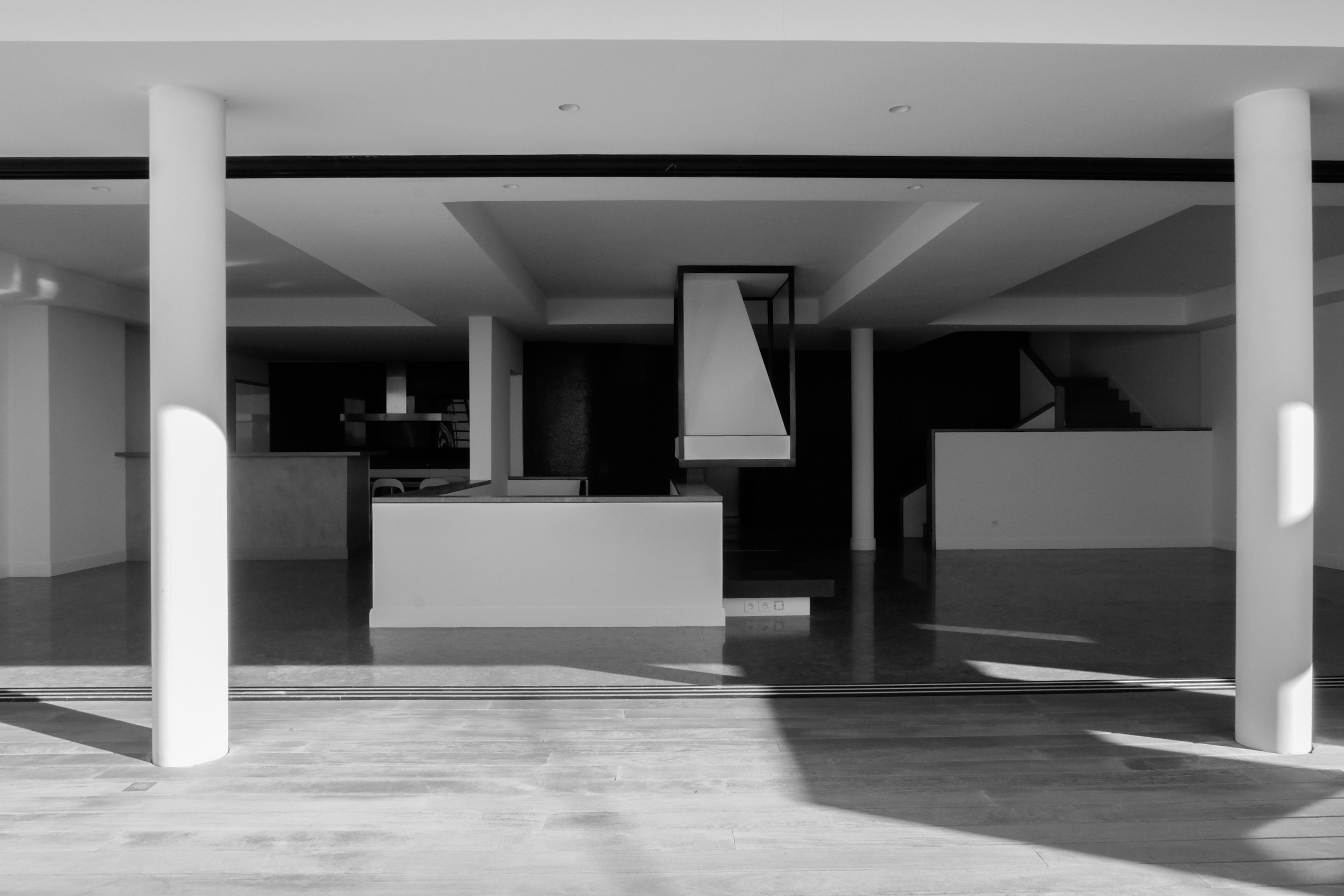
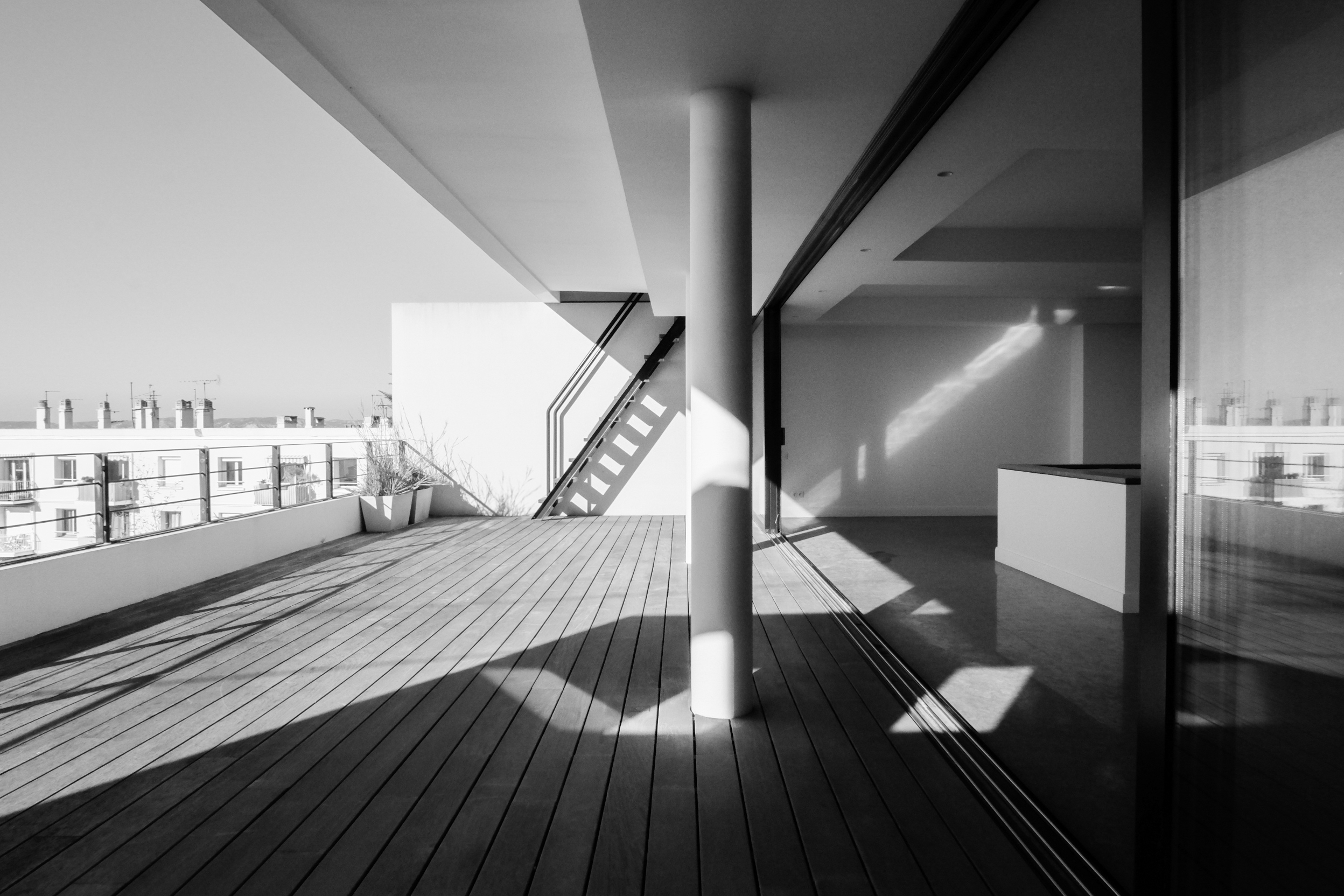
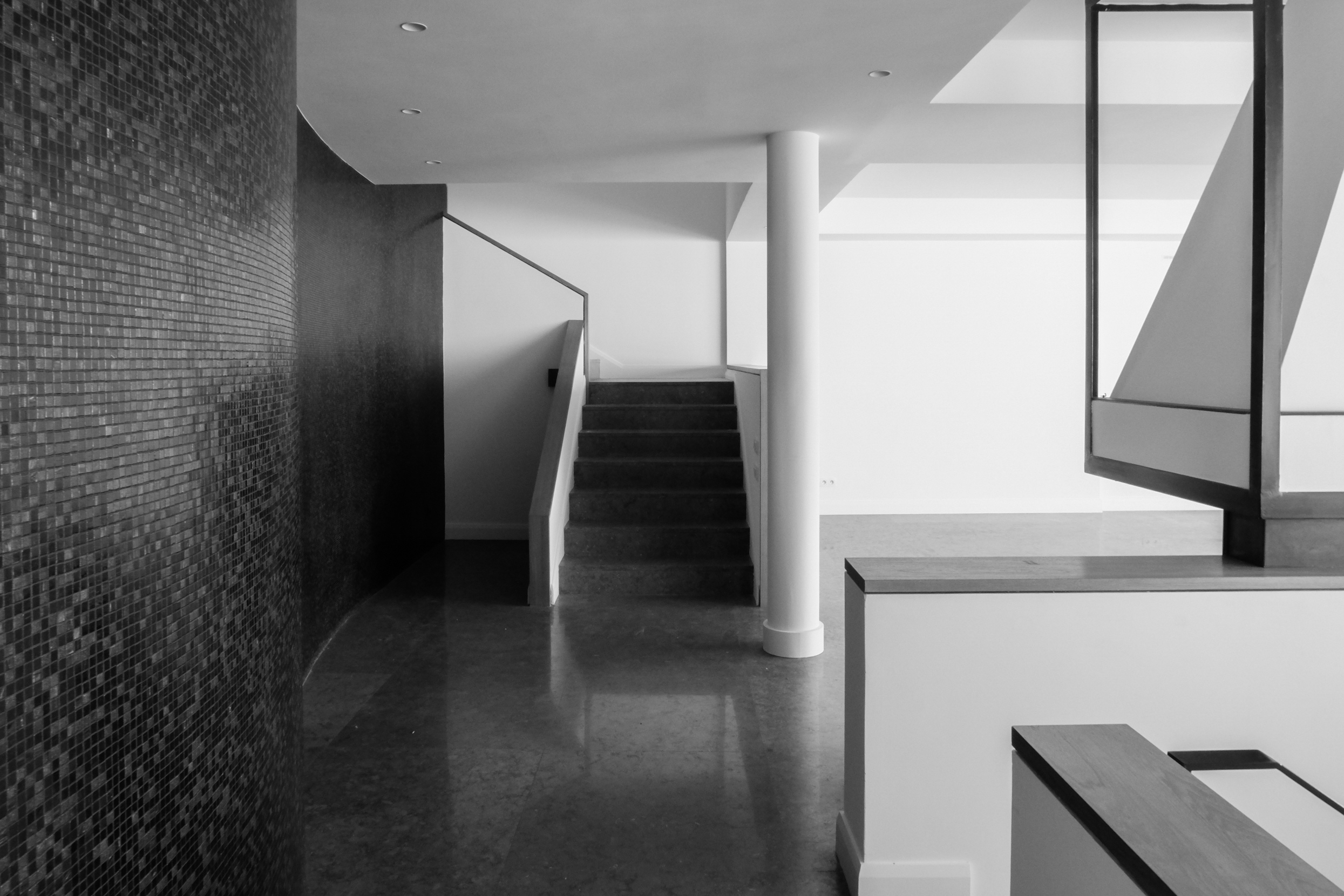
Projet moderniste labellisé Patrimoine du XXe, le Parc du Roy d’Espagne est une vaste opération d’urbanisation du Sud de Marseille partant à l’assaut des contreforts boisés du massif de Marseilleveyre qui sépare le centre-ville des Calanques. Le site naturel aura contribué à orienter le projet des architectes vers le modèle des cités-jardins.


Envisagée dès 1959, la construction sera achevée en 1974. L’ensemble comporte un dégradé de 10 tours portant des noms de régions espagnoles, ainsi que 60 villas individuelles noyées dans la végétation de la forêt, dans un cadre offrant confort, intimité, et détente. L’implantation, attentive à l’exposition solaire et respectueuse du paysage, dessine un plan de masse aéré et discontinu.


S’intégrant dans une vaste pinède, le programme crée une ville haute dans les collines. L’ensemble, qui possède ses propres équipements, allie services publics et privés, activités tertiaires et logements. Ainsi, commerces, écoles, club de loisirs, équipements sportifs en plein air, et accès direct au départ des sentiers des Calanques sont à disposition des habitants.

Guillaume Gillet & Louis Olmeta

Né en 1912 et mort en 1987, Guillaume Gillet est un architecte français, Premier Grand Prix de Rome. Connu pour son architecture moderne, il est à la tête de l’une des principales agences françaises. Il participe à de nombreux concours, réalise d’importants aménagements urbains et programmes immobiliers. Parmi ses œuvres les plus célèbres, on compte l’église Notre-Dame de Royan, le pavillon de la France à l’Exposition universelle de Bruxelles de 1958, l’École nationale de la magistrature à Bordeaux, ou encore la tour le Grand Pavois à Marseille. Une collaboration étroite avec de grands ingénieurs l’amène à travailler sur des structures innovantes, mariant habilement l’art et la technique.


Né en 1906, Louis Olmeta est un architecte marseillais. Ses réalisations se concentrent dans les années 1950 et 1960, au moment où la population augmente fortement dans la cité phocéenne. C’est avec l’arrivée de Gaston Defferre que vont se développer ses projets. En effet, le maire de Marseille lance un programme associant de gros travaux d’aménagement urbain et la construction de grands ensembles immobiliers. Louis Olmeta participe également à de nombreuses réalisations privées, souvent en association avec d’autres architectes. Louis Olmeta associe dans ses réalisations les critères du confort moderne et de l’esthétique traditionnelle par le choix des matériaux de façade et de leur dessin.

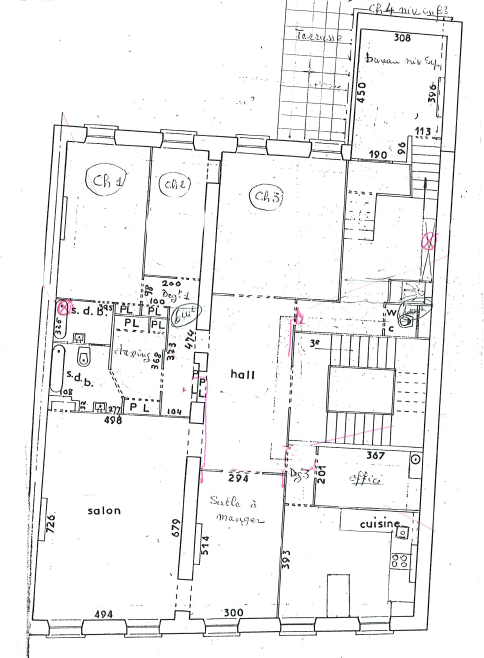
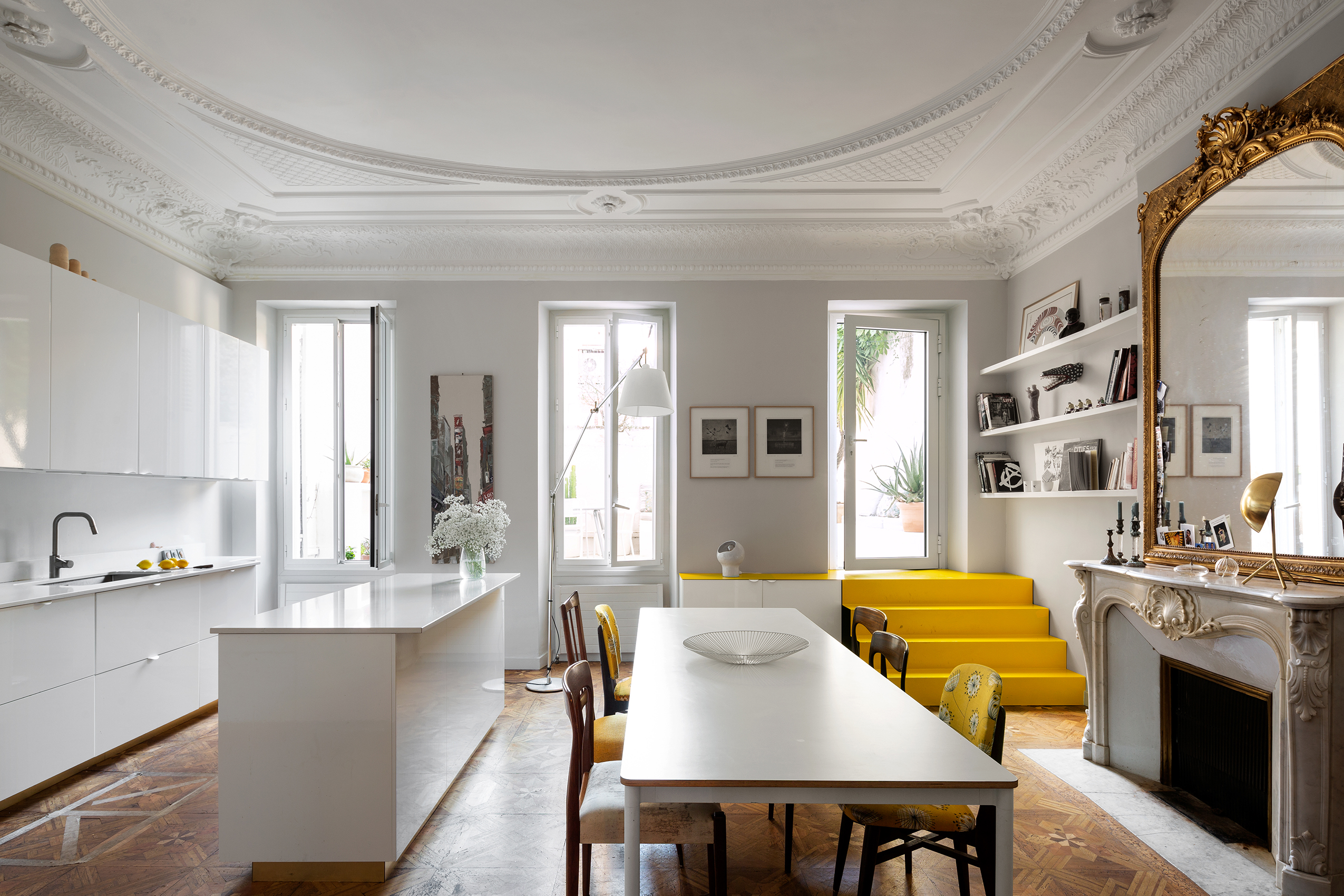
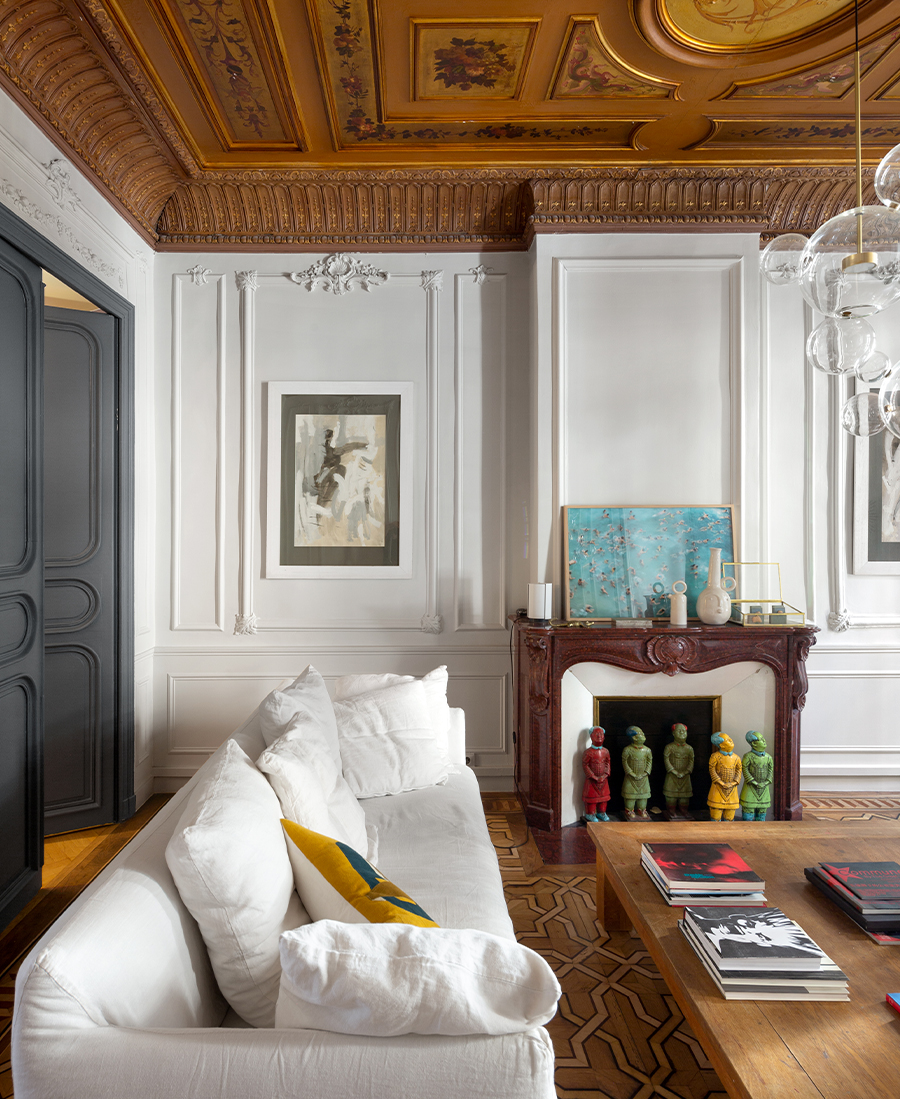
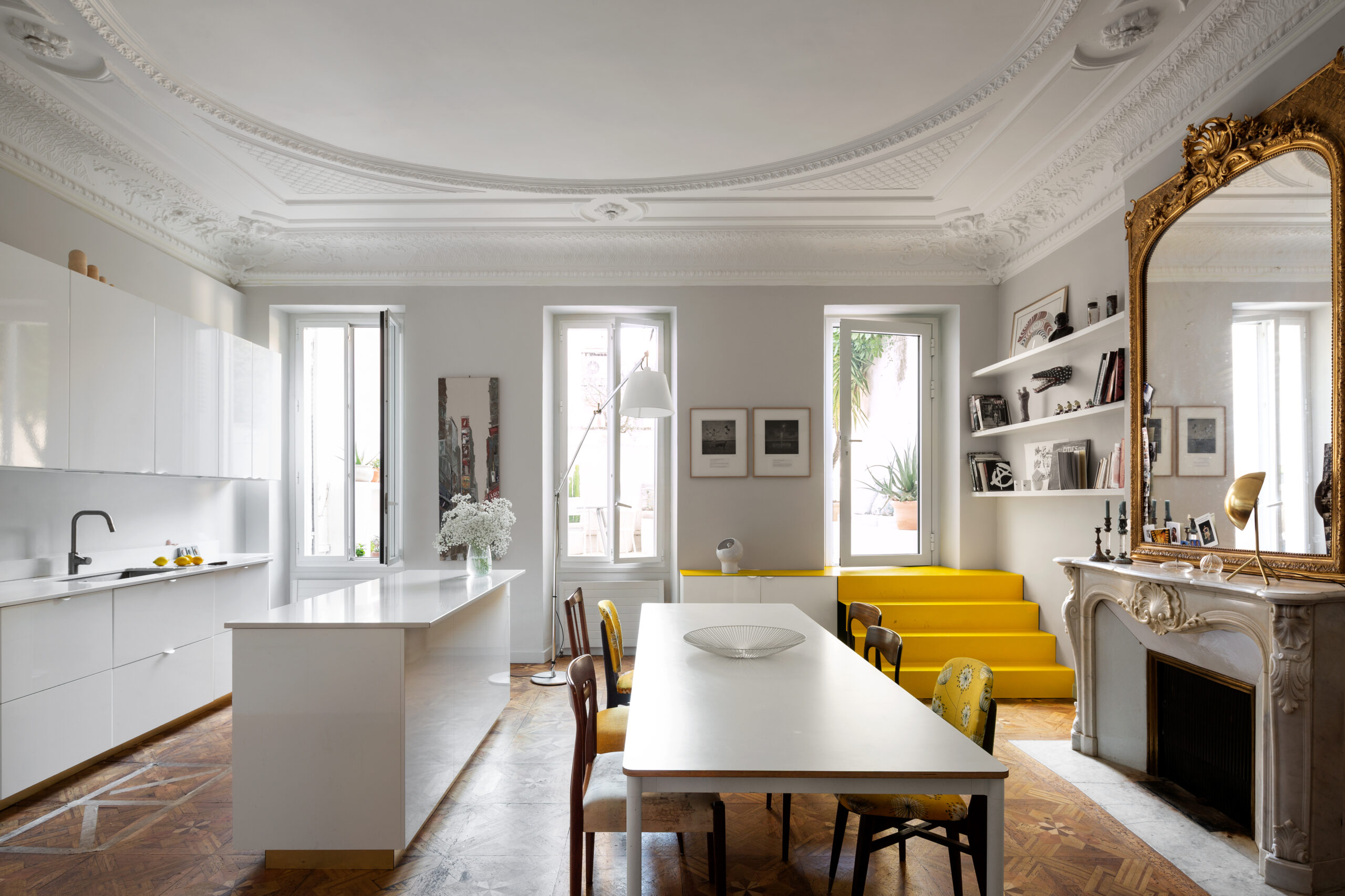
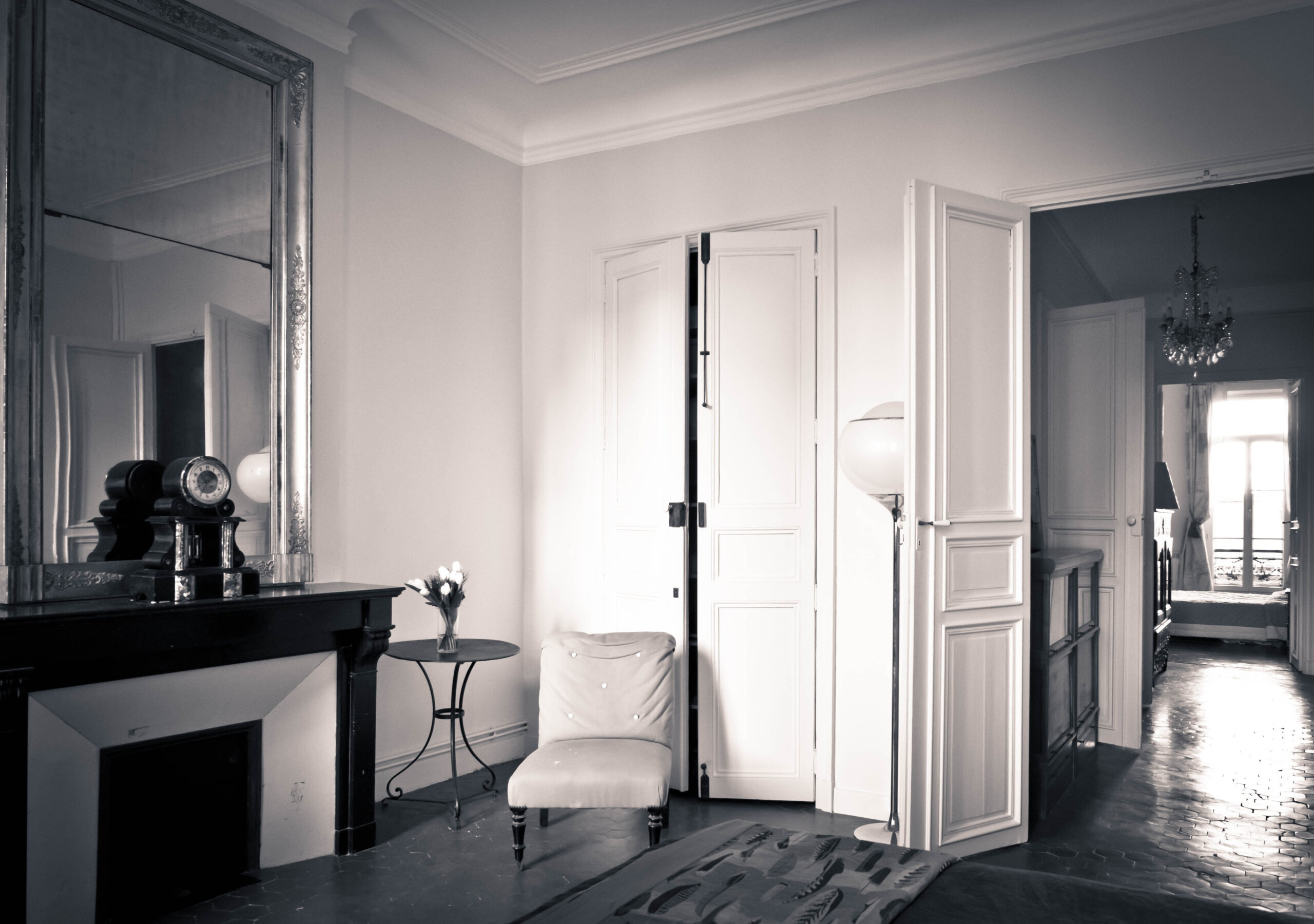
This duplex apartment in the heart of the Antiquaires district, is representative of a classic 18th century architecture. It is also a real jewel of historical heritage, perfectly preserved, which was waiting to be revitalised with a more contemporary touch. Revamped by the interior designer Chrystel Laporte, it is the result of a bold gamble: to bring a modern touch to an upper middle-class setting and turn it into a welcoming family flat.

Target

Transforming a flat occupied by a couple into a family flat, making the spaces more functional and personalised, creating a large family kitchen, access to the unused terrace, creating a new bathroom upstairs.

Course of action

To preserve the charm while modernizing; to bring lightness despite sometimes, little bit loaded elements; to emphasize what makes the flat unique; to be graphic and surprising by creating contrast.

Achievement

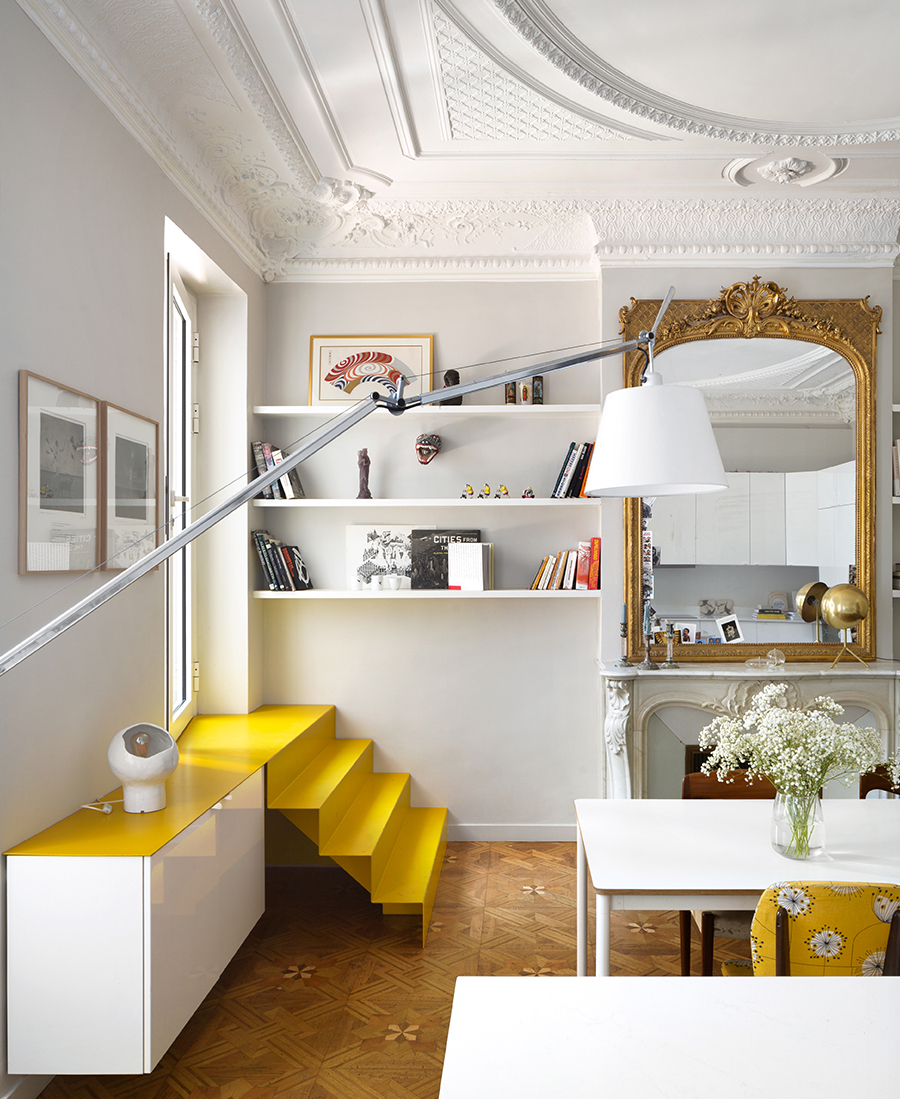
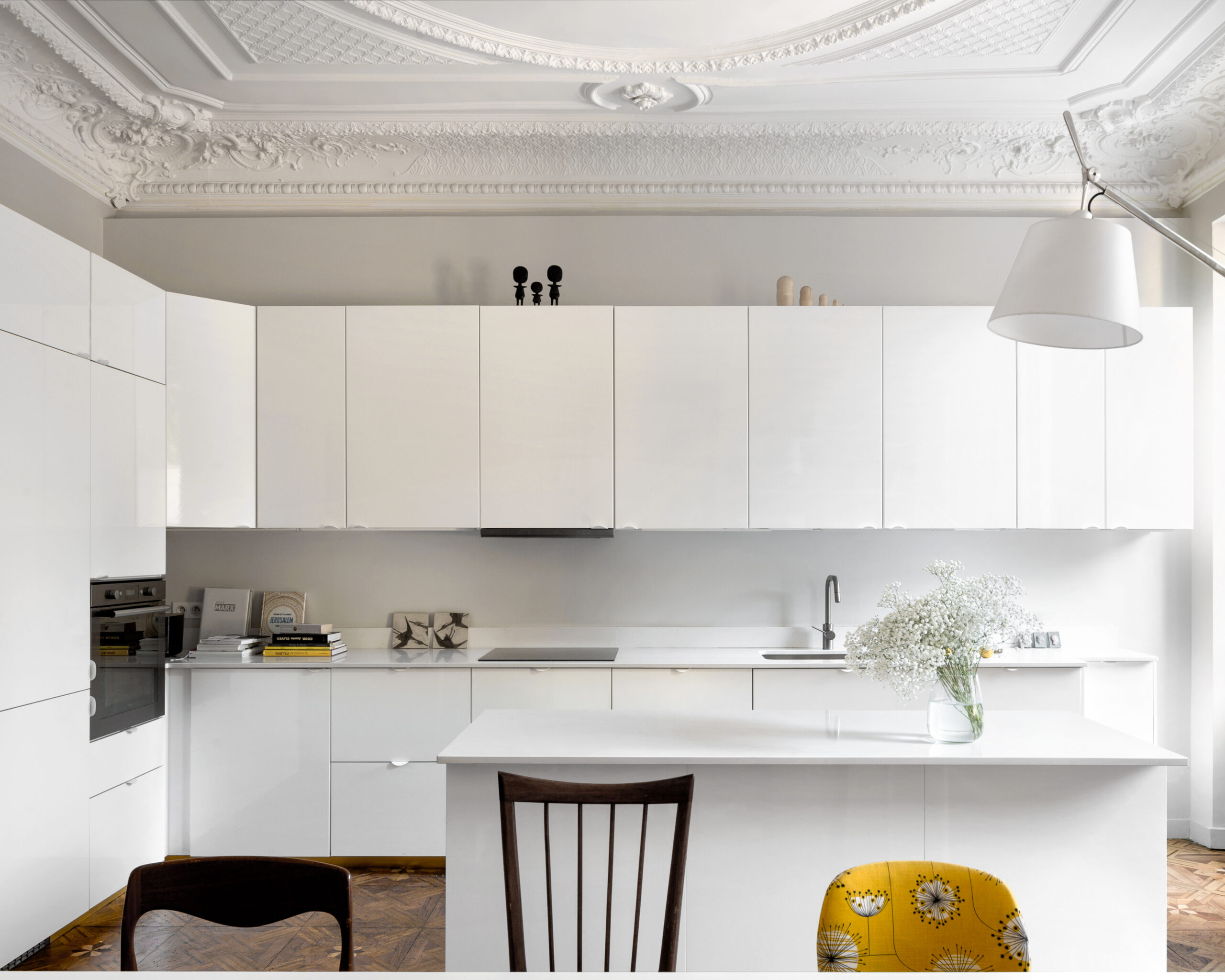
We simplified the existing ornamentation by working with whites and light to enhance it. We renovated the beautiful wood floors, with a more contemporary matt finish. We added more contemporary elements, such as the striated glass on the doors and cement tiles, but still respectful of the style of the architecture. To access the terrace, we designed an arty staircase, in a bright color responding to the immaculate white kitchen. To create contrast, was placed the ultra-contemporary kitchen directly on inlaid parquet, and the light and airy lighting fixtures were chosen to soften the heavy ceiling. We rekindle the terrace with masonry benches, cactus, and white walls, giving to it a nice Mediterranean feel.

A beautiful re-birth!

  • Crédits photosGabrielle Voinot
  • SHARE

Before…

Posture(s) I Anthony Guerrée

March – May 2023

The exhibition Posture(s) retraces the creative process of the French designer Anthony Guerrée, and allows to discover how he draws a seat from a posture.

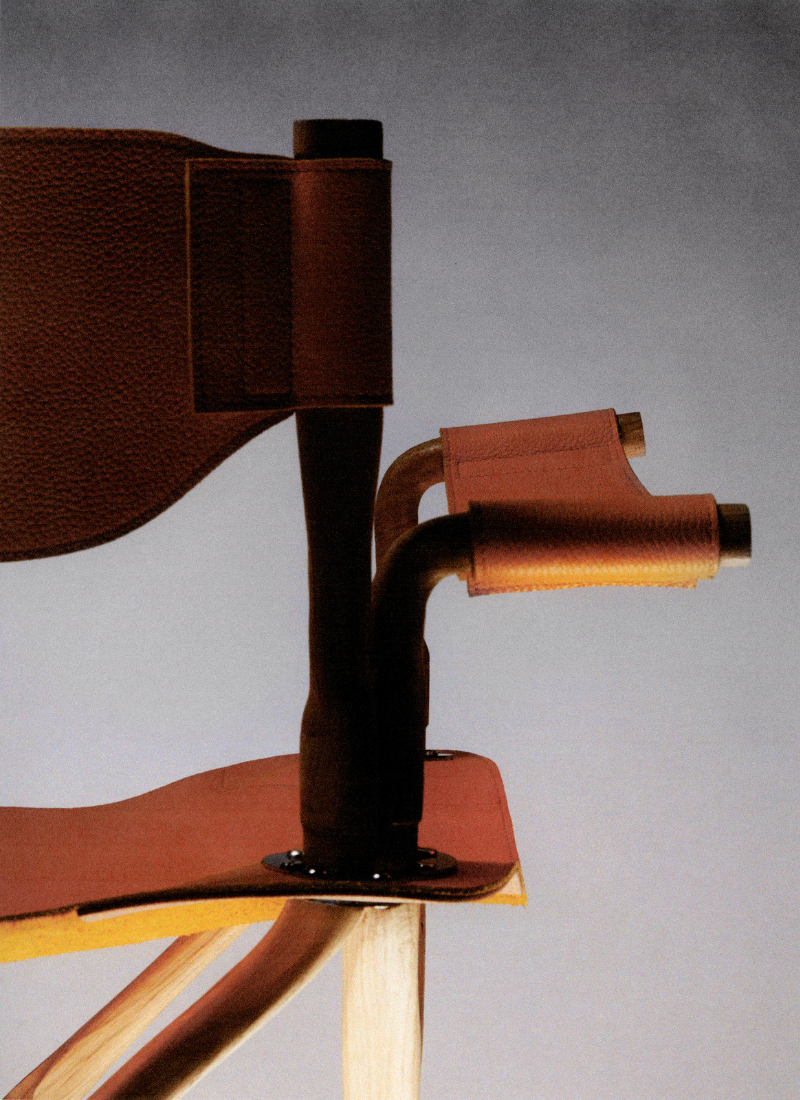
This scenography honors the research work that the French designer Anthony Guerrée has been conducting for several years around « the seat ». This functional furniture orientates by its conception and its design, the posture that one adopts in contact with it and consequently its use. The inclination can either invite discussion and sharing, or conversely, withdrawal. ARCHIK and Anthony Guerrée invite visitors to immerse themselves in the designer’s creative process by exhibiting the sketches and models of his chair collection entitled « Les assises du temps perdu », inspired by the characters in Marcel Proust’s novel « À la recherche du temps perdu ».

As the new director of Habitat’s design studio, Anthony Guerrée delved into the brand’s archives and developed his first chairs. UP and DELTA, two strong pieces with clear geometric shapes that offer a play of full and empty spaces, are exhibited here at the Maison ARCHIK Marseille.

Anthony Guerrée

Anthony Guerrée is one of those designers who are about to mark our decade. Trained at the Ecole Boulle, the designer just graduated and joined the prestigious Studio Andrée Putman where he designed custom-made furniture for major architectural projects. He then spent five years working with Christophe Delcourt, designing furniture for his eponymous brand, as well as for international collaborations.

In 2020, Anthony Guerrée launched his own design studio. It was then that he unveiled his first manifesto project inspired by his reading of Proust, « Les assises du temps perdu », each corresponding to a character in the book. In 2022, the « Verdurin » chair from the same collection entered the collections of the Mobilier National. At the same time, he was awarded the « French Design » prize at the Élysée Palace.

At the same time, he designs for many French and international brands such as Kann Design, Linteloo or Nosten. In September 2022, he exhibited at La Maison La Roche (Fondation Le Corbusier) his collection « Fragments» which he had imagined for M Éditions, a design publisher created by Les Marbreries de la Seine, and which questions two myths: Greek architecture and Le Corbusier. The same year, he was named director of the design studio for Habitat.

« Drawing a seat is above all drawing a posture, an attitude, a way of sitting with others. »

INFORMATION

Dates

From March 2nd to May 31st 2023
in Maison ARCHIK Marseille

Designer’s website

Varnishing

États de verre I ATELIER GEORGE

Novembre 2022 – Février 2023

As part of the launch of its Revue N°4 on the theme of glass, ARCHIK presents an exhibition as a tribute to this timeless, malleable and infinitely reusable material, which has been present in architecture and design for decades.

This exhibition highlights the co-creation of the TANGO edition. ARCHIK has given Atelier George carte blanche to create a scenography illustrating the blown glass technique through the production of the TANGO edition and the cast glass alongside a selection of pieces from its “Cime” collection.

The TANGO edition is displayed among the laser-cut poplar moulds used to create the fluted decoration of each element of this nomadic set. It consists of a carafe and two glasses that fit together like Russian dolls to create a sculptural totem.

On the other side, an extract from the “Cime” collection by Atelier George. The pieces were created by taking impressions of plants in molten glass. Cradled by the planet’s vibrations, this line encapsulates traces of the surrounding plant world. They light up, rest or cling.

Atelier George

Atelier George is a duo composed of Eve George and Laurent Fichot, designers and glassblowers.

After studying at the Ecole Boulle, then at the ENSCI in Paris, Eve specialised in glass. She joined the CERFAV – Centre Européen de Recherche et de Formation aux Arts Verrier – and became a Compagnon Verrier. For his part, Laurent, who comes from a family of ceramists, benefited from training from an early age.

Laurent, for his part, studied art throwing and cane blowing, and then became a professional in fine houses such as Cristalleries Saint-Louis or Lalique, and in artisanal workshops such as Biot. He joined the Centre International d’Art Verrier (Meisenthal) where he made custom-made pieces for designers and artists.

At Atelier George, they work together from design to production. Their work includes lighting, tableware and wall tiles, all made using molten glass techniques. Each object in the Atelier is unique: thanks to the mastery of glass blowing, the objects are never reproduced identically.

Opaline globes, wooden moulds and broken glass make up this scenography inspired by a glassblower’s workshop.

INFORMATIONS PRATIQUES

Dates

De novembre 2022 à février 2023
à la Maison ARCHIK Marseille

Site des designers

Plus de photos

In the heart of Mazargues, the exterior of this apartment was already structured by its shape but never really invested. A challenge in only 50 m2!

Target

The exterior of this apartment, located close to the hills of Marseille, was already structured by its shape but never invested. It consisted of a wooden terrace that covered the entire space, and on the side, an outdoor shower/mini pool to cool off in the summer. It was essential for the clients to protect themselves from the opposite side of the house, to occupy this exterior as a real additional living room. A challenge in only 50m².

Course of action

Vegetate the whole space, but also create real distinct living spaces.

Achievement

The shower/mini pool area has been rethought in the choice of materials, a square blue Onyx mosaic has been put in place, to allow this element visible from the living room, to be an “object” highlighted summer and winter. The low wall separating it from the terrace was widened to provide a comfortable seat on both the shower/mini pool side and the terrace side. Facing this element, a module in waxed concrete and red cedar comes to dress the wall until now unoccupied and is broken up of several elements: air conditioner cover, summer kitchen and large masonry bench. These elements allow the installation of a lounge area, to spend convivial moments from the arrival of the beautiful days.

To protect the terrace from the opposite side, the openwork red cedar and metal screens close the terrace on the hillside without depriving the owners of the green view. The colors of the landscape are also found on the terrace: shades of green/gray for the plants, Ravel pottery in white terracotta, and a planter in earth fiber. Even the choice of furniture (Fermob and Arkimueble) links the different shades of the hills and the sea that is so dear to them.

Finally, a custom-made awning protects the entire length of the terrace and custom-made seat cushions have been designed in nautical fabrics, all made to measure for optimal comfort.

A renovation that smells like summer!

LE QUARTIER

Mazargues

A real village in the city, it has kept this spirit around its shopping streets.
  • Crédits photosGabrielle Voinot
  • SHARE

Before …

In the heart of the Carré d’Or hides this unsuspected garden level. Left abandoned for a long time and split in two by a wall, it was the result of a long renovation.

Target

To find a ‘real garden’ and to be able to embrace the space in its entirety from the house.

Course of action

Structuring the space into two distinct functional areas: a garden area and a parking area. The two spaces being on two different levels.

Achievement

In the garden area, the existing plants have been deliberately preserved and enhanced. The existing plant palette was already diversified and interesting: apricot tree, laurel, olive tree, medlar tree, almond tree, etc. The beds were simply restructured with perennials and lower plants (agaves, stipa, creeping rosemary, thyme, gaura, etc.) and delimited by corten steel, in order to highlight them. The lighting of these beds has also been designed to give perspective to the garden and verticality to the existing limestone walls. The central space is grassed, hosting a beautiful tree with light and evergreen foliage (false pepper tree). It also allows to reduce the vis-à-vis from the upper floors of the building. All around, a large terrace in exotic wood offers various living spaces: garden furniture, dining area, etc.

The difference in level with the parking space is managed by a wooden step in the extension of the terrace and in the almost total width of the garden. In order not to have a continuous view of the bottom of the garden, we have created a white concrete screen made to measure, with an openwork pattern, reminiscent of those already present on the ironwork in place. This element becomes the masterpiece of this garden.

A true haven of peace in the heart of downtown Marseille!

LE QUARTIER

Périer – Delibes

An extension of the very chic Carré d'Or, Périer is one of the most sought-after neighborhoods...
  • Crédits photosElodie Wehrlen
  • SHARE

Before …