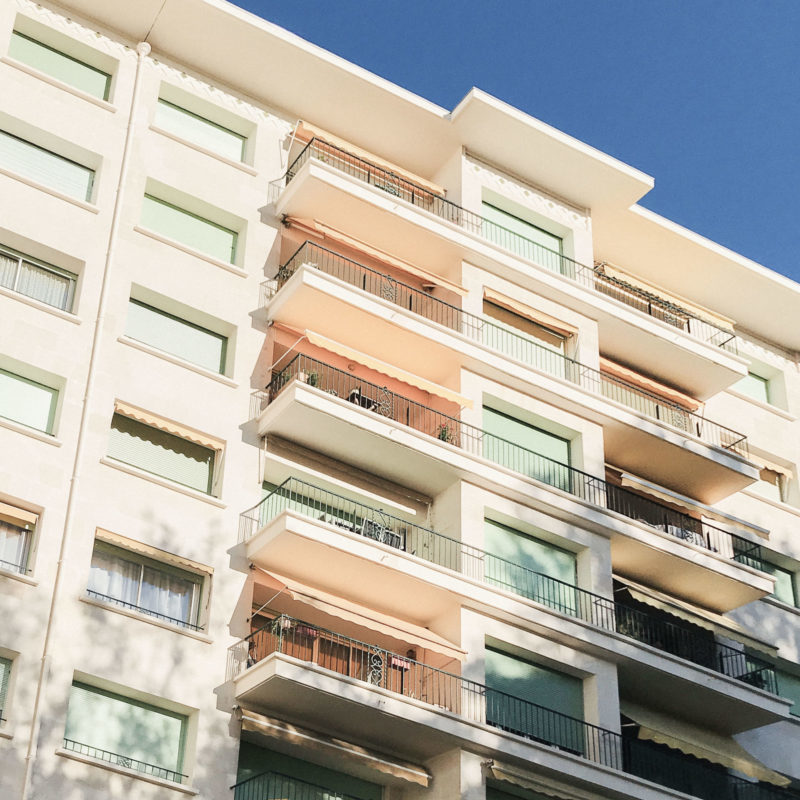

Cet ensemble construit entre 1946 et 1953 est signé des célèbres architectes René Egger et Fernand Pouillon, appuyé par les sculptures du céramiste aixois Jean Amado.

Les lotissements de La Tourette et du Vieux-Port sont des exemples de construction moderne en pierre massive prédécoupée, l’une des méthodes récentes de construction en pierre. La Tourette comprend le premier gratte-ciel en pierre, une tour de 16 étages réalisée en pierre massive prédécoupée porteuse. L’architecte Pouillon estimait que « Plus l’habitat est modeste, plus l’architecture doit être monumentale ».

Fernand Pouillon & René Egger

Né en 1912 et mort en 1986, l’architecte et urbaniste français Fernand Pouillon fut l’un des grands bâtisseurs de l’après-guerre. Précurseur du concept de développement durable, il prendra soin sur chacun de ses chantiers, de faire appel à l’artisanat local, il collabore avec des artistes sculpteurs, des céramistes et des paysagistes. Ses réalisations se parent de matériaux durables et ont le souci de respecter le paysage naturel.

René Egger (1915-2016) est un architecte moderniste français connu comme l’un des bâtisseurs de Marseille. Dans la période de la Reconstruction après-guerre, aux côtés de Fernand Pouillon, il fonde d’emblématiques édifices tels que l’hôpital Nord et la faculté de médecine de la Timone. Architecte discret sous l’aile de Gaston Defferre, son trait de crayon n’en a pas moins bouleversé la cité phocéenne. Il a dessiné Marseille telle qu’on la pensait à l’époque, sous un angle fonctionnel et monumental.

Vieux-Port

The Port of Marseille is the heart of the city, one of the most important in Europe but, above all, one of the most picturesque.

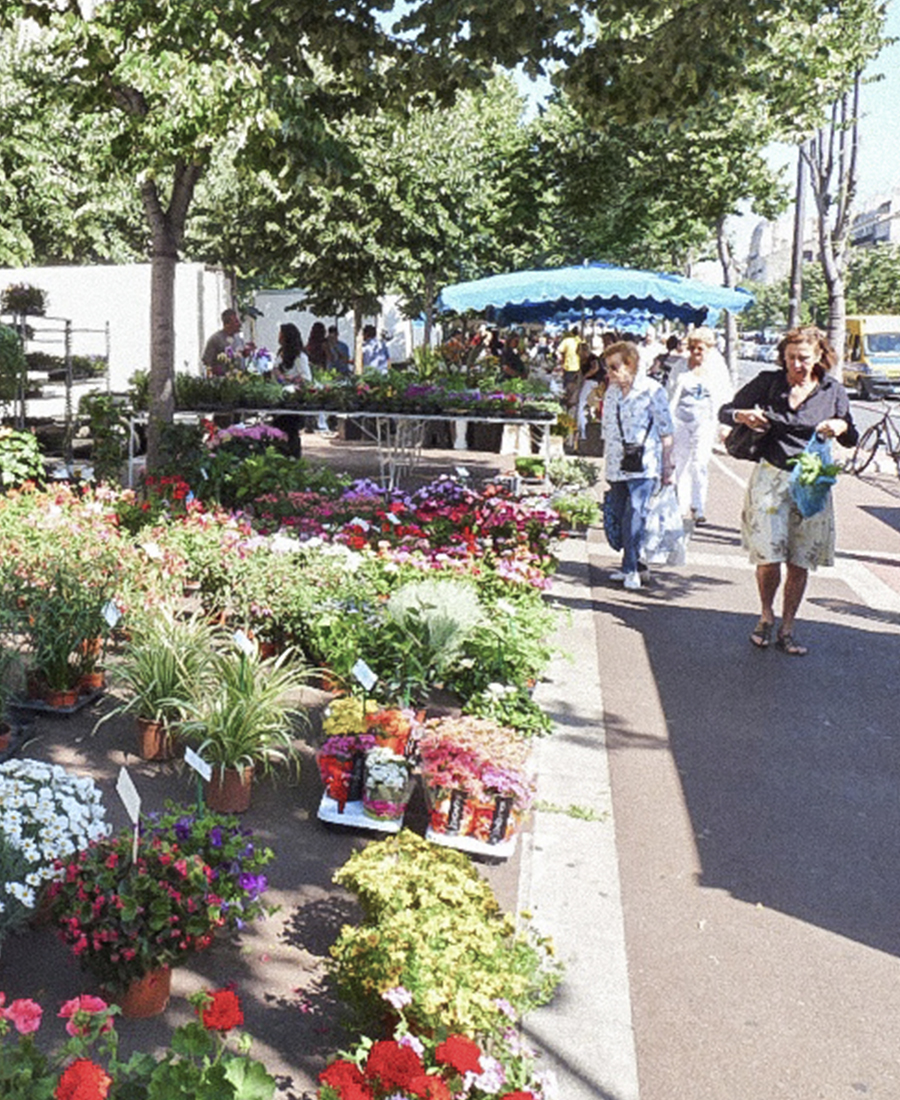
This is one of the most lively neighborhoods in the city. A place to meet and exchange, this site is suitable for young working people for its central location and its lively neighborhood life.

Perfectly served by the metro, numerous buses and several maritime services, it is a rich historical and cultural center. Not far from numerous restaurants, brasseries, trendy local shops, it offers all the conveniences to its inhabitants, all in a pleasant setting that is constantly evolving and diversifying.

Following the redevelopment of the Old Port, the British architect Norman Foster signed a mirror in the shade, an architectural creation, design but especially high-tech that is the exact reversal of the water of the port. A work that takes its place alongside the buildings built in the 1940s by the architect François Pouillon, achievements that are now classified.

Opéra

Not far from the old port and rue Paradis, Opéra is an elegant district of the city center, the atmosphere is heterogeneous, high-end boutiques rub shoulders with unpretentious shops.

Opéra is a truly lively area with numerous schools, entertainment venues, notably the Municipal Opera, and various trendy bars and restaurants.

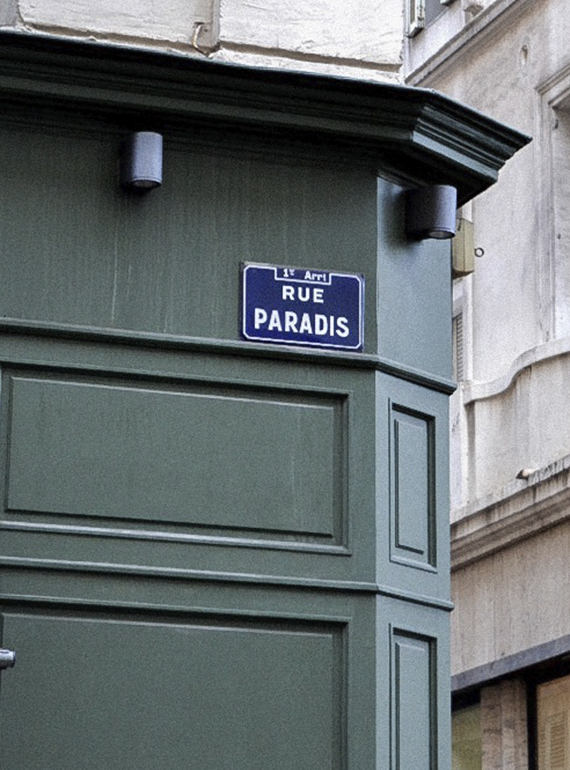
Essentially made up of luxury buildings, this district offers an ideal living environment for young professionals, such as the building designed by Paul Mouren located in the heart of rue Paradis, a building with strong Beaux-Arts inspirations.