Édifiée entre 1965-1977, la résidence les Katikias est une des plus belles réussites en matière d’ensemble de logement collectif de vacances dans la période des 30 Glorieuses. Fruit de la collaboration fructueuse entre l’architecte Jean Dubuisson et la société SETIMEG, la résidence Les Katikias est classée au label « Patrimoine XXème ».

Ses caractéristiques esthétiques et modernes contribuent à son intérêt ainsi que la réponse qu’elle apporte en matière d’intégration au site et d’adaptation aux contraintes : interprétation de la vue, répartition des logements et des espaces de circulation.

La résidence est construite à partir d’une structure en béton armé et habillée d’éléments de façade préfabriqués en béton le tout recouvert d’un enduit lisse animé par des bandeaux sombres. L’architecture en gradins sur trois niveaux permet de conserver l’indépendance de chaque unité de logement malgré la superposition ainsi que d’offrir la meilleure vue sur la baie de Bandol. Cette orientation unique vers le Sud assure un ensoleillement maximal, tout en conservant en permanence une zone d’ombre dans le patio.

L’ensemble profite d’un club house et d’une piscine.

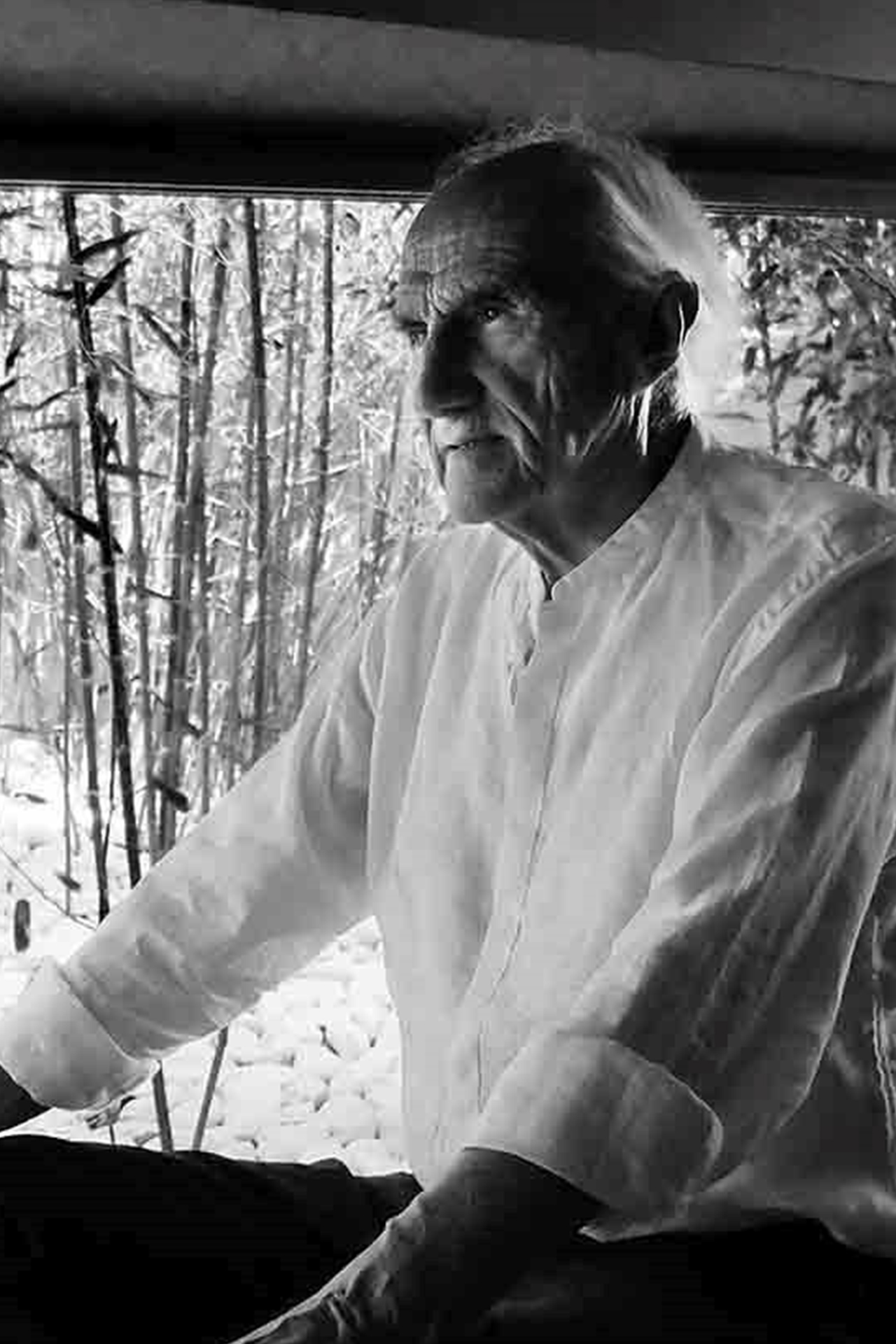
Jean Dubuisson

Jean Dubuisson (1914-2011), est un architecte français, auteur de nombreux projets, notamment de logements, durant les Trente Glorieuses et la Reconstruction.

Jean Dubuisson débute ses études d’architecture à l’École des Beaux-arts de Lille puis les poursuit à Paris à l’École nationale supérieure des Beaux-arts, d’où il sort diplômé en 1939.

Au milieu du 20e siècle, l’architecte propose un habitat lumineux, raffiné et ergonomique. L’attention particulière qu’il dédie au décor et au paysage ennoblit ses façades légères, par la création d’un vocabulaire moderne sinon moderniste. Il contribua grandement à inventer la production de logements de masse, primordiale dans ces années d’après-guerre, avec la mise au point de procédés d’industrialisation de la construction.

Connu notamment comme l’auteur du Musée national des arts et traditions populaires, dans le Bois de Boulogne, du grand ensemble du quartier Maine-Montparnasse rue du commandant Mouchotte à Paris et de la barre dite “La Caravelle” à Villeneuve-la-Garenne dont la remise au goût du jour en 2004 a suscité de vives réactions, Dubuisson obtiendra en 1996 le Grand prix national de l’architecture, récompensant ainsi l’ensemble de sa longue carrière.

Verduron

Located in Marseille's 15th arrondissement, the Verduron district, nestled between Les Aygalades, Saint-Antoine and Saint-Louis, Verduron is appreciated for its friendly atmosphere and proximity to nature.

The neighborhood is surrounded by green hills and offers superb panoramic views of the Mediterranean. There are plenty of green spaces, perfect for strolling and relaxing in the open air.

The neighborhood boasts essential amenities such as local shops, schools and sports facilities. It offers a pleasant living environment, ideal for families and people looking for a peaceful setting.

La Treille

Located in Marseille's 11th arrondissement, the Treille district is a haven of peace away from the hustle and bustle of the city. Nestled between the La Valentine and La Pomme districts, La Treille offers an idyllic, unspoilt setting.

The district takes its name from the famous Château de la Treille, a magnificent eighteenth-century building. Surrounded by green hills and vast natural spaces, the district is a paradise for nature lovers and outdoor enthusiasts.

Renowned for its picturesque landscapes, vineyards and olive groves, the area is also known for its narrow, winding streets lined with small traditional houses.

Cet ensemble construit entre 1946 et 1953 est signé des célèbres architectes René Egger et Fernand Pouillon, appuyé par les sculptures du céramiste aixois Jean Amado.

Les lotissements de La Tourette et du Vieux-Port sont des exemples de construction moderne en pierre massive prédécoupée, l’une des méthodes récentes de construction en pierre. La Tourette comprend le premier gratte-ciel en pierre, une tour de 16 étages réalisée en pierre massive prédécoupée porteuse. L’architecte Pouillon estimait que « Plus l’habitat est modeste, plus l’architecture doit être monumentale ».

Fernand Pouillon & René Egger

Né en 1912 et mort en 1986, l’architecte et urbaniste français Fernand Pouillon fut l’un des grands bâtisseurs de l’après-guerre. Précurseur du concept de développement durable, il prendra soin sur chacun de ses chantiers, de faire appel à l’artisanat local, il collabore avec des artistes sculpteurs, des céramistes et des paysagistes. Ses réalisations se parent de matériaux durables et ont le souci de respecter le paysage naturel.

René Egger (1915-2016) est un architecte moderniste français connu comme l’un des bâtisseurs de Marseille. Dans la période de la Reconstruction après-guerre, aux côtés de Fernand Pouillon, il fonde d’emblématiques édifices tels que l’hôpital Nord et la faculté de médecine de la Timone. Architecte discret sous l’aile de Gaston Defferre, son trait de crayon n’en a pas moins bouleversé la cité phocéenne. Il a dessiné Marseille telle qu’on la pensait à l’époque, sous un angle fonctionnel et monumental.

La Valentine

Known for its shopping malls, this district of Marseille's 11th arrondissement alternates between its two faces: the historic, traditional Valentine that revolves around the village, and the ultra-modern Valentine of the shopping areas.

Nestled in the hinterland of Marseille, the district is surrounded by hills. In its historic village, the atmosphere is friendly and the picturesque alleyways invite you to take a stroll. The atmosphere is warm, with cafés and restaurants offering Provencal specialties. The Château de la Buzine and Pagnol’s Château Saint-Antoine dot the landscape.

Located in the heart of the village, the “Brewery of the Phoenix”, built in 1872 and still adorned with a bird from Egyptian mythology at the entrance to the administration building and brewhouse, is now owned by the Heineken group.

Nature lovers will be delighted by the proximity of the Étoile massif, offering magnificent hiking trails.

Montredon

Close to nature, Montredon is ideally located between the sea and the garrigue at the end of the 8th district of Marseille.

Authentic and charming, the Montredon district is nestled at the southern end of the Cité Phocéenne, between the Pointe Rouge and the calanques. Crossed by the avenue de la Madrague de Montredon and its local shops, this residential area bordered by beaches and creeks has kept its character of a former fishing village.

The Parc Pastré, at the foot of the Calanques National Park, is a green space much appreciated by the inhabitants of Marseilles for its vast lawns, its horse riding centre and its double panorama of sea and hills. During their strolls, walkers can admire the Château Pastré, an architectural beauty completed in 1862 according to the plans of the architect Jean-Charles Danjoy. This Provençal bastide of stone and pink brick with rounded facades, which once belonged to a family of Marseilles notables, is the cornerstone of the local heritage.

Away from the town centre, the Montredon district was also an important industrial centre during the 19th century. Today, its old glassworks, marble factories and other factories are gradually being rehabilitated. A figure of the revival of Marseille’s culture, the Friche de l’Escalette has been home to an art centre for a few years now, including a sculpture and architecture park, and regularly offers exhibitions and tours.

Saint-Charles

Located in the 1st arrondissement, the Saint-Charles district is right in the heart of Marseille, close to the eponymous train station. Bordered by the Noailles, Belsunce, Thiers and Arenc districts, it offers a lively, multicultural atmosphere.

As part of the Quartiers Libres urban development project, the Saint-Charles district is set to benefit from a new dynamic. Already undergoing a major transformation, the district is home to the Faculty of Law and Economics, as well as the new Marseille School of Architecture.

In addition to the railway station that bears its name, the district is very well served by public transport, as it is central.

The nearby Noailles market offers a wide variety of products.