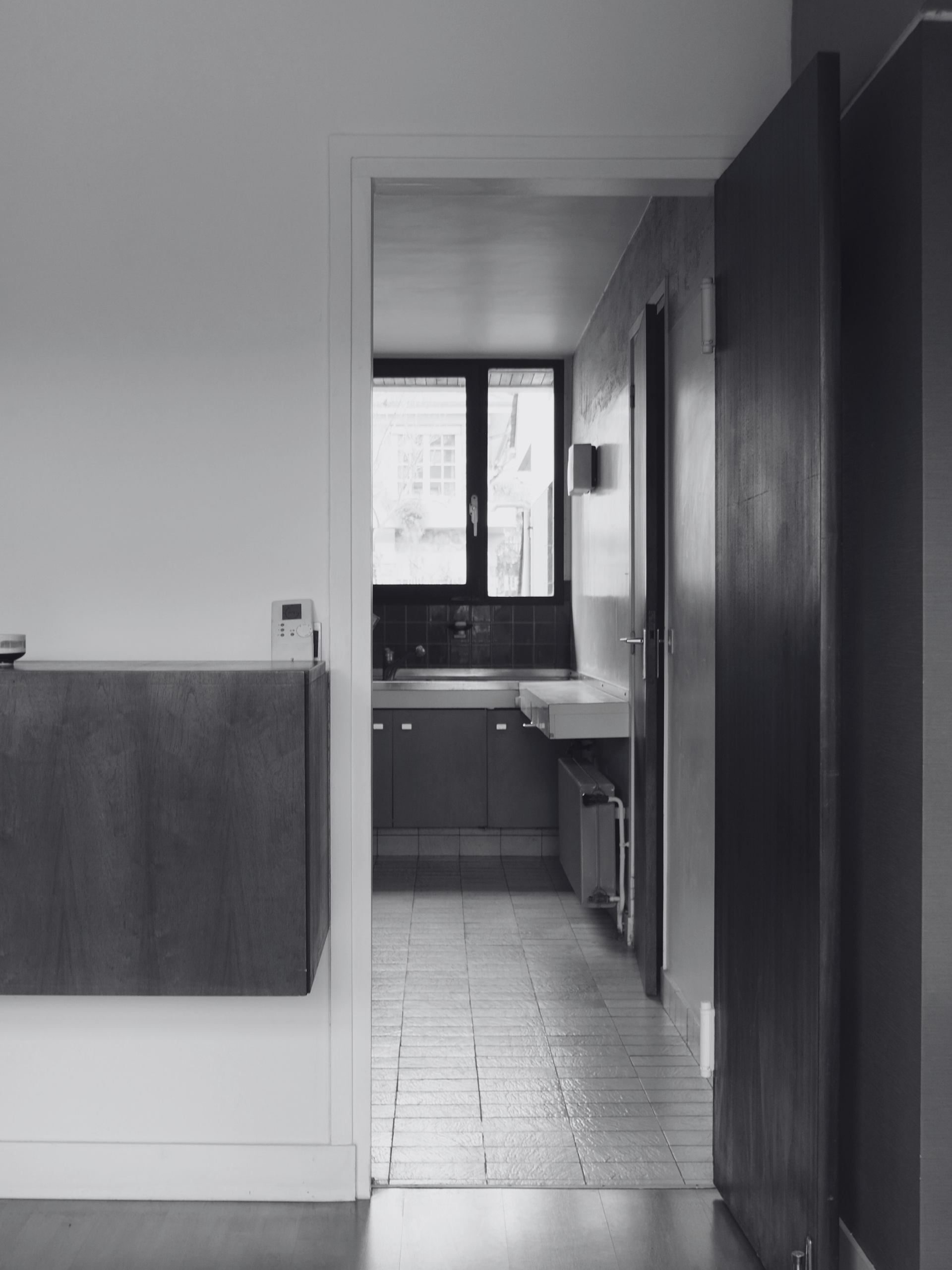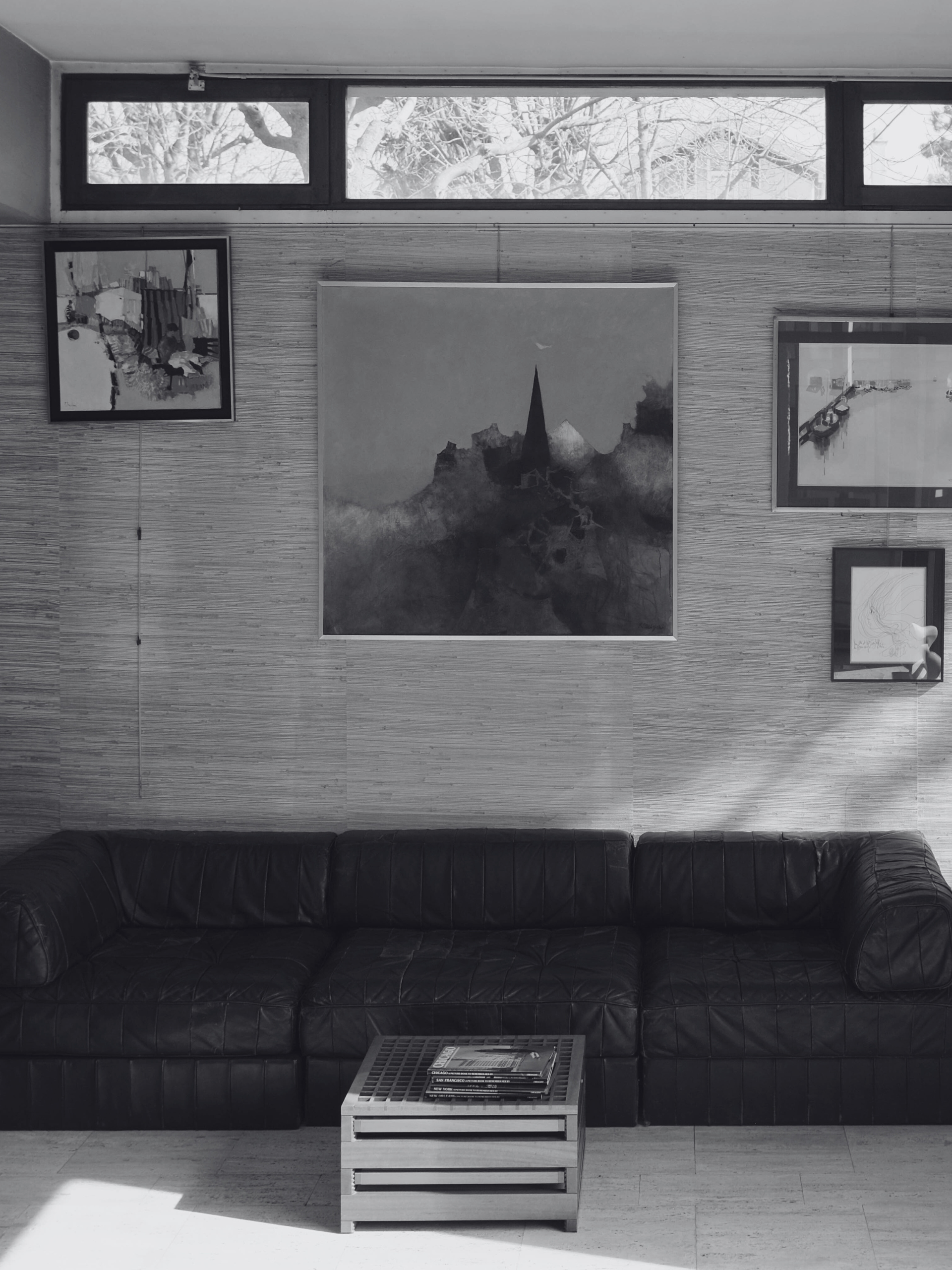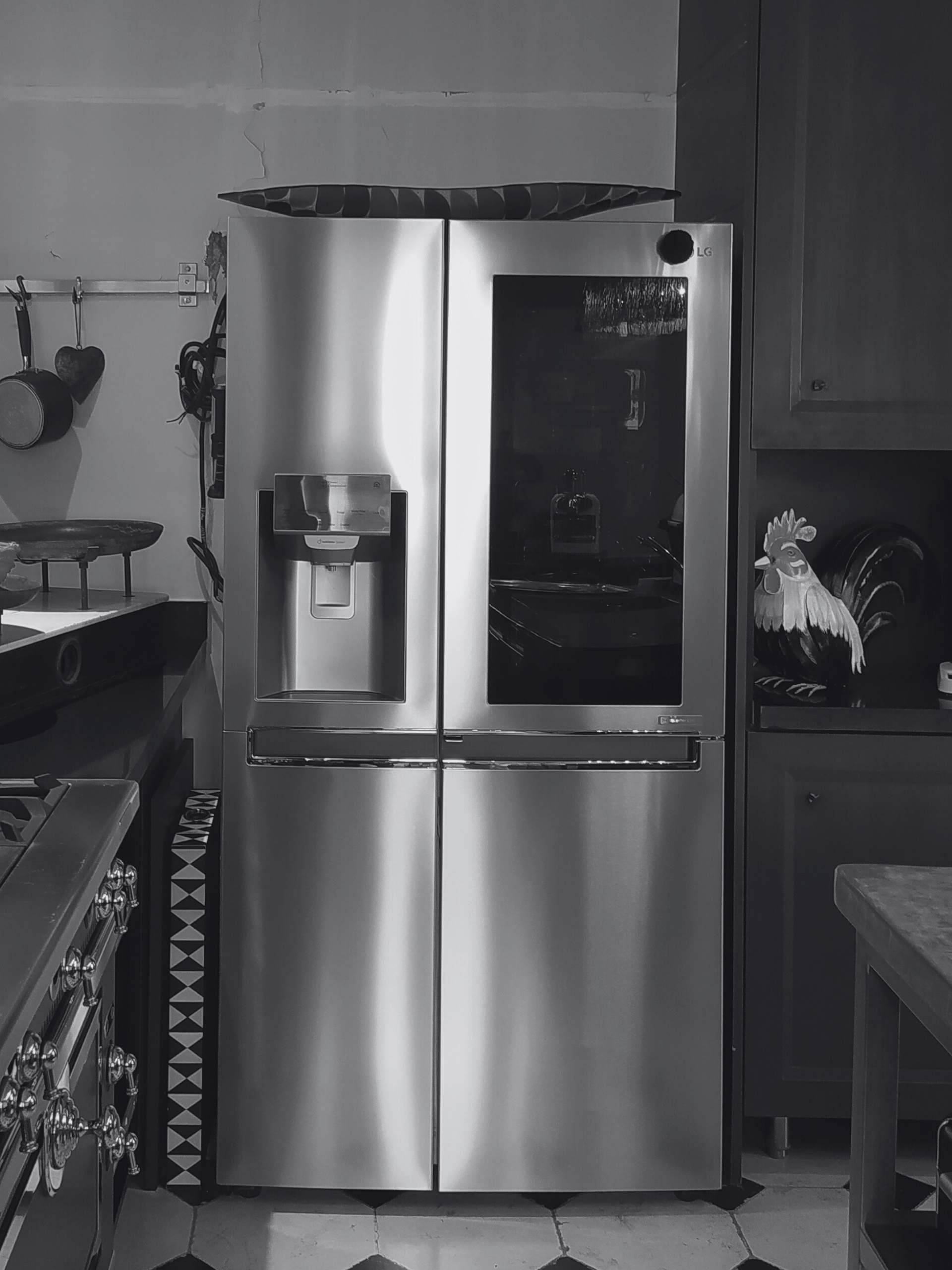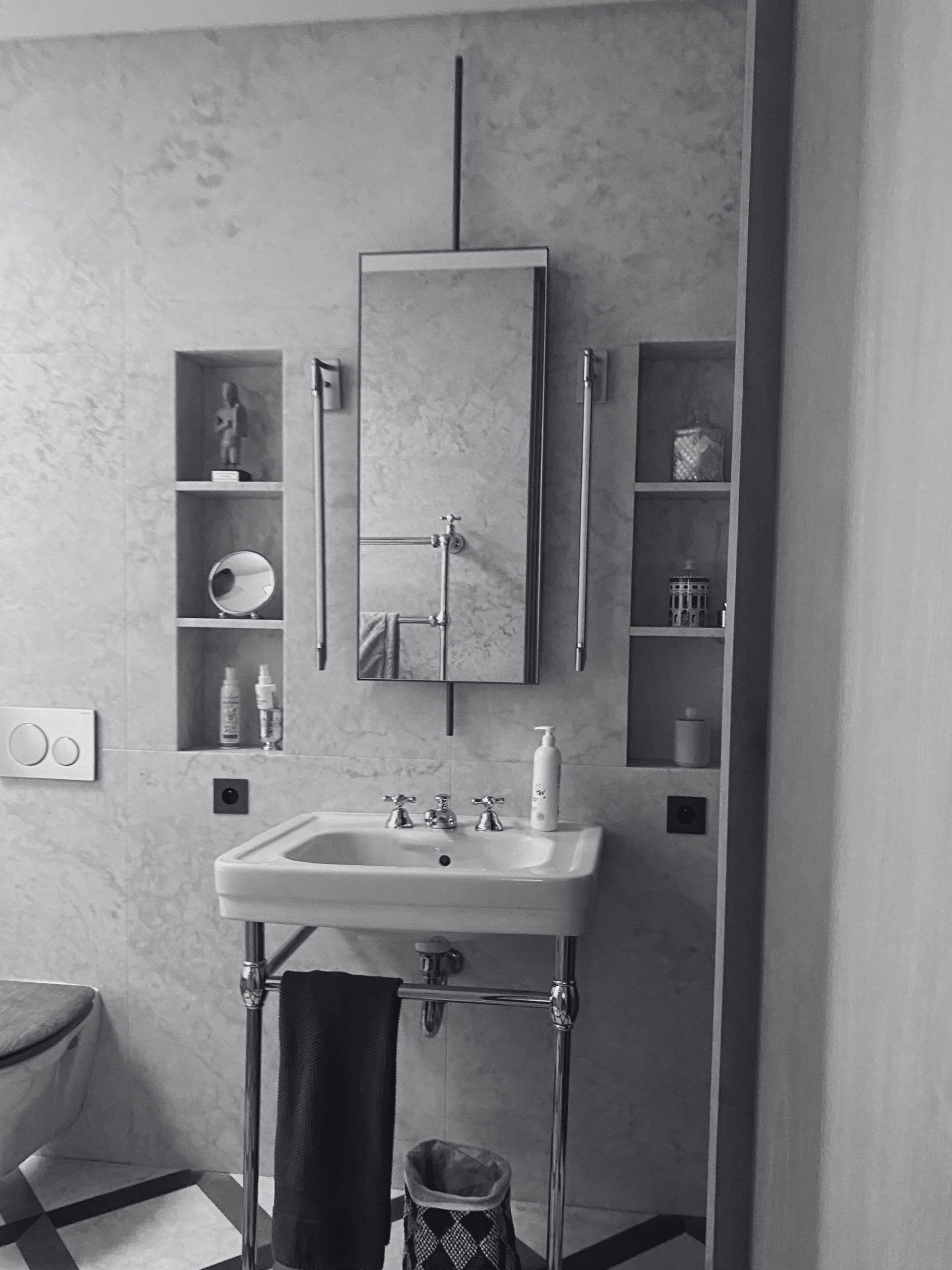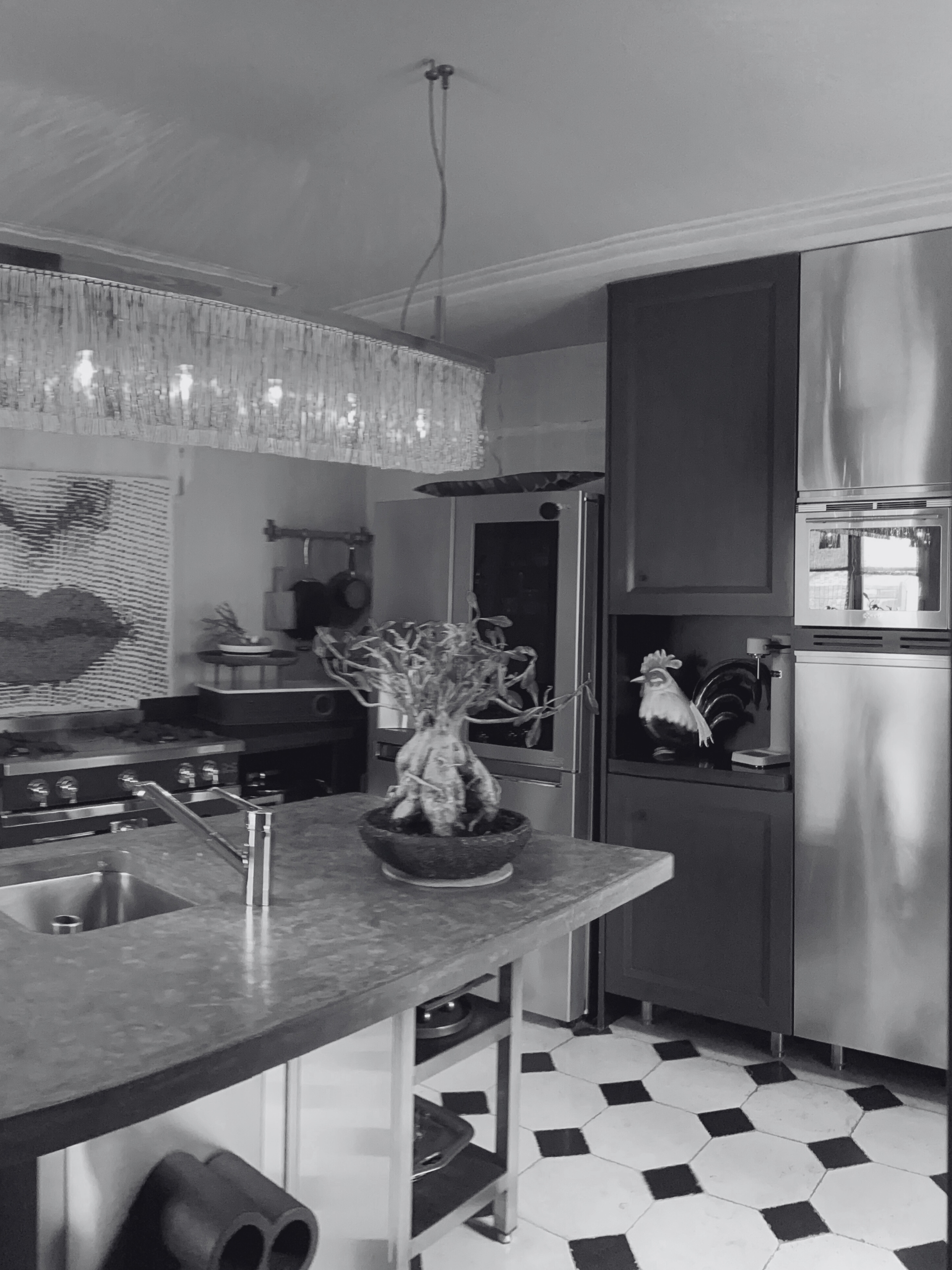
Located in Sceaux, in the inner suburbs of Paris, this architect-designed house has remained intact since 1965, retaining its strong personality and modernist style.

The renovation aimed to preserve its soul while bringing it up to contemporary standards of comfort. A journey orchestrated by our partner architect, Isabelle Heilmann of Épicène.

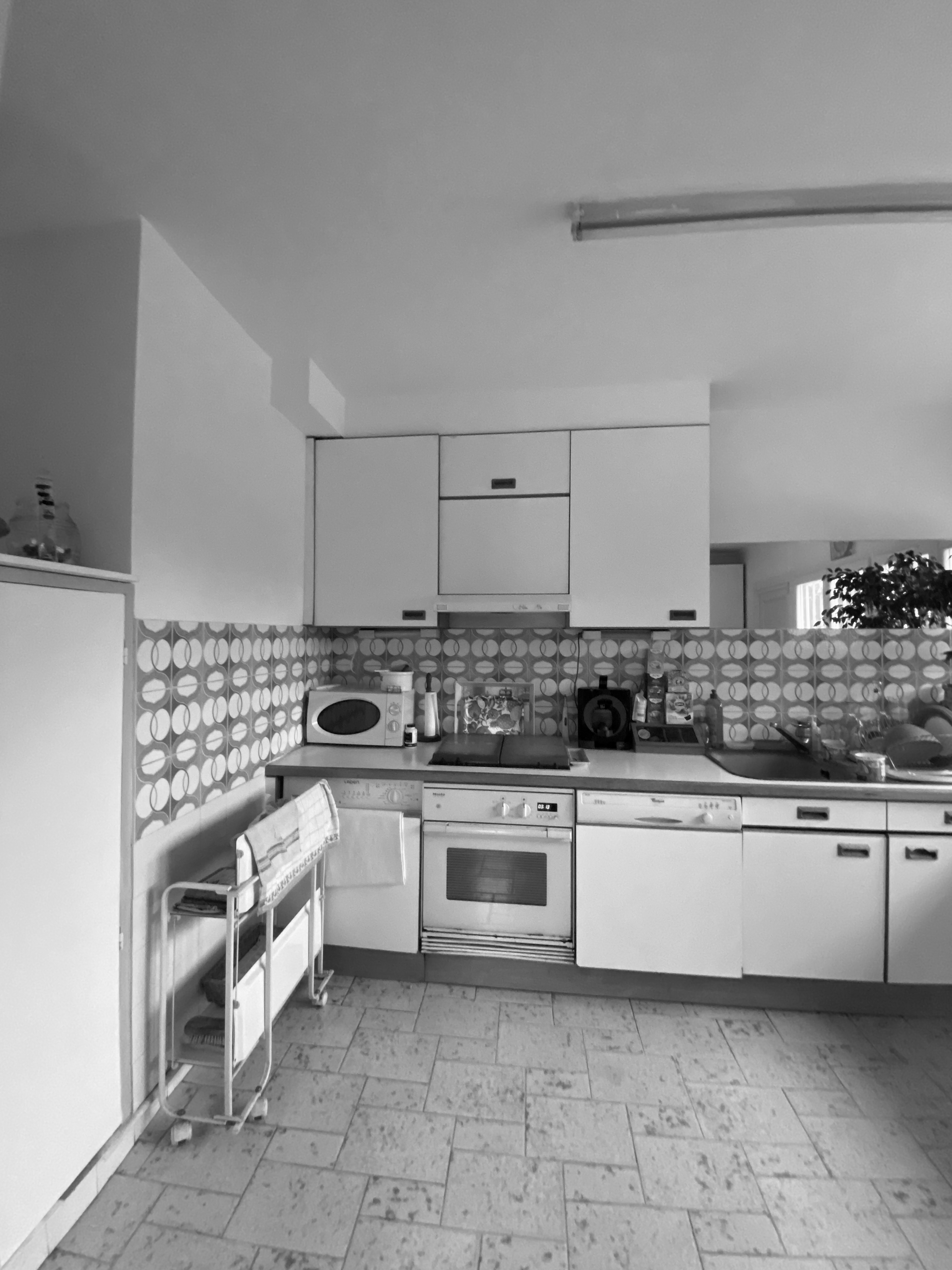
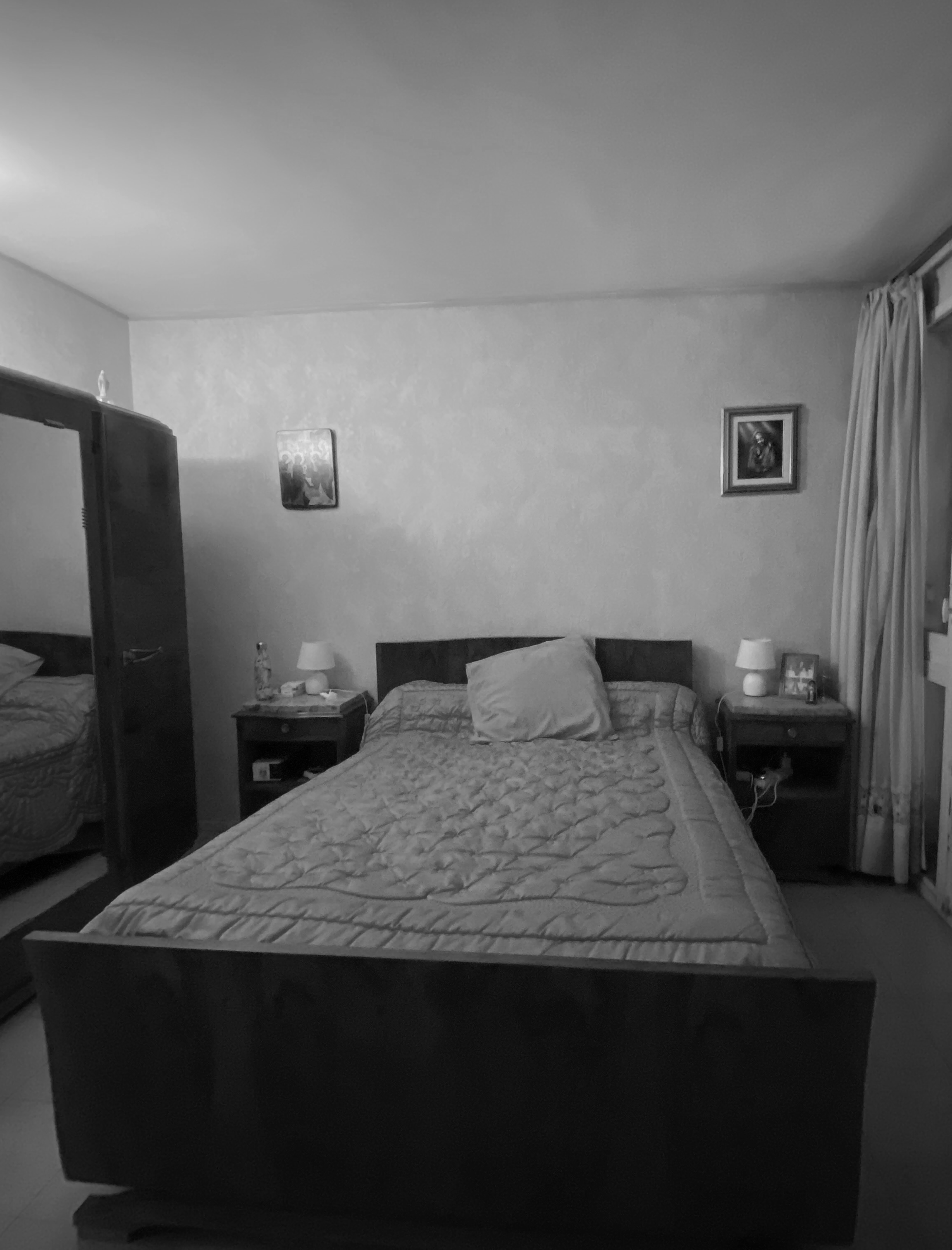
Before …
Objective

Transform spaces by adapting them to contemporary uses, let light shine through, and breathe new life into living areas by opening up the space.
Guidelines

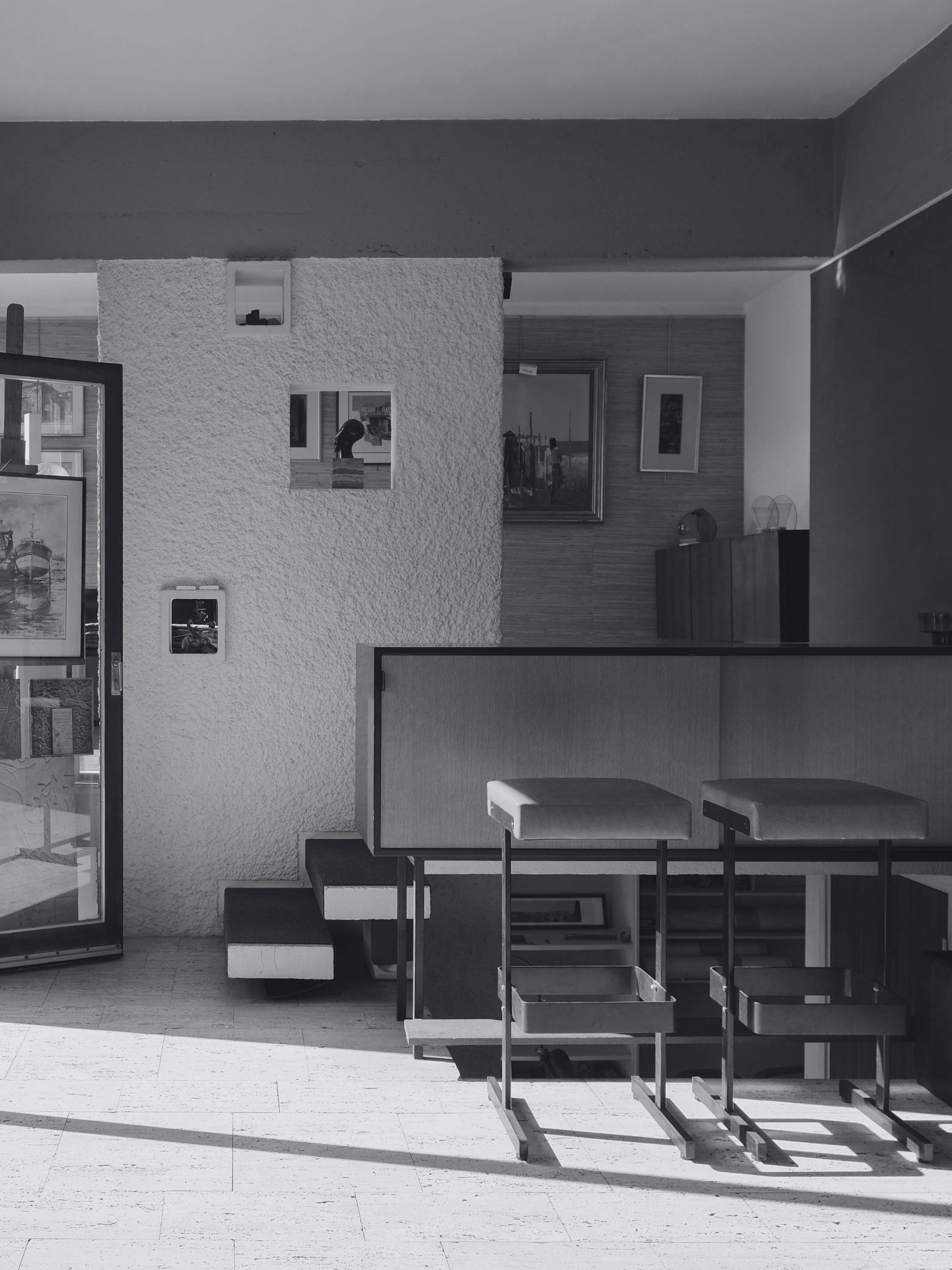
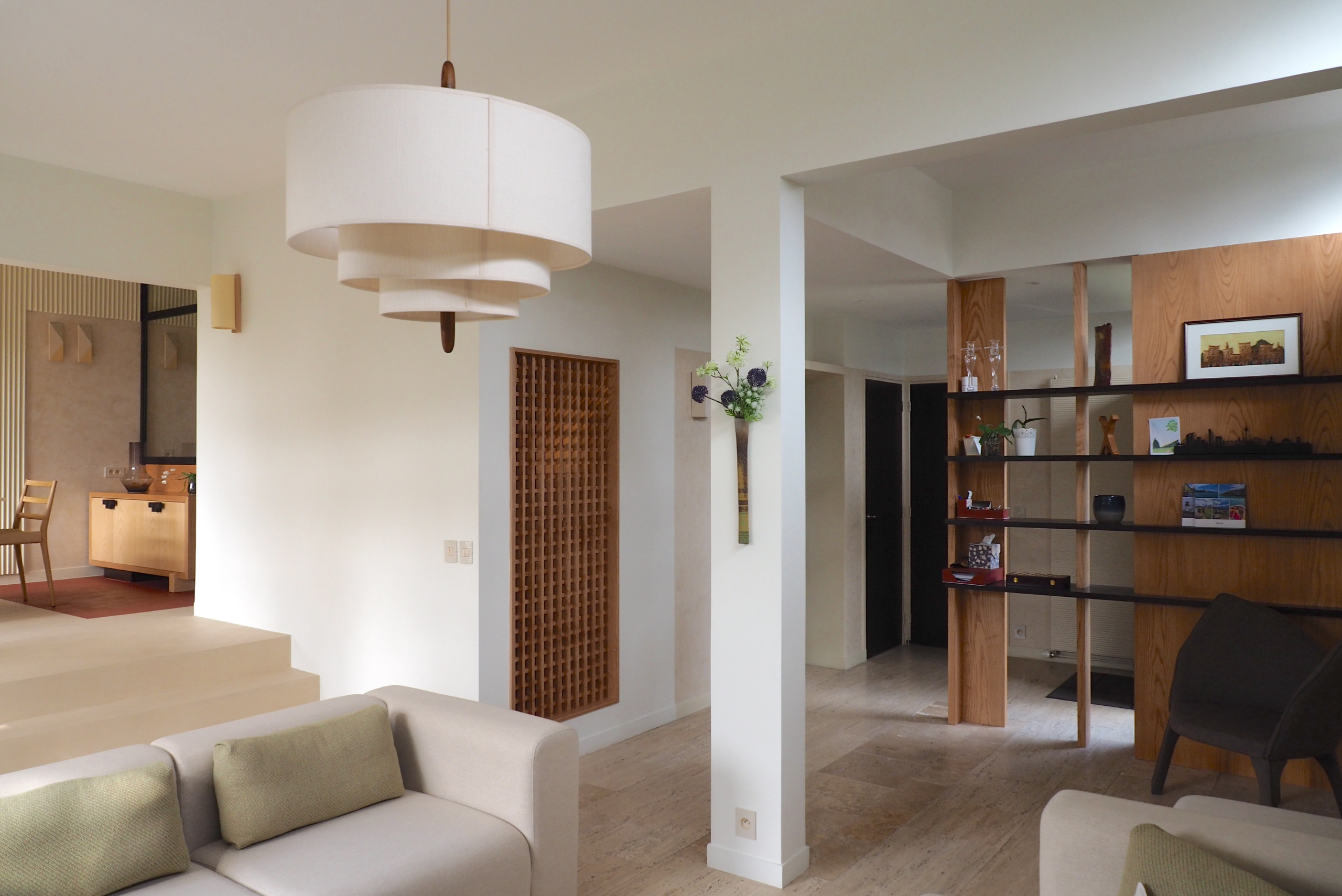
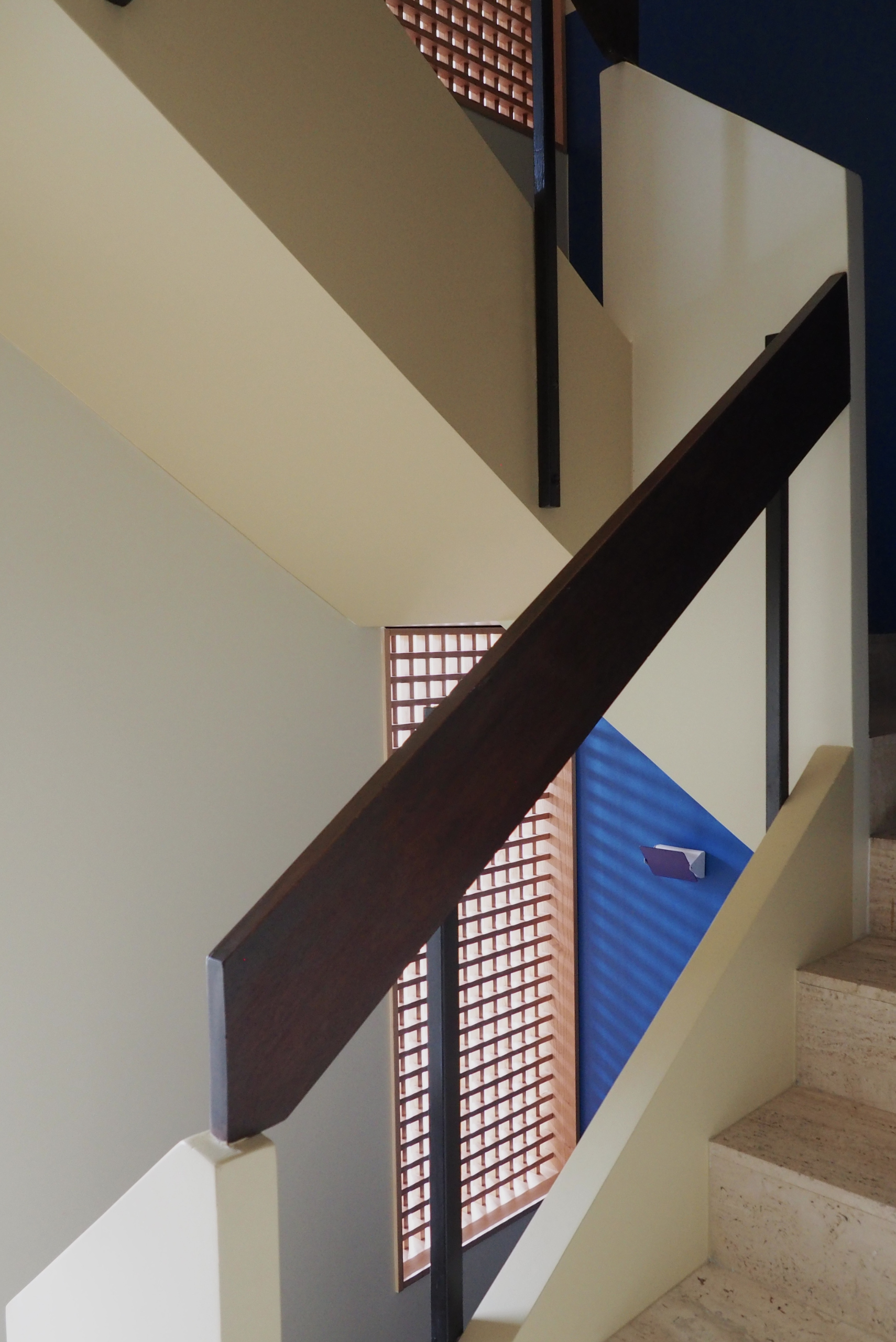
Respecting and enhancing what already existed was the guiding principle behind the project. The modernist lines of the staircase and bay windows, as well as the noble materials, travertine and dark wood, have been preserved and reinterpreted to create a link between past and present.

More dated elements, such as the linoleum flooring, plasterwork, and psychedelic wallpaper, have been replaced.

Implementation

It centered around opening up the ground floor to enlarge the main room and let in more light.

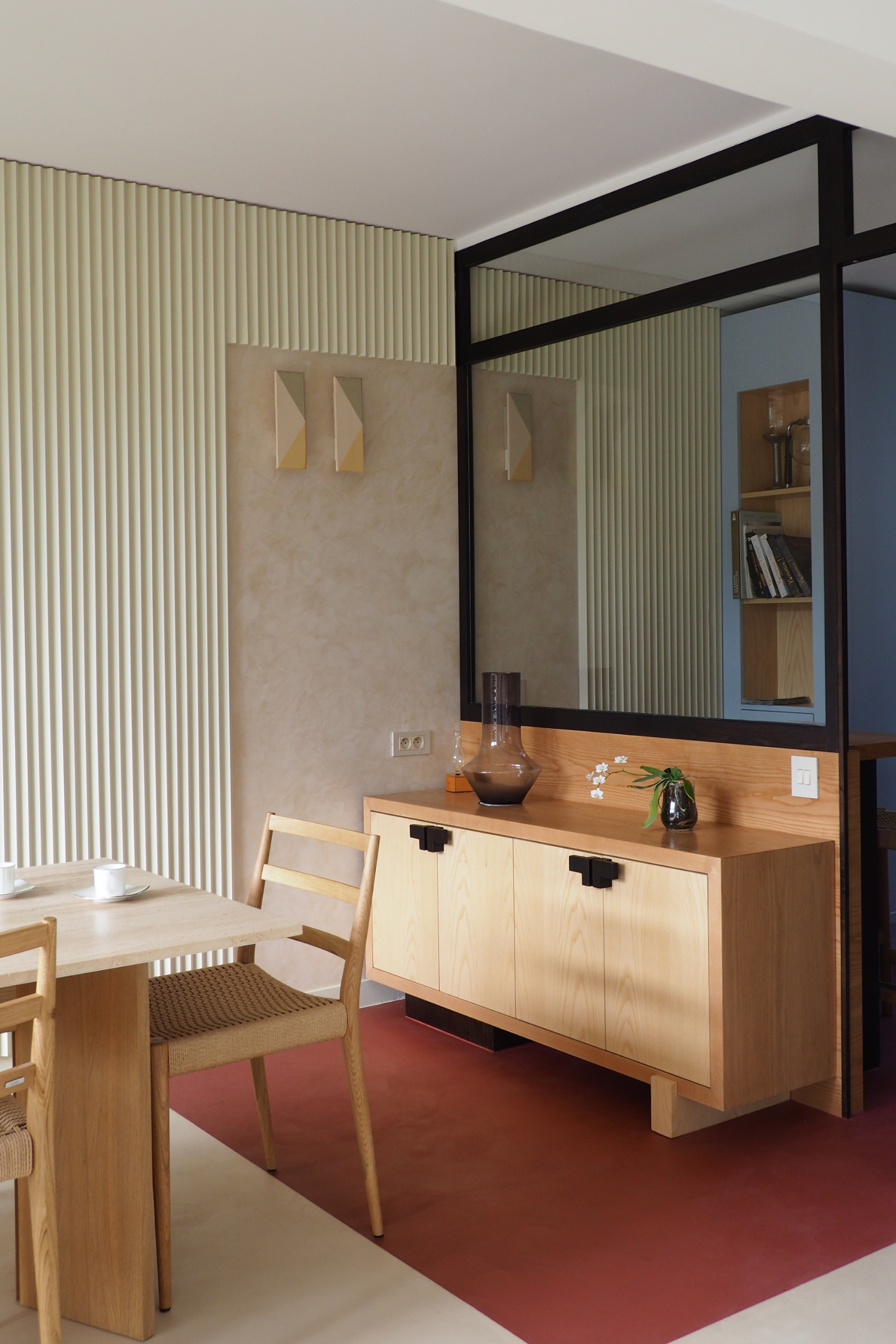
Partitions were removed and replaced with openwork woodwork elements: a bookcase, a screen, and an interior bay window, allowing each space to be identified while maintaining fluidity.

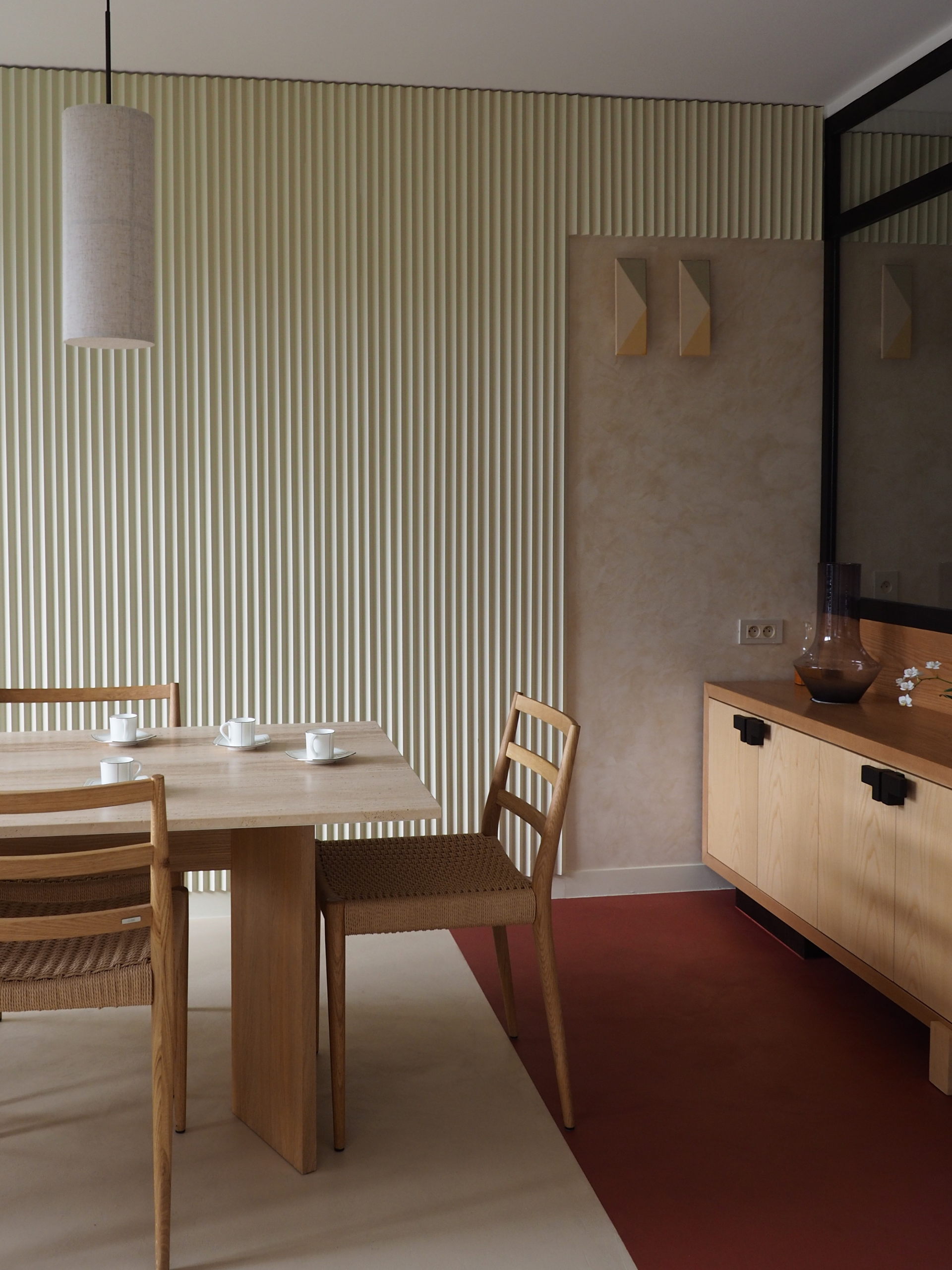
Epicène pursued a warm minimalism by retaining the codes of modernism—clean lines and geometric shapes—enriched with textured materials such as wood, straw, terracotta, lime, and travertine, and colorful touches from the waxed concrete floor to the sky blue kitchen.

Particular attention was paid to the custom-made woodwork, combining different types of wood and material effects in deliberately asymmetrical compositions.

Finally, a complete overhaul of the layout has made it possible to meet the needs of a modern family: creation of a 25 m² master suite, enlargement of the children’s bedrooms, conversion of the former office into a games and TV room, and conversion of the attic space into storage, an office, and a sewing workshop.
A redesigned setting, bright and full of substance!
LE QUARTIER

Asnières-sur-Seine

Bordering the left bank side of the river, the town of Asnières-sur-Seine is located in the northwest suburbs of the capital, thus benefiting from a strategic location.
  • Crédits photosÉpicène
  • SHARE

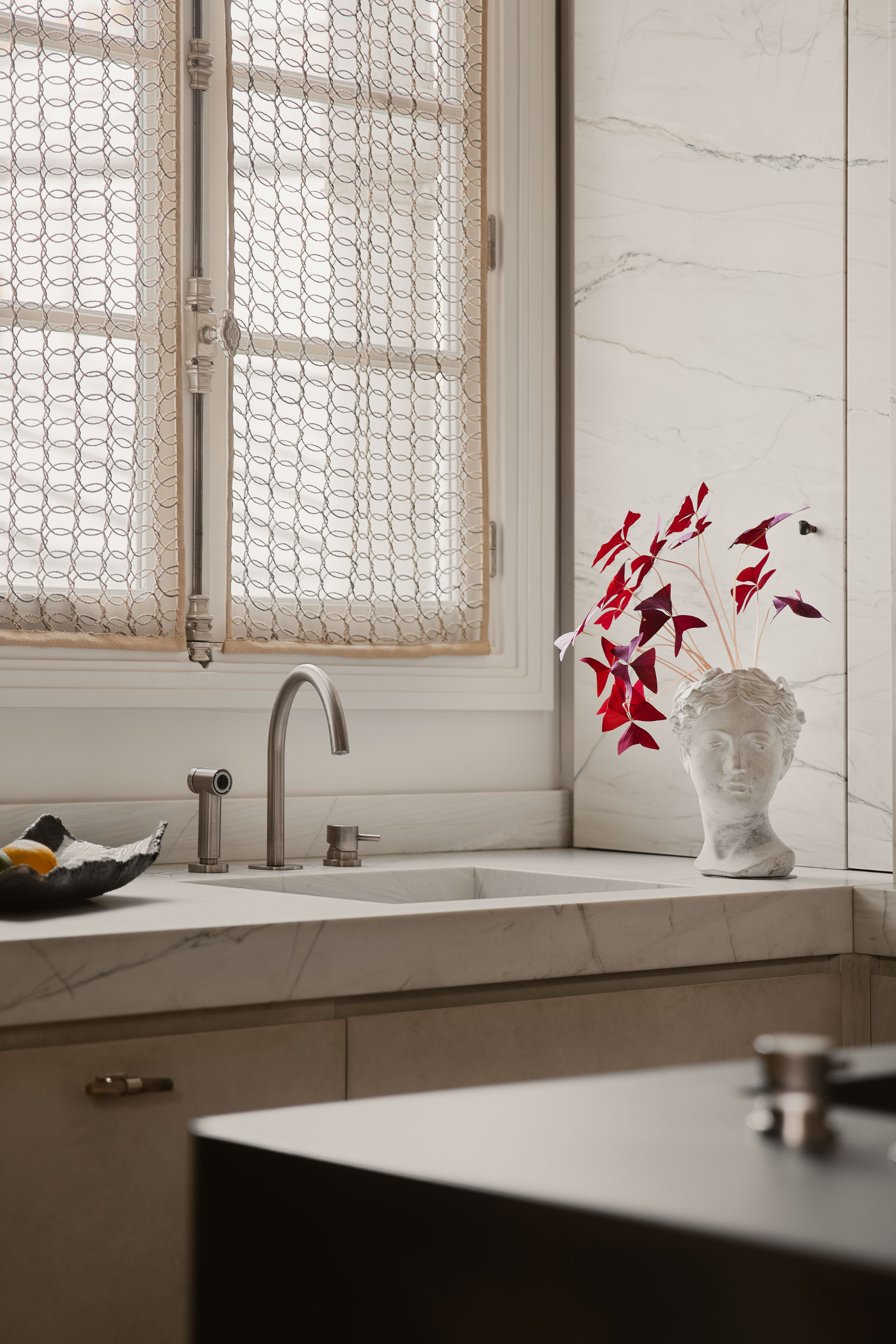
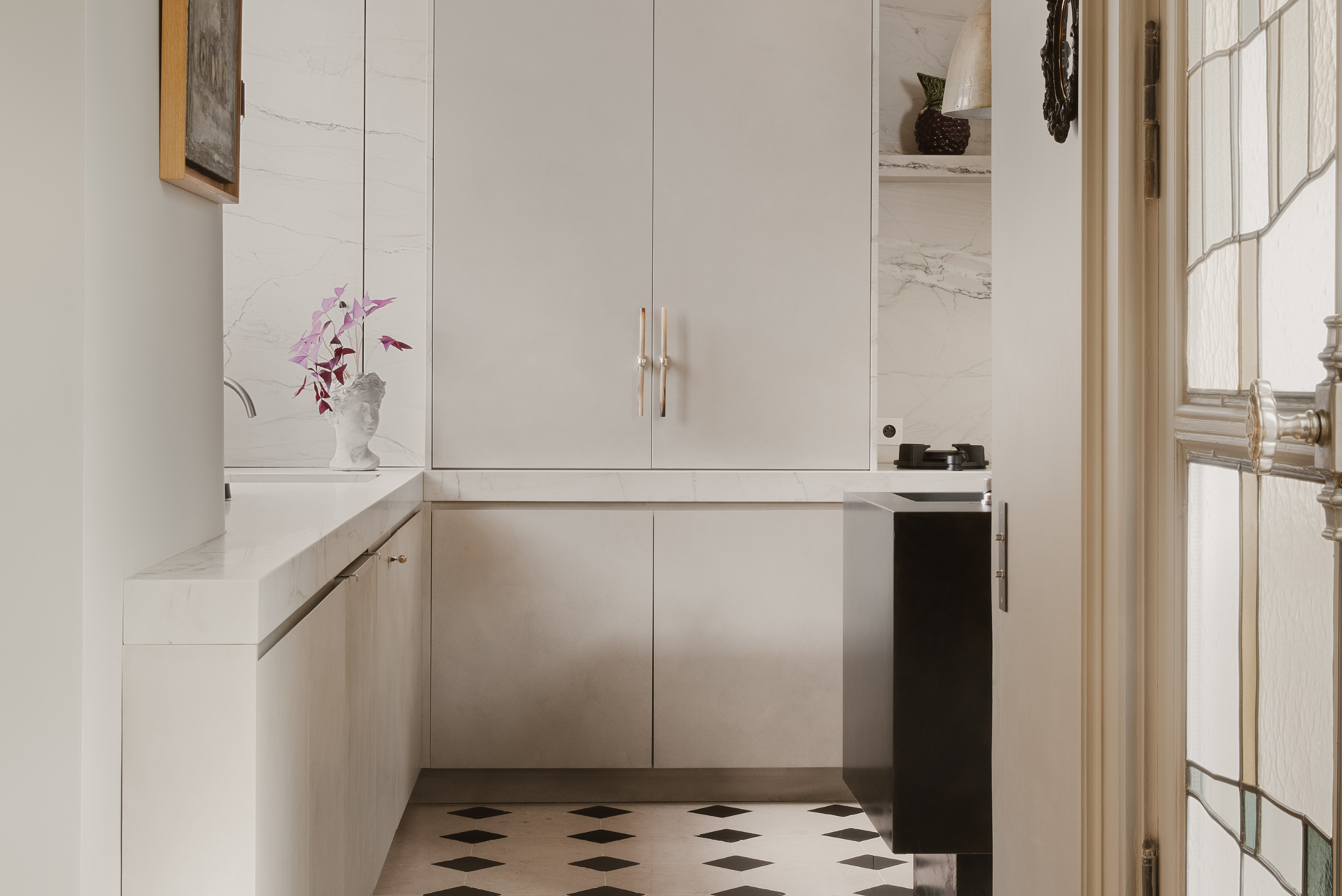
Located in the heart of the Élysée district, this apartment has been elegantly renovated by our partner interior design firm ABL.
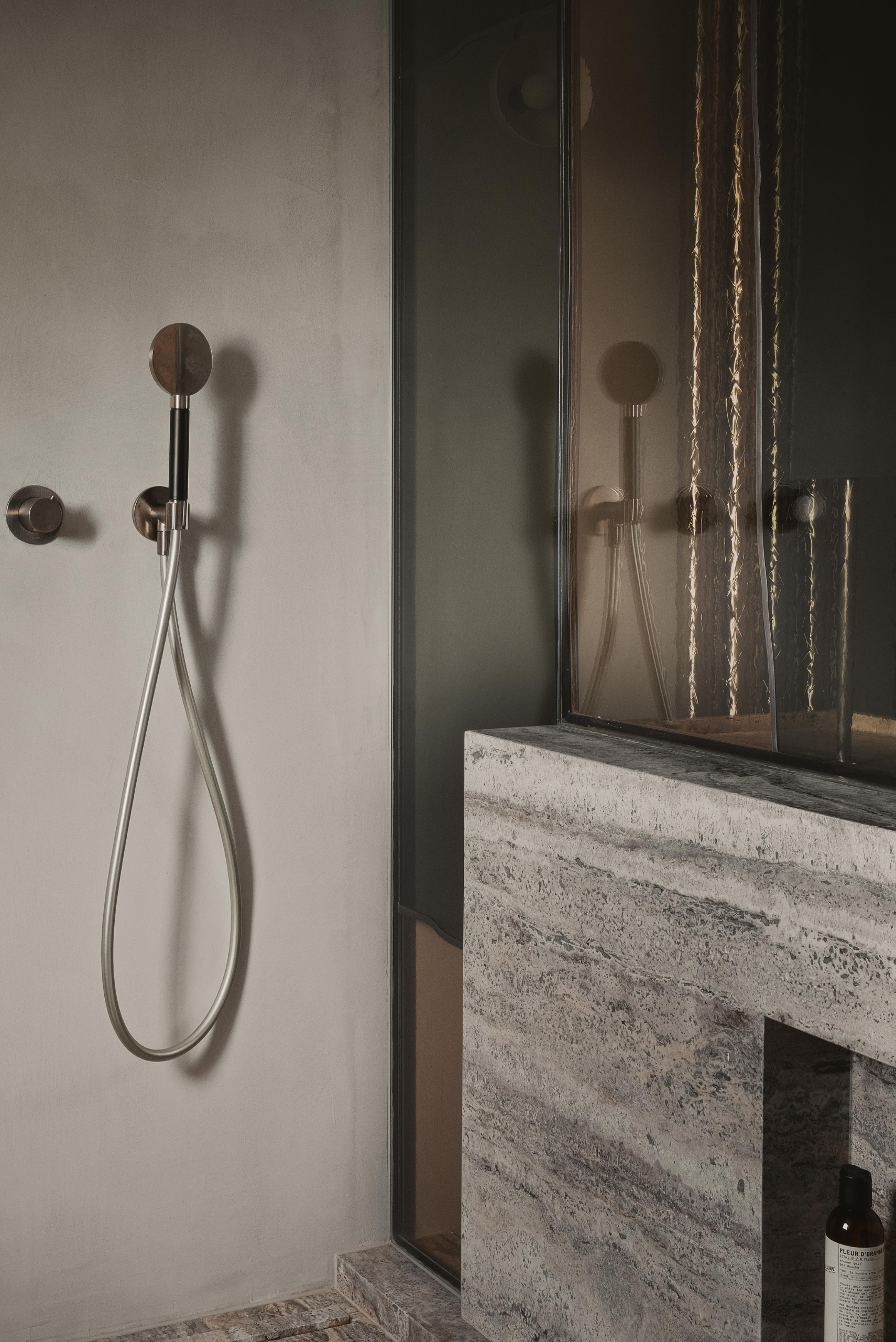
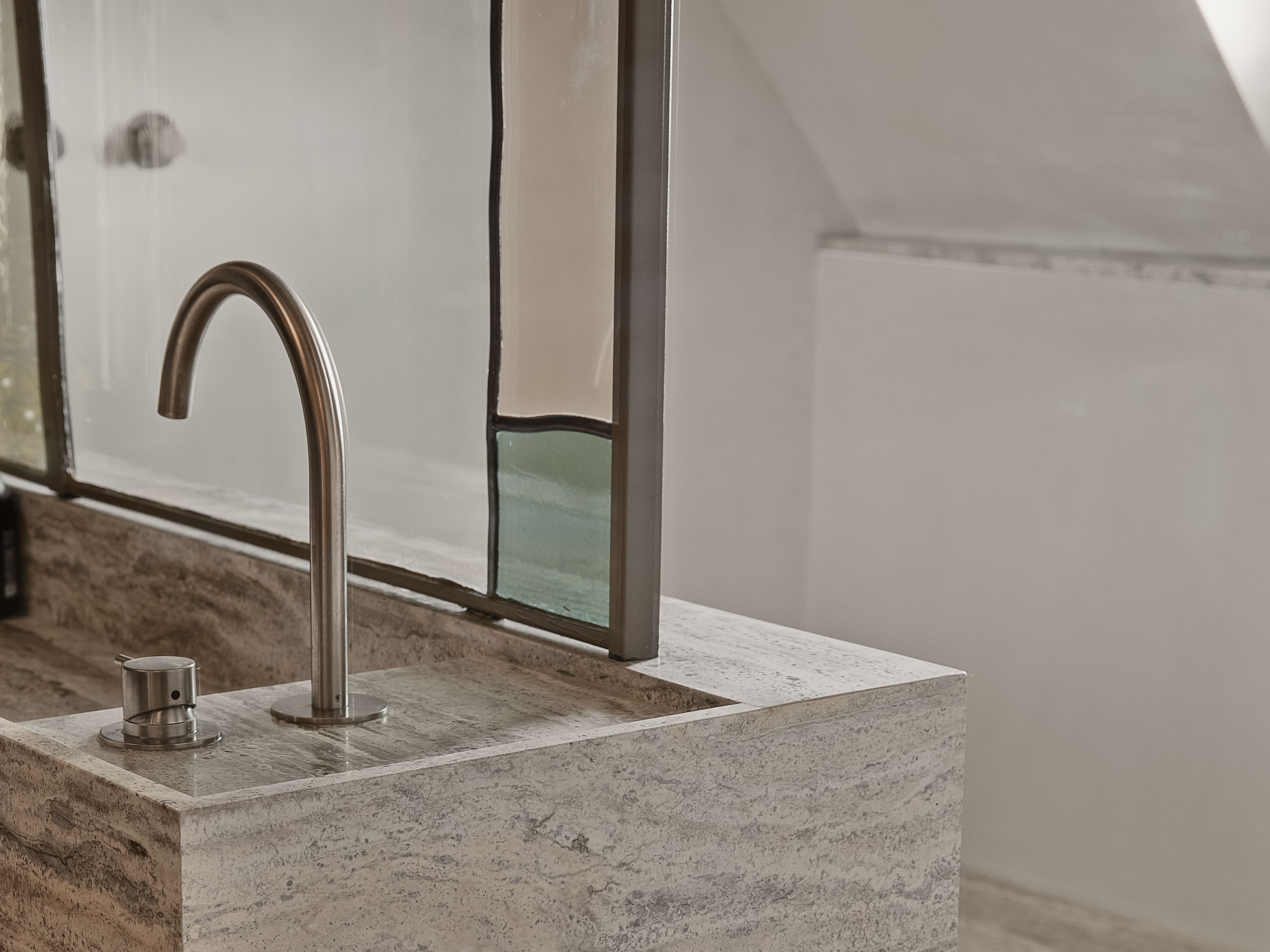
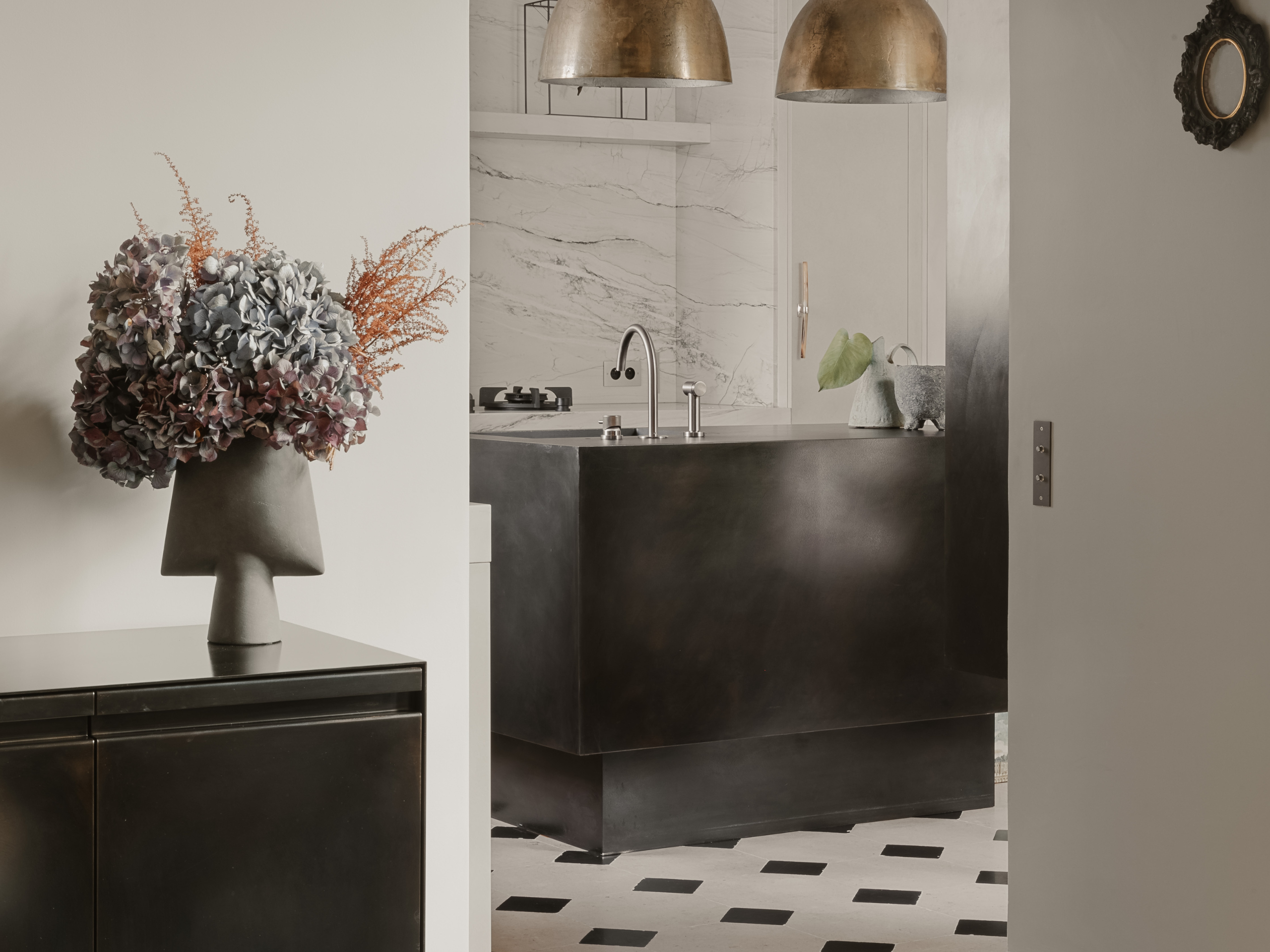
The work focused on the kitchen and bathroom, restoring fluidity, light, and coherence to this two-level Parisian apartment.

Before …

Objective

Bring a breath of fresh air and let in more light, through balanced contrasts between natural materials and raw textures, in a palette of muted shades.

Guidelines

A project conceived as a delicate gesture, carried out by skilled craftsmen and an interior designer capable of revealing the material and finesse of each assembly.

Implementation

Preserve the historic character, particularly the cabochon flooring and ceiling moldings in the kitchen.

Reclaim the lost attic space in the dressing room and bathroom to optimize volume.
Play with bold contrasts between design elements: cream-white kitchen, mineral paint, natural stone, and raw steel island.

In the bathroom, bring natural light into the shower and create a dialogue between silver travertine and custom stained glass.

A vibrant duplex, shaped by matter and light.

LE QUARTIER

Madeleine I Élysée

The famous Madeleine district, in the heart of the 8th arrondissement, symbolizes the French way of life.
  • Crédits photosABL
  • SHARE

Remarkable architecture from the 1960s, this Californian villa is at the heart of a modernist project that has been awarded the “Patrimoine du XXème” label, on its 800 m2 plot in a wooded park at the gateway to the Calanques. A project with character designed by the Marion Bernard architectural firm.

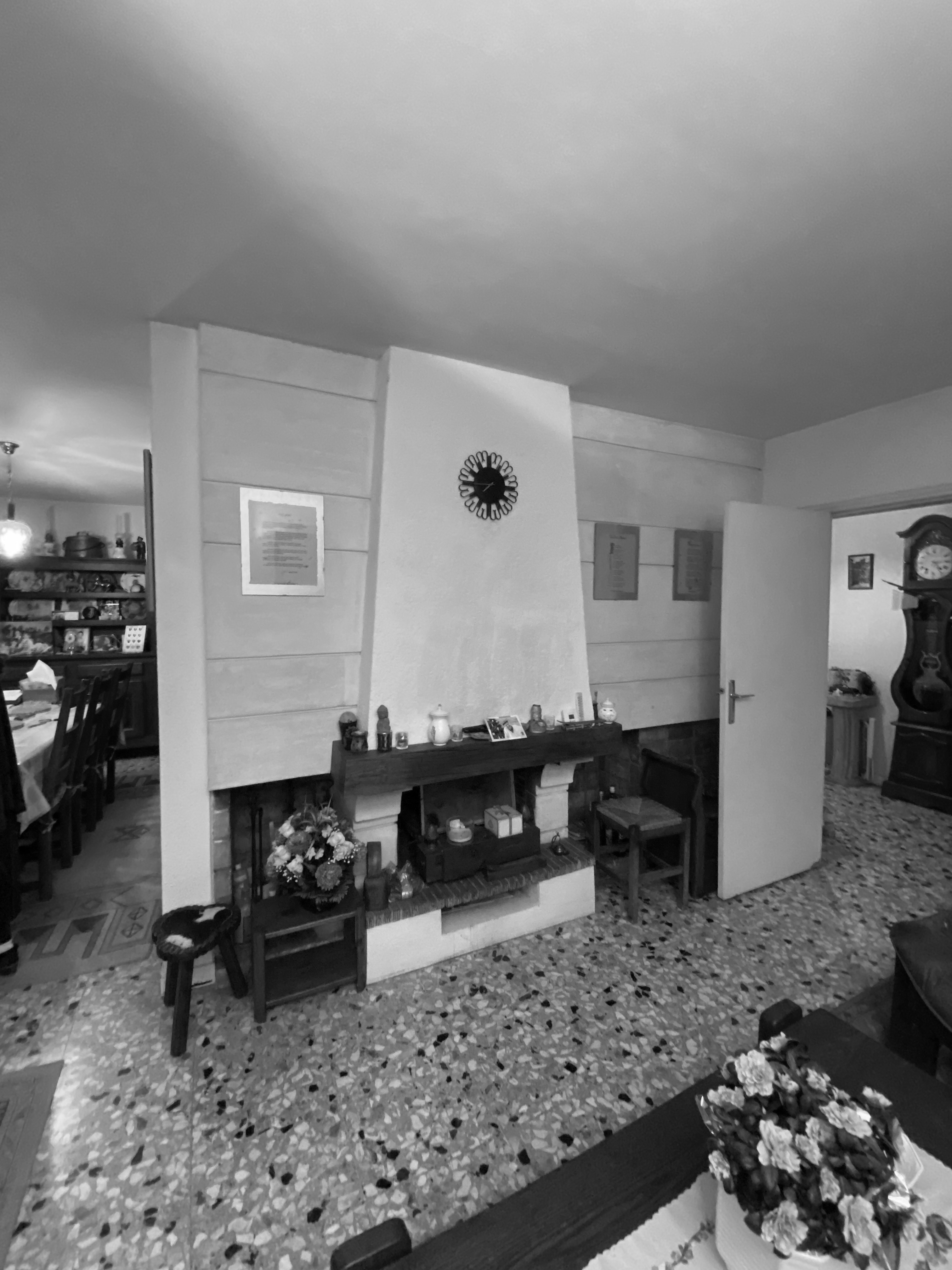
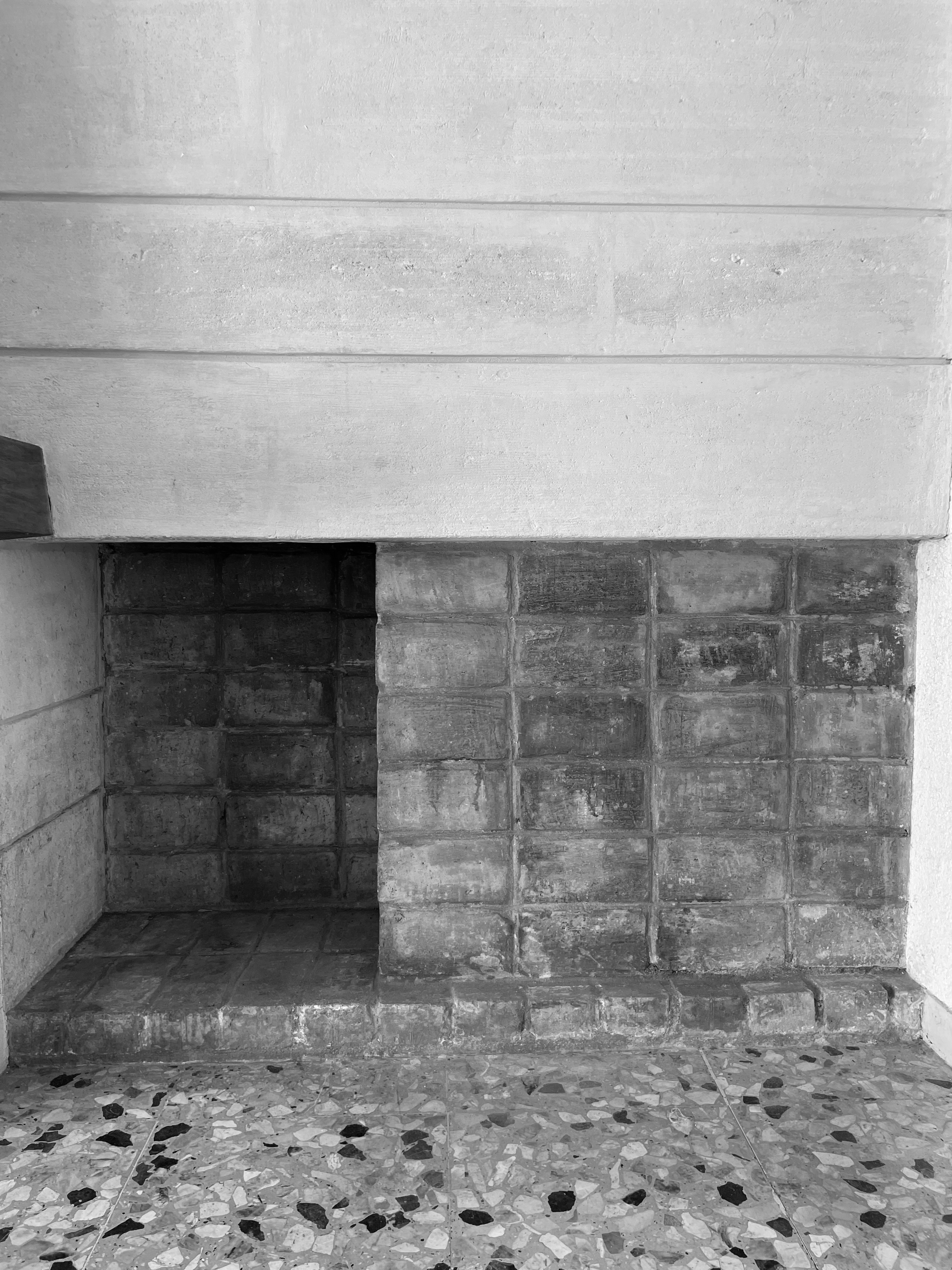
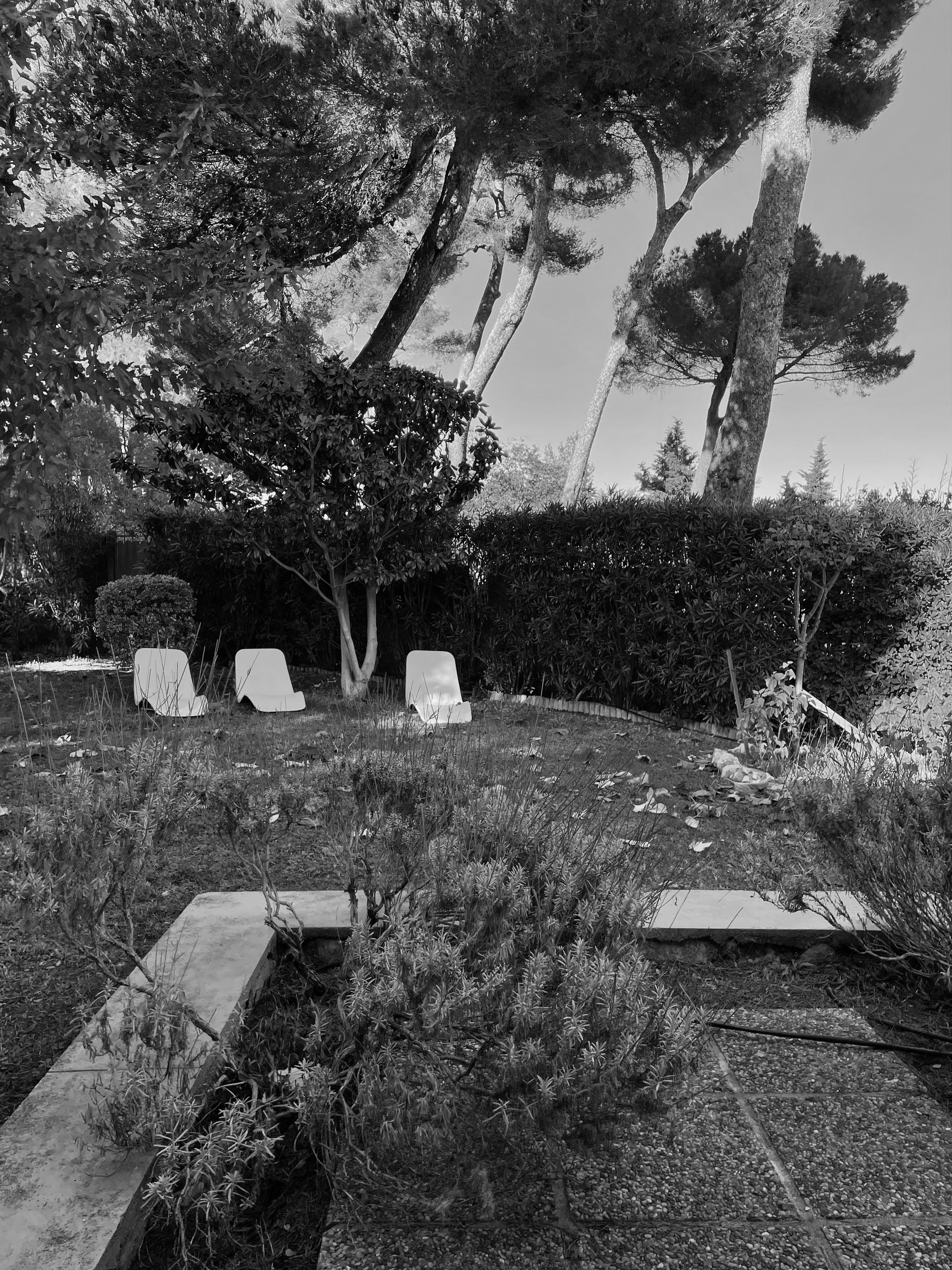
Before …

Target

Preserve the soul of this single-storey Californian villa, while renovating and enlarging it to adapt it to contemporary uses. Enhance its emblematic architecture and strengthen its link with the surrounding countryside.

Course of action

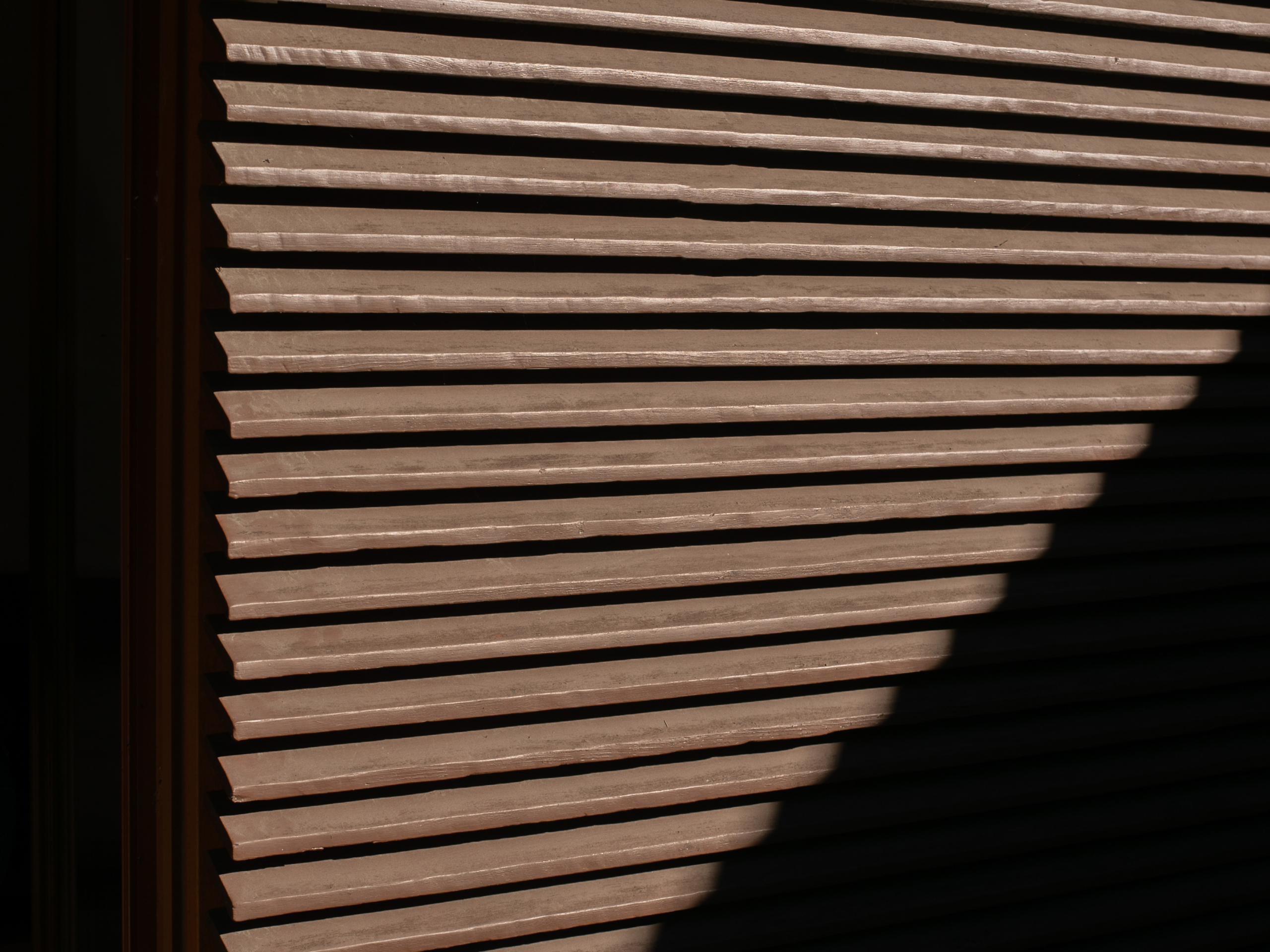
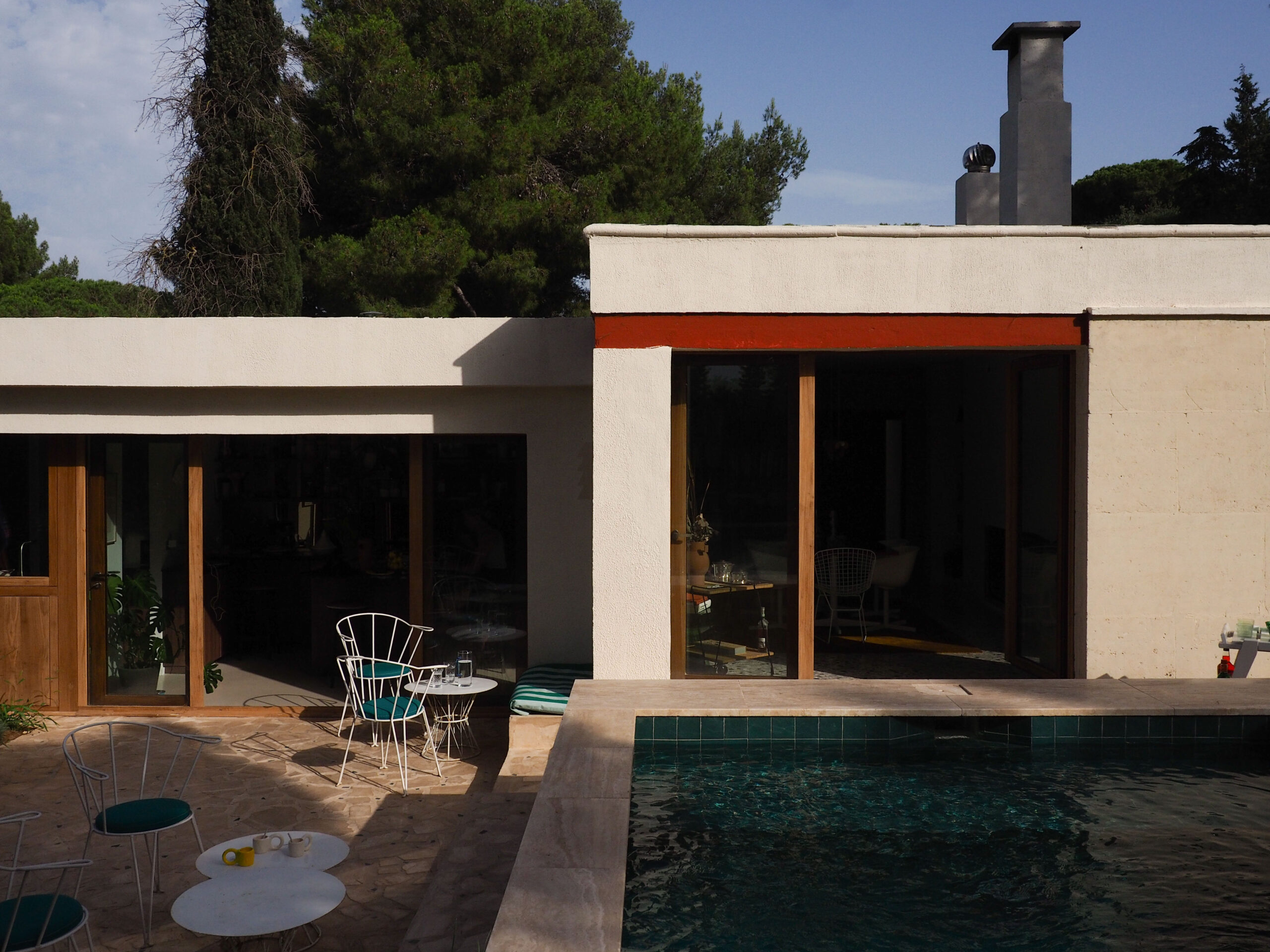
The renovation was carried out with a view to preserving the original architectural features, while adding modernity and comfort. The Fontvieille stone and hollow brick facade, sliding wooden shutters and low stone walls were carefully restored. Inside, the horizontal fireplace in brick and Cassis stone and the large terrazzo floor have been restored to their former glory.

Achievement

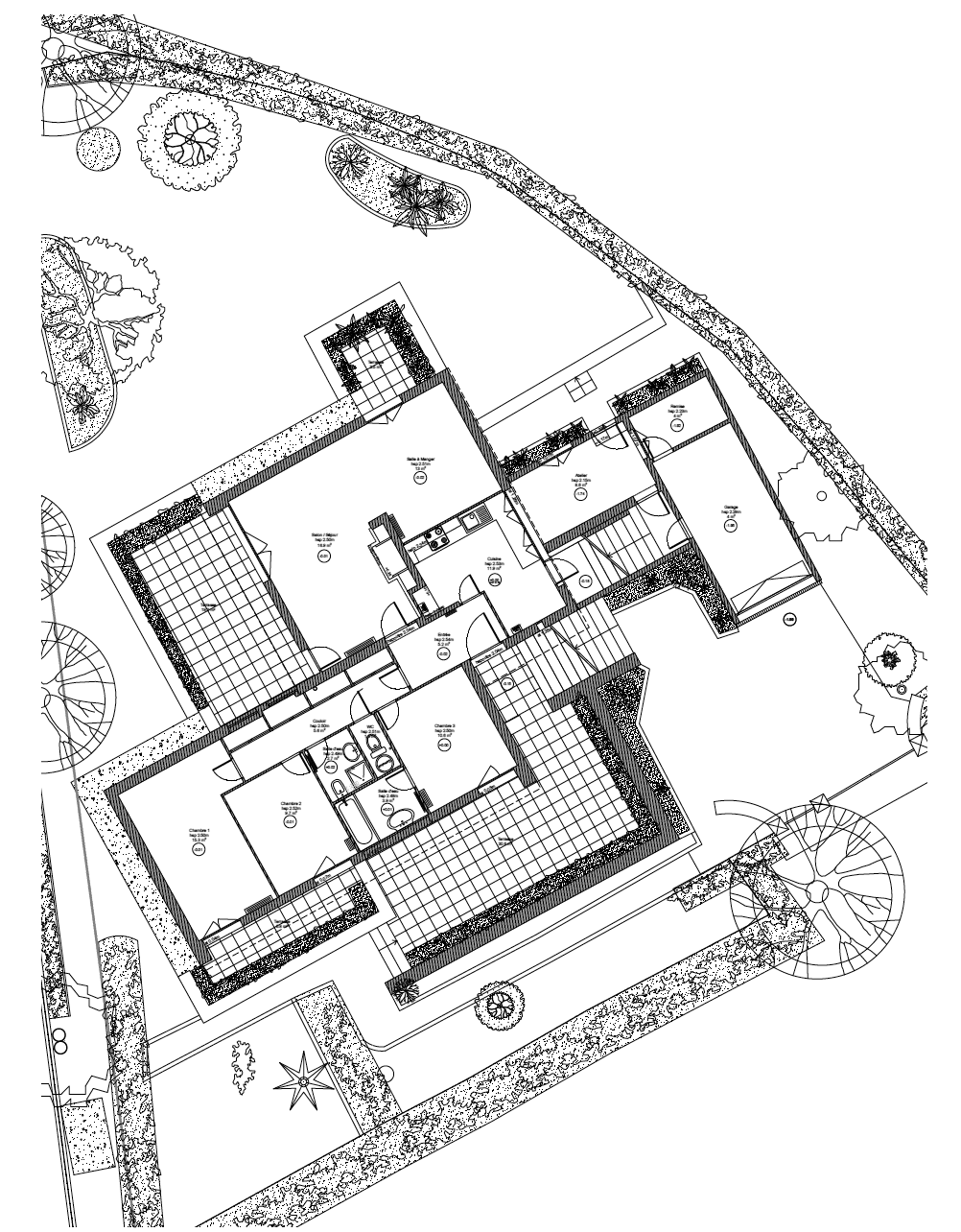
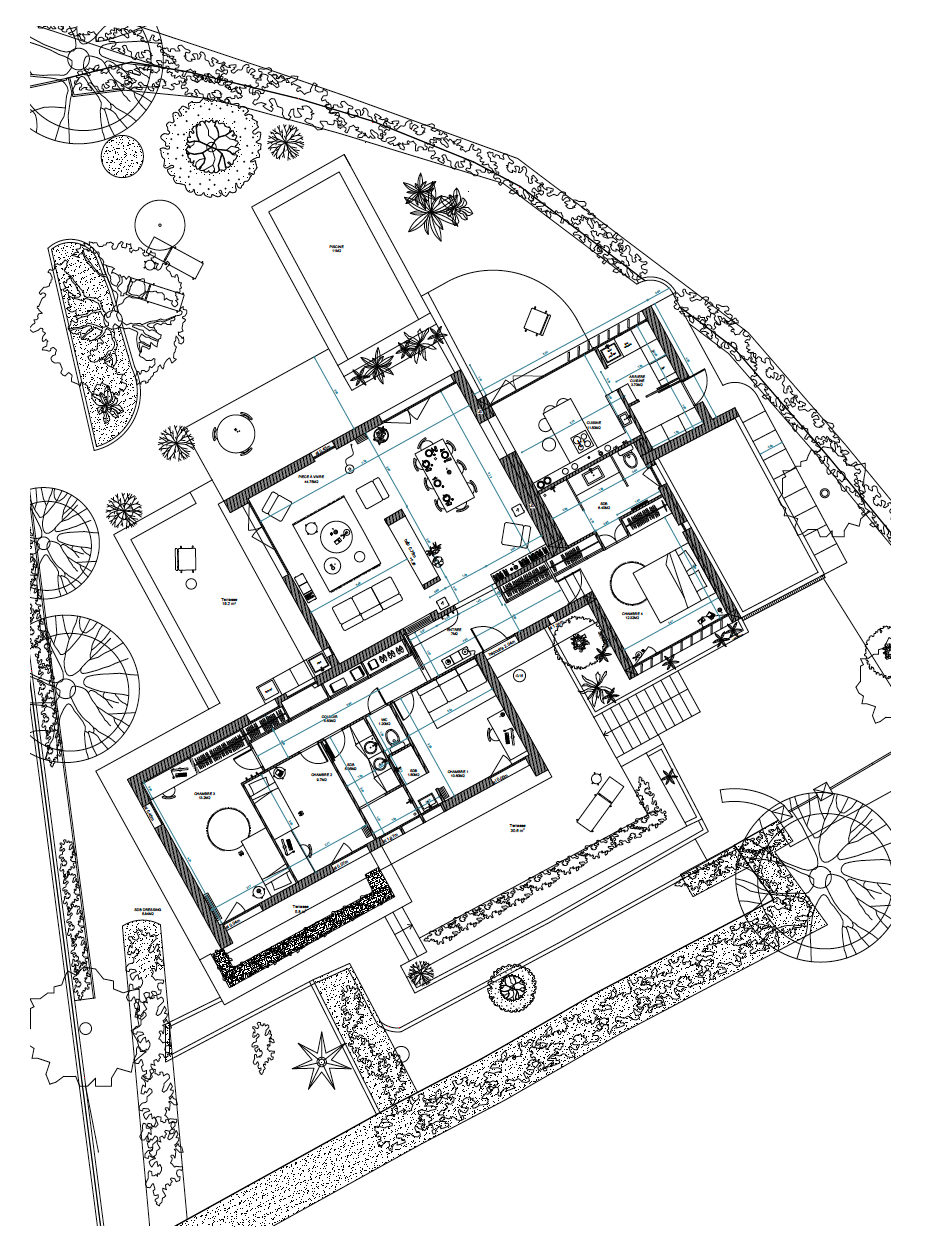
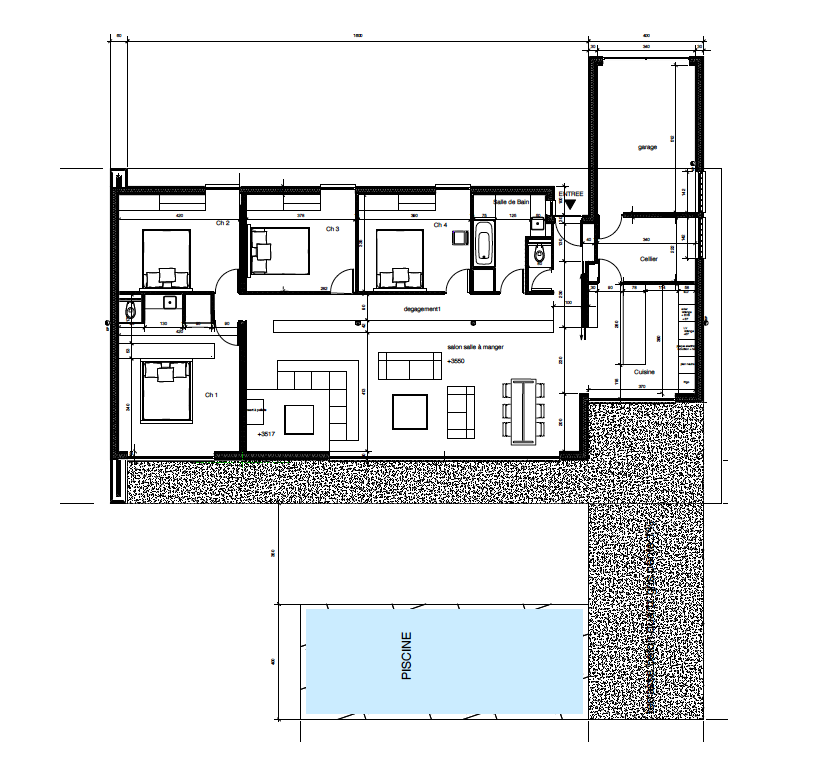
On the south side, the sleeping quarters are distributed on either side of the entrance hall by a corridor punctuated by typical 60s storage units.

To the north-west, the living areas are arranged in a row along the terraces, one of which is extended by a swimming pool in the shade of tall umbrella pines. Each extension of the house has been designed as a continuity towards the outside, with terraces allowing you to take full advantage of the surrounding nature. The living room, dining room and kitchen all open out onto the landscape, allowing for total immersion in the natural environment.


Partner brands :

Micro terrazzo and terrazzo: Var Ponçage
Tiles: Carré Créatif
Sanitary equipment: Richardson / Trone
Brazilian quartzite worktops: Granit & Marbre Gambini
Woodwork: Rabot
Furniture and artwork: Axel Chay / Relax Factory / Pièce a part / Francois Bazin / Architectureceramique / Archik
Paint: Ressource Peintures
Bed linen: La Serviette Paris
Handles: Frederic Pellenq
Travertine: Talka

Original plans & project

Modernist architecture immersed in nature, close to sea and hills

  • Crédits photosJulie Fleutot
  • SHARE

Depuis 1985, Maurice Padovani exerce comme architecte d’intérieur à Marseille, où il a construit une pratique qui traverse aussi bien la sphère professionnelle que le monde privé. Il a longtemps conçu des espaces pour des bureaux, des restaurants et des commerces, avant d’élargir son travail aux appartements et maisons particulières.

Interrogé sur ses matériaux de prédilection, il se refuse à en désigner un seul : s’il a une affection particulière pour le béton et le bois de cèdre, il considère que chaque matériau trouve sa place selon l’effet qu’il produit dans l’espace.

Maurice Padovani

Marseillais, Maurice Padovani situe l’origine de sa sensibilité architecturale dans une visite d’enfance à l’Unité d’habitation de Le Corbusier — un souvenir qui, dit-il, a inconsciemment marqué son rapport à l’espace bien avant qu’il n’en fasse son métier. Il a d’abord passé près de dix ans dans l’Éducation nationale, un parcours assez éloigné du design, avant de bifurquer : une envie de créer une ligne de mobilier avec un ami, puis une commande inattendue pour concevoir une boutique en franchise, ont constitué son véritable point d’entrée dans l’aménagement d’espace. Depuis, il n’a plus quitté ce domaine.

Il dirige aujourd’hui son agence d’architecture intérieure à Marseille, où il continue à accompagner aussi bien des particuliers que des professionnels dans leurs projets d’aménagement.

Dans le prolongement, la suite parentale s’ouvre sur une vue arborée aux tonalités bleutées, comme suspendue entre ciel et végétation.

À l’opposé, prolongeant l’écriture épurée de la maison, l’espace nuit accueille trois grandes chambres, chacune bénéficiant d’un accès direct au jardin opposé. Elles partagent une salle de bain entièrement blanche.